

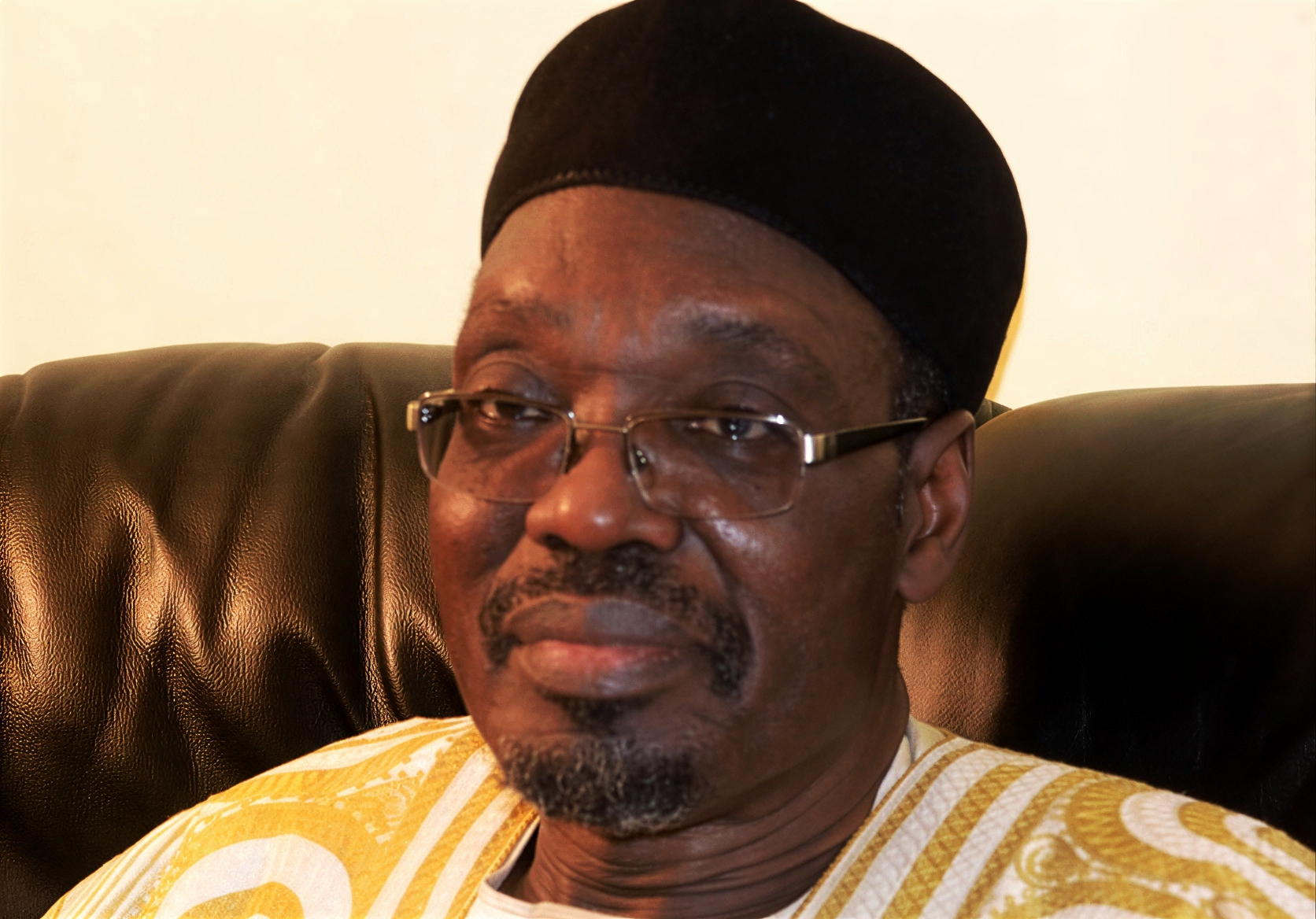
Gambiaj.com – (BANJUL – The Gambia) – Cameroonian opposition figure Issa Tchiroma Bakary has publicly recounted his journey into exile, revealing details of his flight from Cameroon, the protection he has received in The Gambia, and his continued political ambitions for his home country.
Speaking during a live broadcast on Mimi Mefo Info (MMI), an independent Cameroonian media outlet founded by journalist Mimi Mefo Newuh, Tchiroma described a precarious escape marked by uncertainty and constant risk. After leaving Cameroon, he initially sought refuge in Nigeria, where he said he faced the threat of being returned to his country of origin.
According to him, he narrowly avoided extradition and was forced to flee once again, eventually making his way to The Gambia.
It was in The Gambia, he said, that he finally found safety. Tchiroma expressed deep gratitude to President Adama Barrow for granting him asylum at a critical moment.
He noted that the protection extended to him goes beyond symbolic gestures, describing protocol and security arrangements comparable to those accorded to a visiting head of state, including a close security escort.
However, he acknowledged that his asylum comes with clear limitations. Tchiroma said he is mindful of diplomatic sensitivities and cannot engage in what he described as “revolutionary” political speech while on Gambian soil, out of respect for the sovereignty and international relations of his host country. His public commentary, he noted, is therefore tempered by geopolitical realities.
During the interview, Tchiroma also shared an observation that has since drawn attention in Cameroonian political discourse. He said he was struck by the quality of The Gambia’s road network, despite the country’s small size and limited resources.
The contrast, he argued, was stark when compared to Cameroon, a larger and resource-rich nation where basic infrastructure, particularly roads, remains inadequate in many regions.
That comparison, made by a prominent opposition figure in exile, underscores a broader critique of governance in Cameroon. The condition of road infrastructure, he suggested, reflects deeper issues of national priorities and resource allocation.
In Cameroon, poor road networks are not only a daily inconvenience but also a major humanitarian challenge, frequently cited by aid organizations as an obstacle to reaching vulnerable populations, especially in the conflict-affected Anglophone regions.
Tchiroma’s remarks have reignited questions about development strategy, long-term vision, and state capacity.
While The Gambia has pursued steady investment in core infrastructure, Cameroon continues to grapple with security crises, governance challenges, and declining humanitarian funding.
From his enforced but secure exile, Tchiroma also addressed the Cameroonian diaspora, offering a political pledge. He said that if he were to come to power, one of his first actions would be to guarantee the safe and dignified return of all Cameroonians living in exile.
The promise, he said, is aimed at restoring hope and addressing the deep fractures that have driven many citizens abroad.
His testimony ultimately raises a fundamental question now circulating in political debates: can an exile, however protected and stable, serve as a credible foundation for a political project aimed at reconciling and rebuilding a deeply divided nation?