

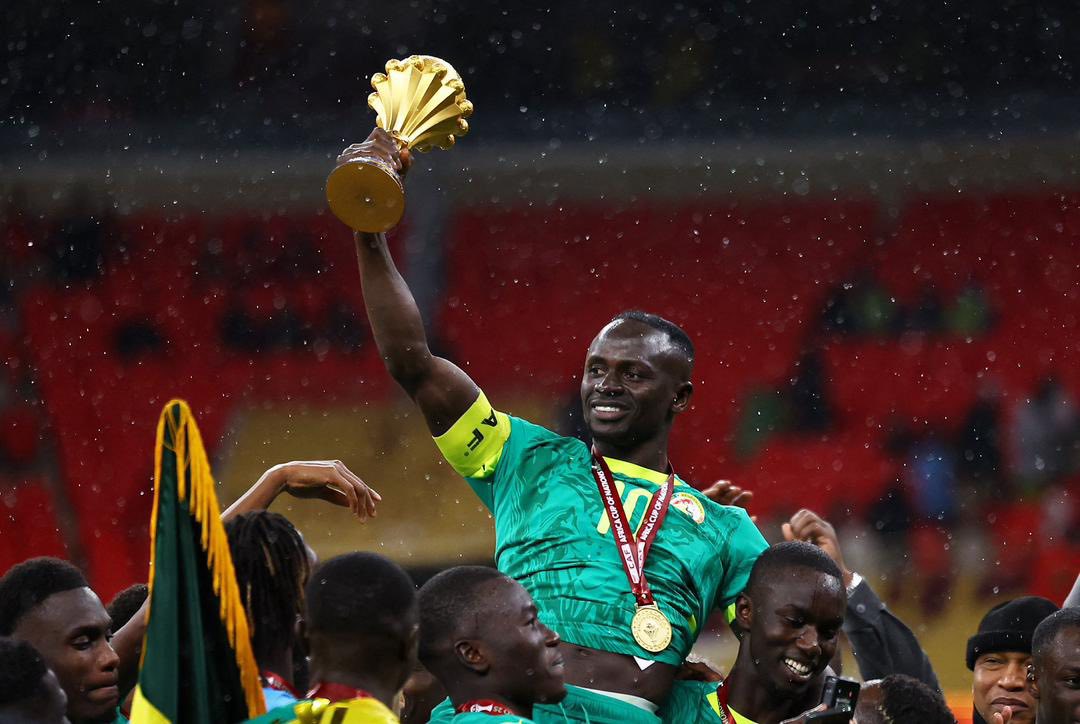
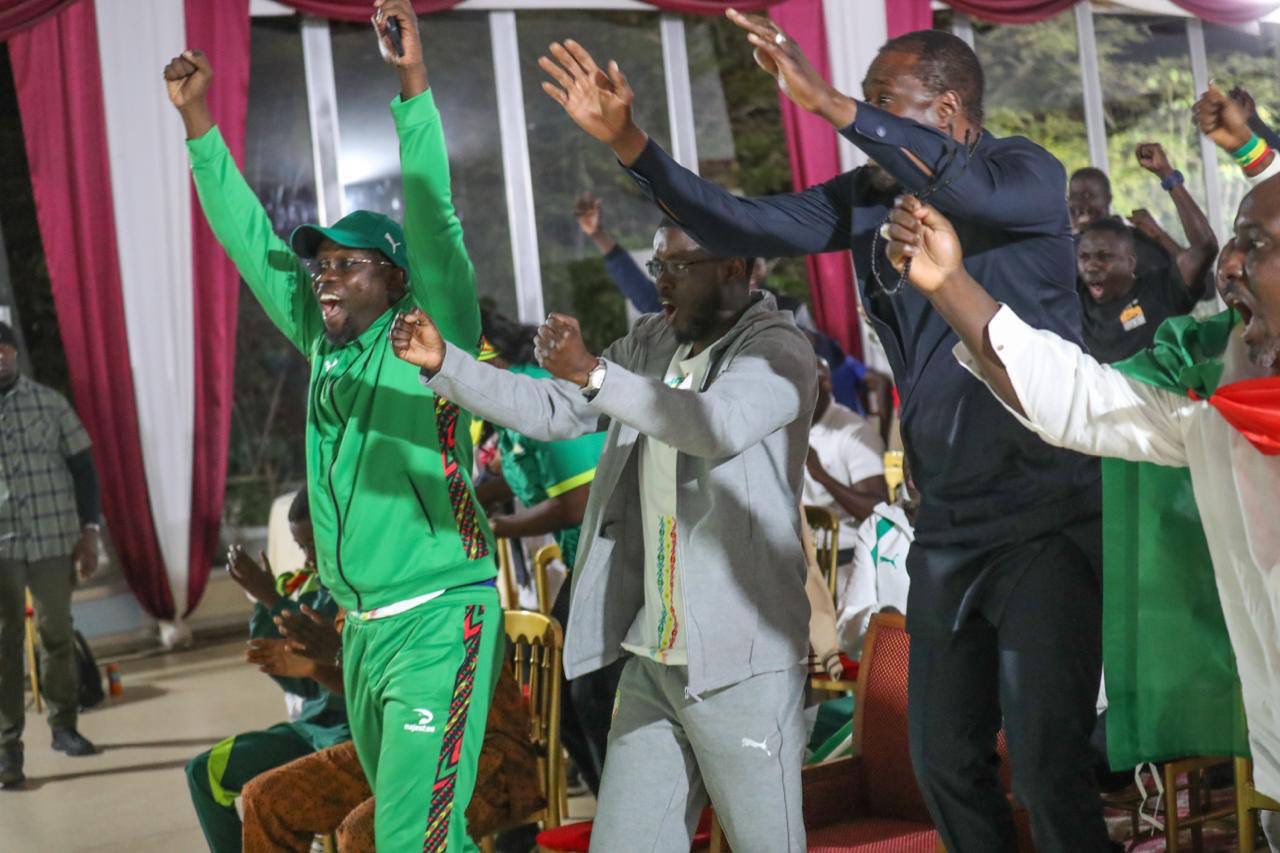
Gambiaj.com – (DAKAR, Senegal) – When the final whistle confirmed Senegal as champions of Africa once again, the numbers told only part of the story. Two goals. Two assists. Seven matches. MVP, Best Player of the 2025 Africa Cup of Nations.
At 33, with 124 caps and 52 goals, Sadio Mané had added yet another historic chapter to his career. But this tournament will be remembered less for his statistics than for a defining moment of leadership that altered the course of a final and, ultimately, sealed Senegal’s second continental title in four years.
Already crowned MVP in 2021, Mané joined an exclusive lineage by winning the award for a second time, matching the feat of Egypt’s Ahmed Hassan, who achieved the distinction in 2006 and 2010. The comparison is heavy with symbolism.
Like Hassan, Mané’s greatness lies not only in talent but also in authority, composure, and an almost instinctive understanding of decisive moments.
That understanding came into sharp focus late in the final against Morocco.
When the referee awarded a controversial penalty to Morocco near the end of the match, tension erupted. Senegal’s bench reacted with fury. The head coach instructed the players to leave the pitch and head for the dressing room in protest. Chaos loomed. A tournament, and perhaps a title, hung in the balance.
It was then that Mané stepped forward.
“Everyone wanted to leave,” Mané later recalled. Unsure, he sought counsel from experience. Claude Le Roy was the first voice he turned to. “You have to stay; you have to play,” the veteran coach advised. Mané then consulted Mamadou Niang and El Hadji Diouf, two icons of Senegalese football. Their message was the same.
Armed with that conviction, Mané addressed his teammates.
“Guys, we have to take responsibility. We’re going to play like men,” he told them. “Whether we score or not, we keep going.”
The team returned to the pitch. Senegal stayed in the game. And moments later, Mané’s influence resurfaced—this time in near silence.
As Morocco’s Dias prepared to take the penalty, Mané walked over to goalkeeper Édouard Mendy. His message was calm, precise, and rooted in experience: “Don’t rush. Don’t dive to either side. Take your time.”
In a stadium frozen by pressure, Mendy listened.

Dias struck the ball down the middle. Mendy stood his ground and gathered it safely. Senegal survived the storm—and never looked back.
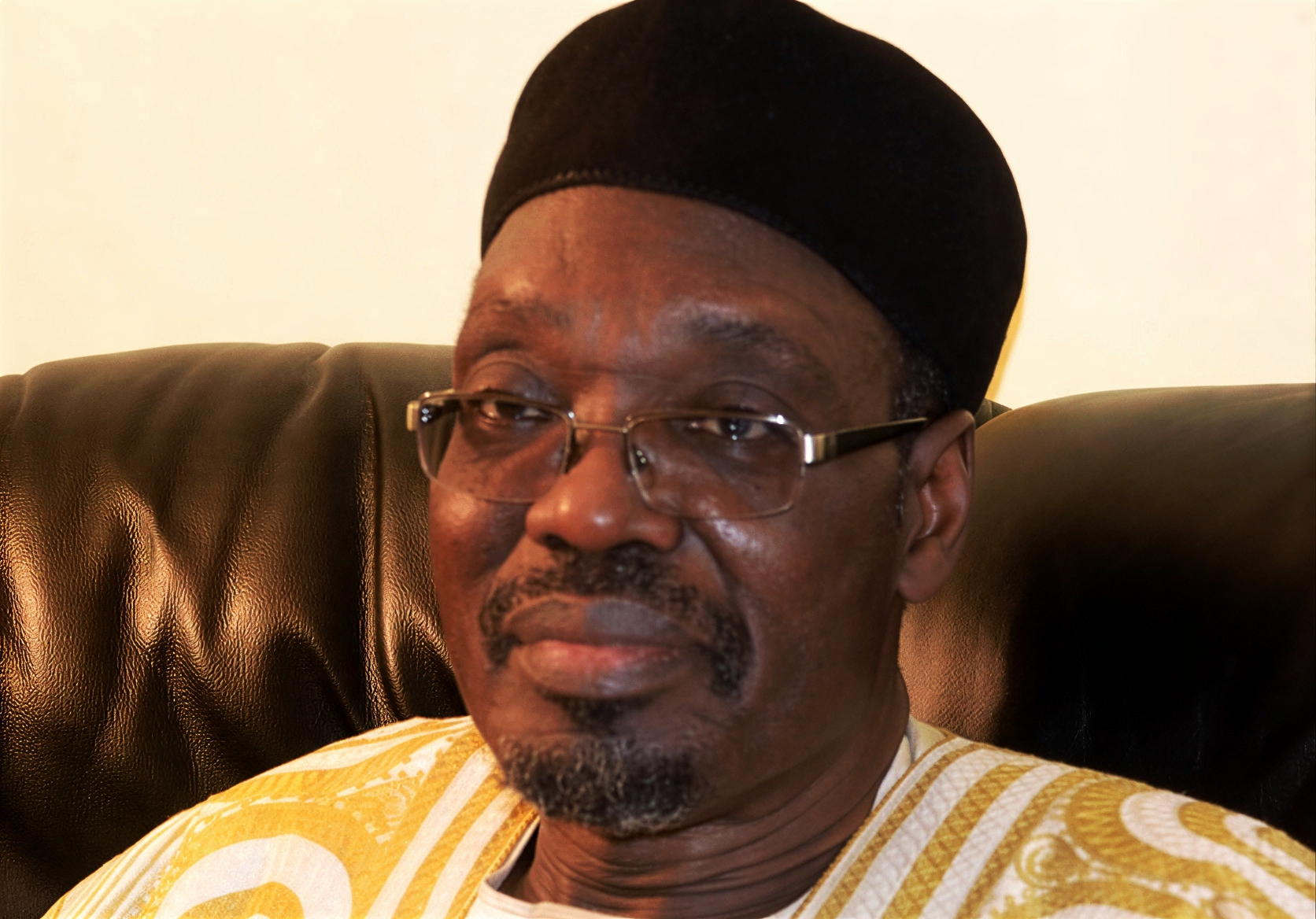
“Without Sadio Mané’s mentality tonight, Senegal wouldn’t have won the title,” observed young Gambian politician Momo Bah. “He’s a world-class player who trained under great coaches, absorbing incredibly high-level football concepts. He’s not even the captain or the second captain, yet he commands everyone’s respect. That’s the style and wisdom of legends.”
On the pitch, his leadership does not end there. When Gana Guèye, exhausted, considered leaving the field, Mané intervened.
“I had cramps everywhere, and I was really tired. The coach had decided to take me off, but Sadio told me, ‘What are you doing? You’re staying with us.’ He then signaled to the coach that I needed to remain on the pitch,” Guèye recalled.
“At that stage of the match, you didn’t necessarily need a lot of energy, but a lot of experience.”
Indeed, Mané’s authority throughout the tournament went far beyond the armband. As the technical and mental leader of the Lions of Teranga, he guided a squad often tested by pressure, expectations, and adversity.
He never forced his game, choosing instead to elevate those around him. His contributions came when they mattered most, quietly shaping outcomes rather than demanding the spotlight.
In the aftermath of the final, Bah offered a reflection that resonated far beyond football.
“Mané is crowned Best Player of the Tournament,” he said, “but more than that, he confirms what he has always said: he does not want to be remembered as a great footballer—but as a great human being. Tonight, he became both.”
With this second AFCON MVP award, Sadio Mané has secured his place among the giants of African football.
Yet his legacy, forged under the brightest lights and the heaviest pressure, is increasingly defined by something rarer than trophies: leadership when silence would have been easier, responsibility when chaos threatened, and humanity at the highest level of competition.