



Gambiaj.com – (BRUSSELS, Belgium) – Belgian judges are considering whether to put a 93-year-old former diplomat on trial over the 1961 assassination of Congolese independence leader and first prime minister, Patrice Lumumba, a case that has resurfaced more than six decades after the killing.
At a closed-door hearing in Brussels on Tuesday, judges at the Council Chamber heard arguments from the defense of Étienne Davignon, the only remaining suspect still alive in Belgium, as they weigh whether to proceed with a criminal trial for his alleged role in events surrounding Lumumba’s death. A decision is expected on March 17 and could be subject to appeal.
The Lumumba family said the hearing marked a crucial step in their long quest for “justice and truth,” 65 years after the former prime minister was overthrown, tortured, executed, and his body dissolved in acid.
Davignon, the Last Living Suspect
Davignon, a businessman and former senior diplomat, was a trainee at Belgium’s foreign ministry at the time of Lumumba’s assassination. He is named in a 2011 complaint filed by Lumumba’s sons, François and Roland, which accuses Belgian authorities of participating in a “vast conspiracy aimed at the political and physical elimination” of the Congolese leader.

After more than a decade of investigation, Belgian prosecutors in June 2025 requested that the case be referred to trial, citing Davignon’s alleged involvement in war crimes committed in Congo in 1961, when Belgium was grappling with the aftermath of its former colony’s independence.
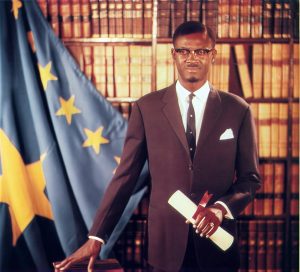
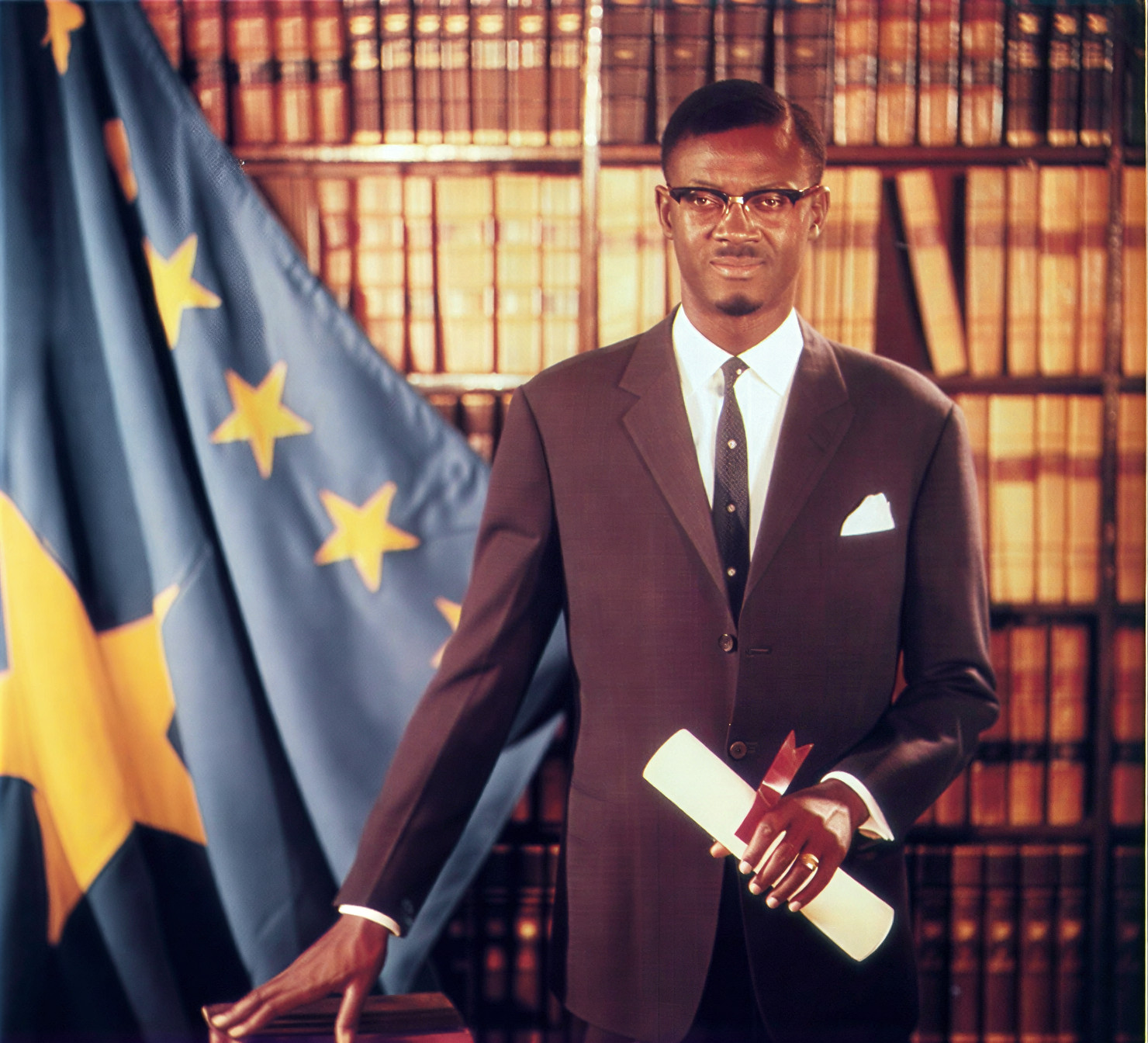
Patrice Lumumba became prime minister after Congo gained independence from Belgium on June 30, 1960, but was ousted by a coup by mid-September that year. A fierce critic of colonial domination, Lumumba was later arrested, transferred unlawfully, denied a fair trial, and subjected to degrading treatment before being killed.
The charges under consideration against Davignon include the illegal detention and transfer of Lumumba, denial of due process, and participation in humiliating and degrading treatment.
A Belgian parliamentary inquiry in 2001 found that Davignon had been tasked with persuading then-Congolese president Joseph Kasa-Vubu to dismiss Lumumba and to provide legal arguments for that move, acting on instructions from Belgium’s foreign minister at the time, Pierre Wigny.
Why the Case Can Still Be Tried 65 Years Later
Legal experts note that international crimes such as war crimes, crimes against humanity, and genocide are not subject to statutes of limitation, a principle established after the Nuremberg trials. This allows cases like Lumumba’s assassination to be prosecuted decades later.
Wolfgang Kaleck, secretary general of the European Center for Constitutional and Human Rights, described Lumumba’s killing as “one of the most damaging political murders of the last century,” arguing that responsibility extended beyond individuals to an entire state apparatus.
While acknowledging Davignon’s youth at the time, Kaleck said he was nonetheless part of Belgium’s diplomatic elite.
Lumumba’s assassination plunged Congo into years of instability and dictatorship under Joseph-Désiré Mobutu, who seized power in a coup and ruled until 1997.
Diaspora Pressure and Calls to ‘Illuminate History’
The case is being closely followed by members of the Congolese diaspora in Belgium. On January 17, activists gathered in Brussels to mark the 65th anniversary of Lumumba’s death, calling for accountability and deeper reckoning with Belgium’s colonial past.
Belgium formally acknowledged its moral responsibility for Lumumba’s assassination in 2001 and apologized to his family in 2022. However, activists argue that these gestures fall short.
“A trial would send a clear message that one cannot assassinate the prime minister of a sovereign state without consequences,” said Stéphanie Ngalula, an organizer with the Collective for Colonial Memory and the Fight Against Discrimination.
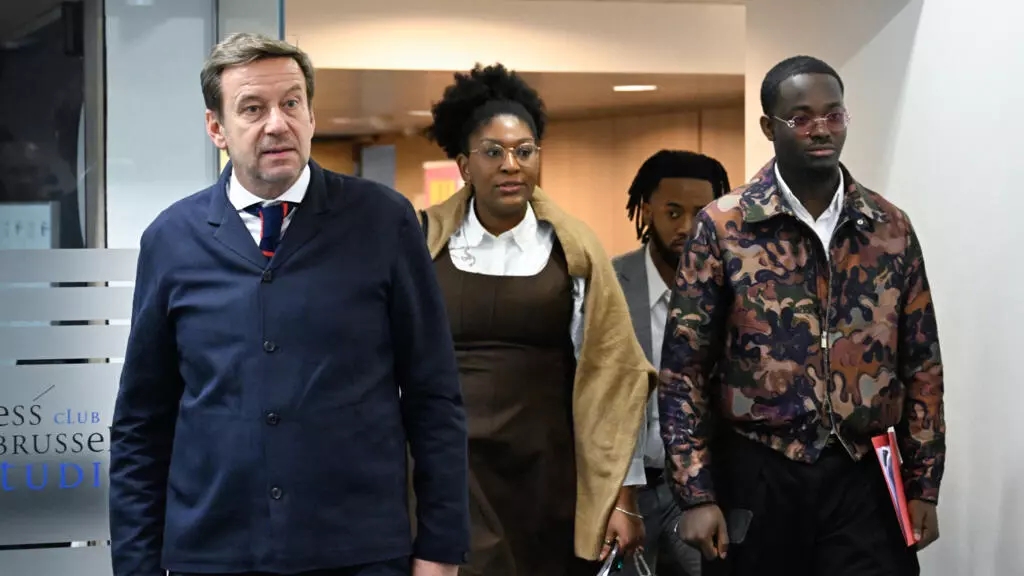
Speaking at the hearing, Lumumba’s granddaughter, Yema Lumumba, said the family was relying on Belgian justice “to do its work and shed light on history.” Kaleck added that the family is considering civil action against the Belgian state if Davignon dies or is not brought to trial.
The judges’ decision in March could determine whether Belgium confronts one of the darkest chapters of its colonial history in a criminal courtroom.