


Gambiaj.com – (BISSAU, Guinea-Bissau) – The Transitional Presidency of Guinea-Bissau has scheduled legislative and presidential elections for December 6, 2026, in a move authorities say will restore constitutional order after months of political instability.
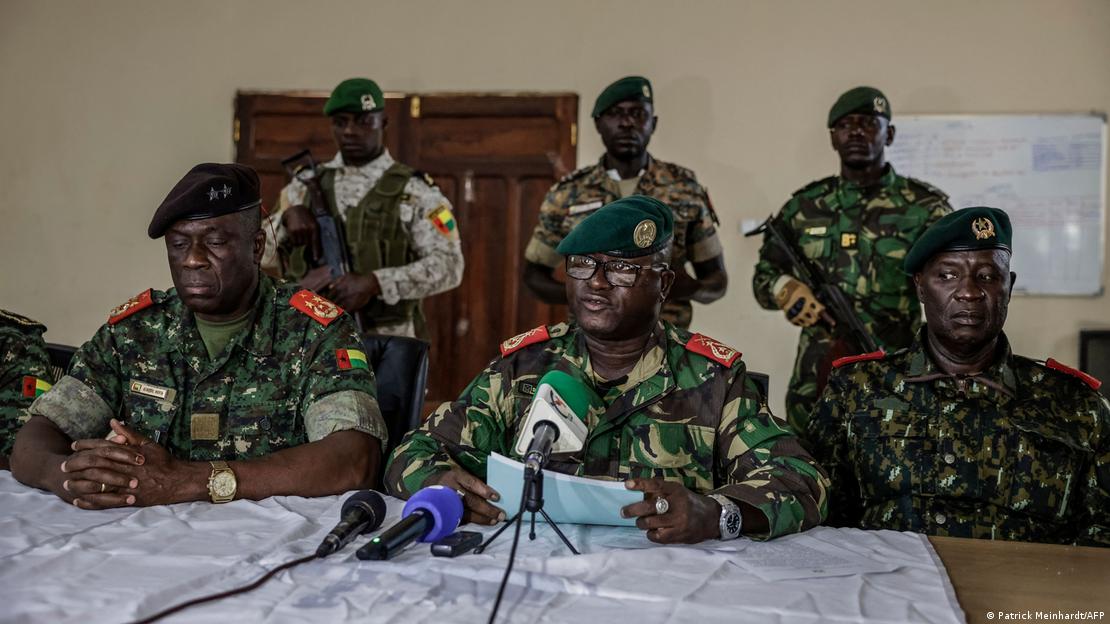
The decision was formalized through Presidential Decree No. 02/2026, published on Wednesday, January 21, 2026, and signed by the transitional president, Major-General Horta N’Tam. The decree states that conditions are in place for “free, fair and transparent” elections and takes immediate effect.
According to a statement read by the presidency’s spokesperson, Colonel Valentin Jaime, “all the conditions for the organization of free, fair and transparent elections are met.”
He said the polls would mark a return to constitutional order while respecting the one-year transition timeline set out in the Transitional Political Charter adopted on November 27, 2025.
The charter provides the legal and political framework for the transition and explicitly bars the head of the junta from contesting the elections. Under its provisions, General Horta N’Tam, who is currently serving as president of the transition, is not eligible to run in the presidential poll.
The transitional authorities say the electoral calendar also reflects their commitment to international partners, particularly the Economic Community of West African States (ECOWAS), which had called for a clear and credible transition timetable.
Despite these assurances, the announcement has triggered concerns among political actors and electoral authorities over the country’s preparedness to organize the polls.
Earlier, the president of the National Elections Commission (CNE), N’pabi Cabi, told the transitional president that the commission is not in a position to conduct elections without urgent financial and logistical support. He cited acute shortages of ballot boxes—some destroyed during recent unrest—as well as the lack of computers and problems with the electoral server.
“In addition to the financial aspect, the CNE is short of ballot boxes. In Bafatá, for example, there are none at all. We also have problems with the server and do not have any computers. These are elements that must be reestablished,” Cabi said after meeting with the transitional president.
The CNE has also proposed a fresh voter registration exercise, arguing that the current electoral roll, last updated in 2023, is unreliable due to the failure to remove deceased voters and those who have emigrated.
Meanwhile, several political leaders contacted by international media have questioned whether a country weakened by prolonged institutional instability has the time, financial resources and logistical capacity to organize credible elections within the proposed timeframe.
They have also called for the release of political detainees arrested in the aftermath of the coup, as well as firm guarantees of public freedoms, as prerequisites for a credible electoral process.