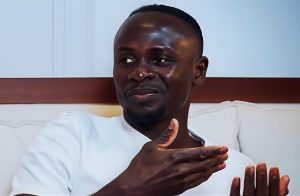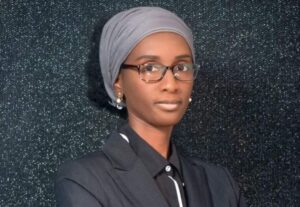


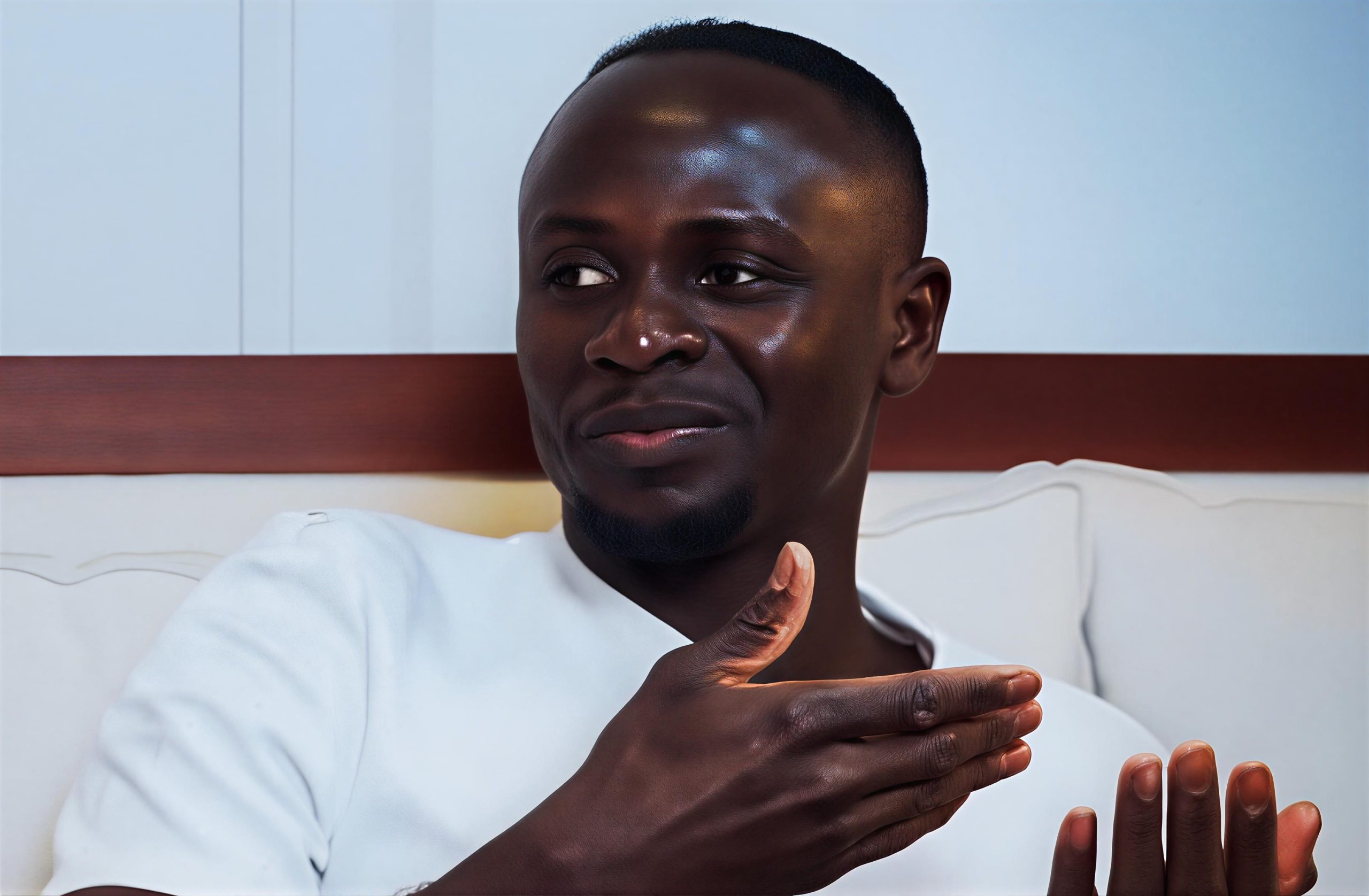
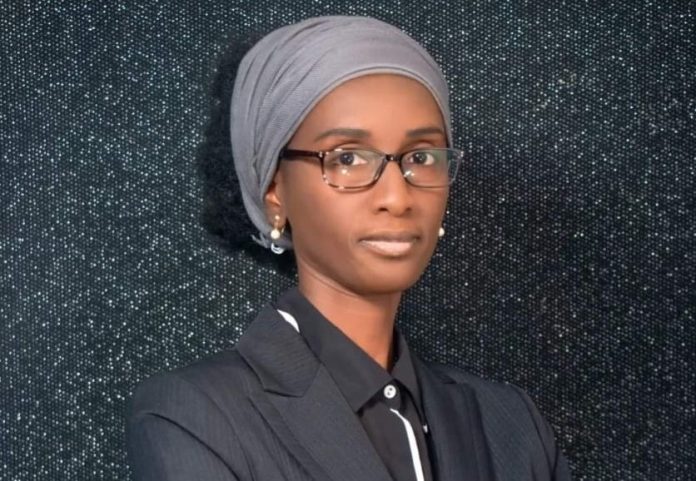
Gambiaj.com – (BANJUL, The Gambia) – The United Democratic Party (UDP) has come under sharp criticism from journalists and members of the public following a press release that appeared to instruct media houses to use only photographs deemed “official” by the party in their reporting.
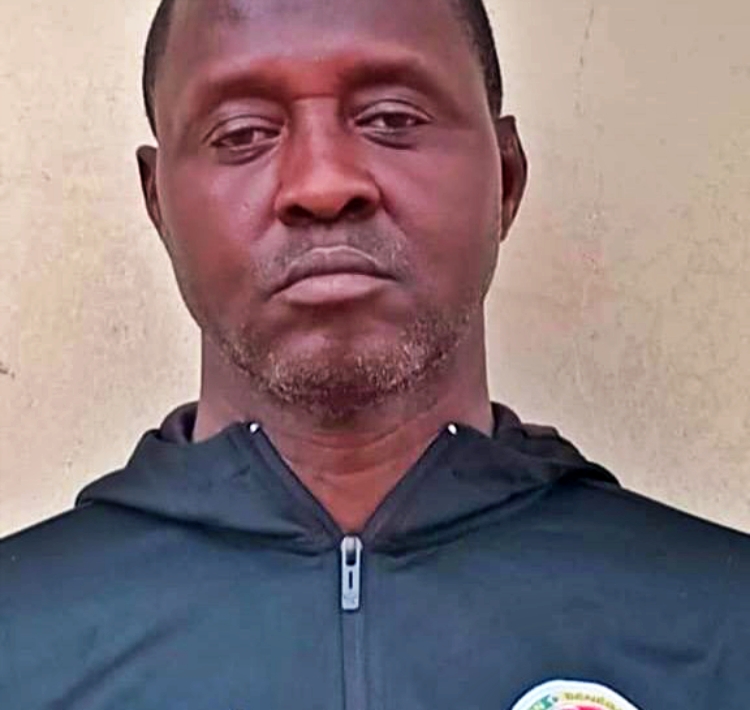
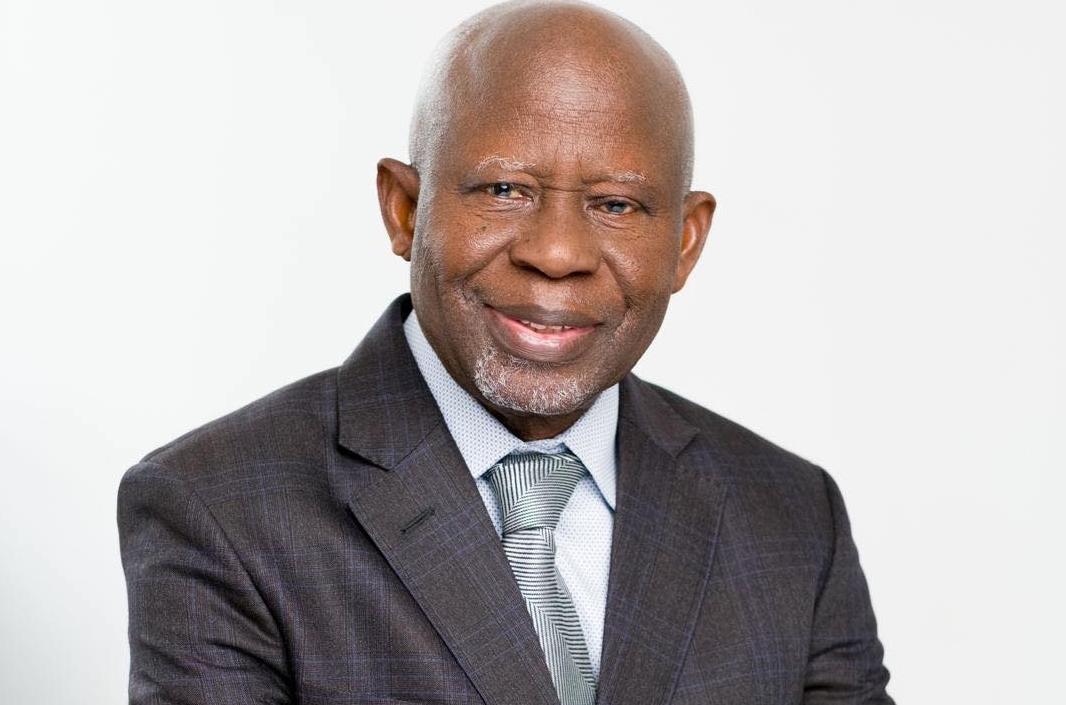
In the statement, the UDP said it “wishes to inform all media houses that, with immediate effect, only officially published images of the UDP National Executive should be used for all reporting and publications relating to the Party’s elected representatives.”
The directive, accompanied by selected photographs of party officials, quickly triggered backlash, with critics accusing the party of attempting to control media narratives and infringe on press freedom.
Several journalists described the tone and substance of the release as undemocratic. Alieu Jallow of The Fatu Network rejected the directive, stating, “The media does not owe any obligation to comply with the preferences or desires of any political party. Our responsibility is to the public, to truth, and to professional standards, not to directives issued by those we report on.”
As criticism mounted, the UDP moved swiftly to retract and clarify its position. In a follow-up statement issued by the party’s Administrative Secretary for Media and Communication, Saikou Camara, the UDP said the original communication was misunderstood and was not intended to interfere with editorial independence.
According to the clarification, the UDP Media and Communications Team has, on multiple occasions, received formal requests from journalists for official photographs of members of the party’s National Executive.
The party said the images were shared through a WhatsApp group created specifically to facilitate communication with verified media practitioners, and that no objections were raised at the time of sharing.
“For the avoidance of doubt,” the statement said, “the intention of the accompanying statement was not to direct, influence, or interfere with the editorial independence of the media, nor to prescribe what should be reported or how stories should be framed.”
The party added that the photographs were provided strictly to support “accurate and professional reporting,” while also addressing concerns about potential copyright issues associated with images sourced online.
The UDP further stated that media houses were being expressly granted written permission to use the official photographs and reaffirmed its respect for the role of the media in a democratic society.
However, the controversy did not end with the retraction.
Observers and readers noted that the set of official photographs circulated by the party did not include Hon. Rohey Malick Lowe, a prominent UDP figure.
The omission prompted questions on social media and in public commentary about whether she was deliberately excluded from the party’s official communications.
While the UDP has not publicly addressed the absence of Hon. Lowe’s photograph, the issue has fueled speculation about transparency and internal unity within the party, further intensifying scrutiny of its communication practices.