


Gambiaj.com – BANJUL, The Gambia) – The Government of The Gambia has declared climate-resilient Water, Sanitation, and Hygiene (WASH) services a national priority, warning that worsening climate shocks are putting water infrastructure, public health, education, and child protection at risk.
The commitment was highlighted at the country’s first Climate-Resilient WASH Joint Sector Review, held from January 27–28 in Banjul, bringing together government officials, development partners, civil society and technical experts.
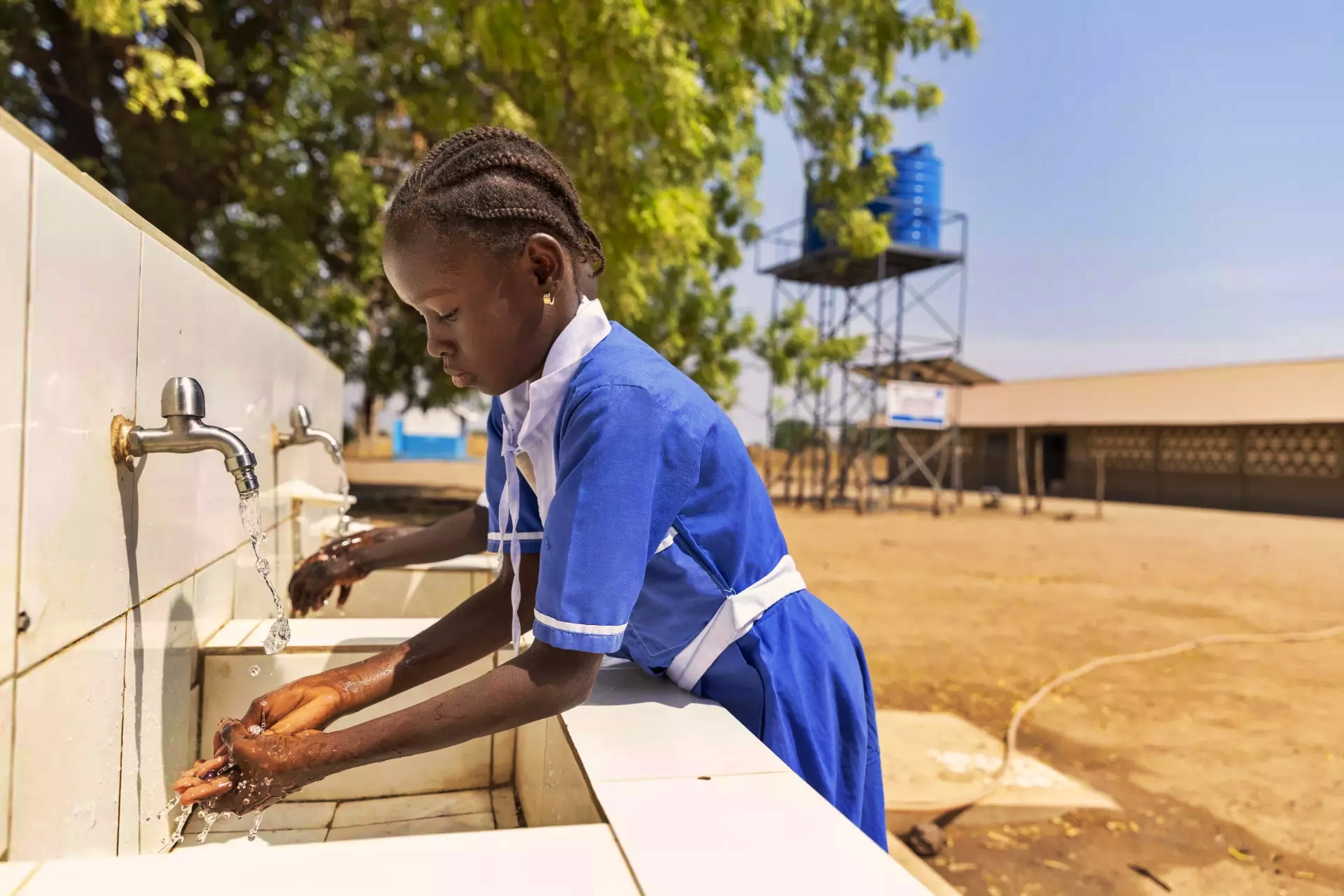
UNICEF told the meeting that climate-resilient WASH must be treated as a national protection system for children, warning that floods, droughts, sea-level rise, and saline intrusion are already damaging water points, school latrines, and sanitation systems.
“When climate shocks hit WASH systems, they hit children first and hardest,” the agency said, noting increased risks of disease outbreaks, disrupted schooling, and threats to children’s safety and dignity.
Speaking on behalf of the Minister of Fisheries, Water Resources, and National Assembly Matters, Permanent Secretary Buba Sanyang said climate risks facing the country are no longer theoretical, citing erratic rainfall, urban-driven water demand, and growing salinization of water sources.
He revealed that government is developing a new National Water Policy (2025–2034) to replace the 2007 framework and plans to review the Gambia Water Bill 2020 to strengthen water governance and regulation.
The Minister of Health, meanwhile, presented stark WASH indicators, showing that only 48 percent of Gambians use safely managed drinking water, 28 percent have access to safely managed sanitation, and 73 percent of households face E. coli contamination risks.
UNICEF urged the government and partners to integrate climate resilience into national planning, strengthen coordination, and mobilize climate finance, stressing that early action could protect gains made in WASH and safeguard children’s futures.