

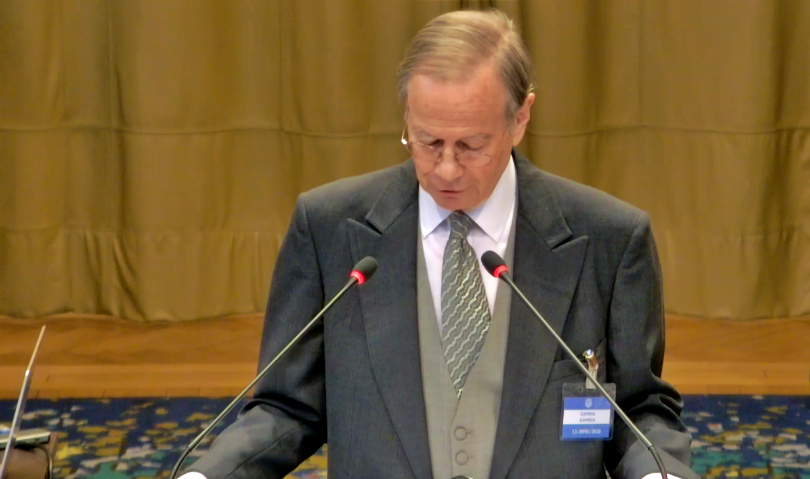
Gambiaj.com – (THE HAGUE, Switzerland) – The Gambia on Tuesday delivered a forceful closing argument before the International Court of Justice (ICJ), accusing Myanmar’s military of carrying out a calculated campaign to destroy the Rohingya as an ethnic group rather than conducting legitimate counter-insurgency operations.
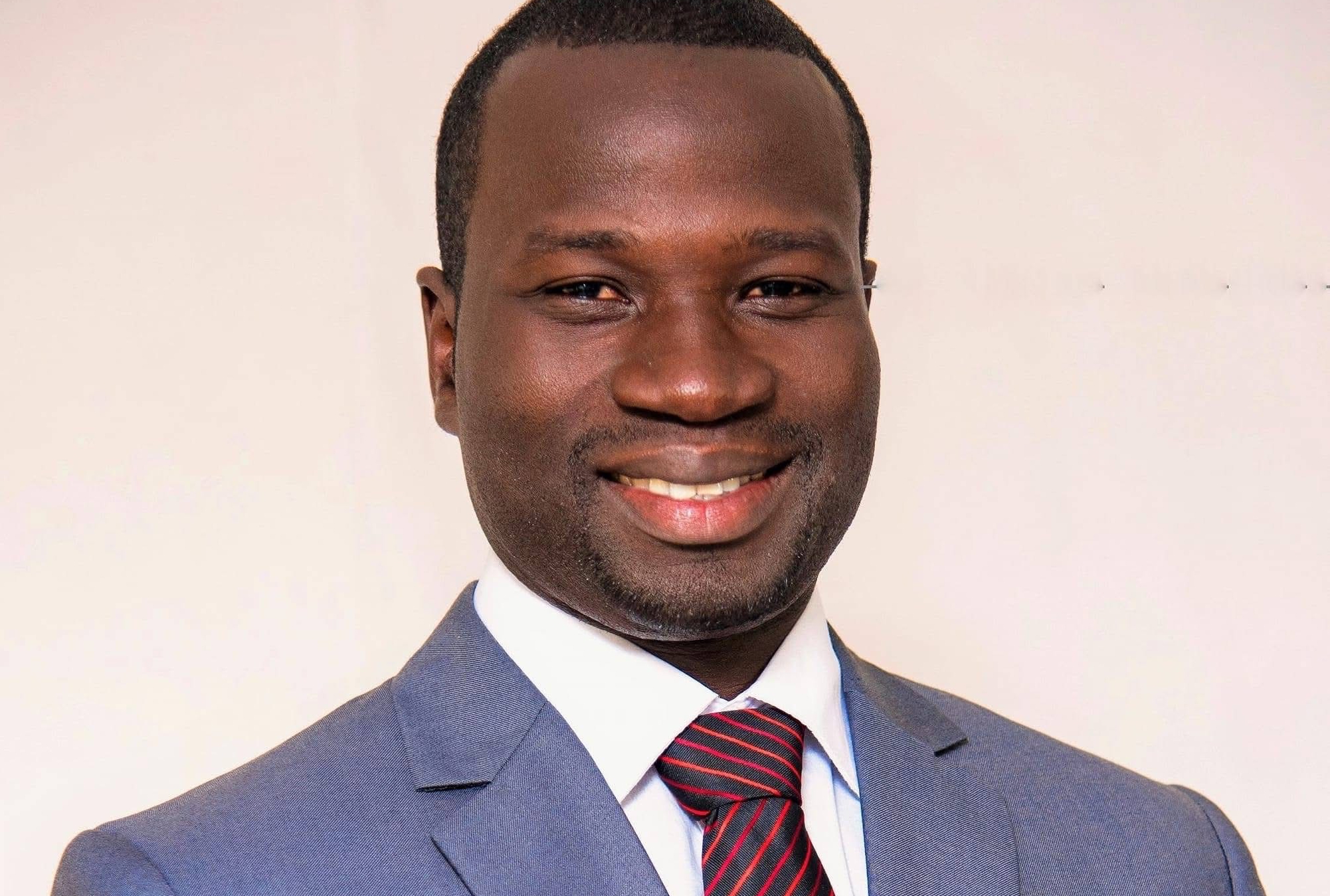
Presenting The Gambia’s final submissions, lead counsel Paul Reichler said evidence gathered from dozens of witnesses and multiple independent investigations overwhelmingly supports findings that Myanmar’s actions in Rakhine State amounted to genocidal conduct.
Reichler told the court that testimony from 42 witnesses collected by the UN’s Independent Investigative Mechanism for Myanmar (IIMM) corroborates the conclusions of the UN Fact-Finding Mission (FFM), which found that Myanmar’s security forces engaged in systematic and coordinated attacks against Rohingya civilians.
He cited evidence showing that military units surrounded civilian populations in villages such as Chut Pyin in northern Rakhine State, issued orders that “every house be burned,” and carried out killings that included pregnant women and children.
Addressing earlier criticisms from Myanmar’s legal team, Reichler said The Gambia had gone further by naming witnesses in its submissions on atrocities committed by the military in Rakhine State, underscoring the credibility of the evidence presented.
He argued that widespread and systematic sexual violence against Rohingya women was not incidental but a deliberate tactic intended to terrorize the population and force mass displacement.
According to Reichler, the objective of the military campaign was not merely to expel the Rohingya from Myanmar but to destroy the group in whole or in part.
Reichler stressed that the findings of the UN Fact-Finding Mission were reinforced by investigations conducted independently by a broad range of international bodies, including the United States State Department, the Public International Law & Policy Group (PILPG), Fortify Rights, Physicians for Human Rights (PHR), the Office of the UN High Commissioner for Human Rights (OHCHR), Amnesty International, the International Crisis Group, and Save the Children.
“Each of these organizations carried out its own investigation,” he said, adding that despite different mandates and methodologies, they all reached the same conclusions about the nature and intent of Myanmar’s military operations.
Myanmar has consistently argued that its actions were aimed at suppressing attacks by the Arakan Rohingya Salvation Army (ARSA). Reichler rejected this claim, telling the court that the evidence shows the response was directed at the Rohingya civilian population as a whole, not at armed insurgents.
He also sharply criticized Myanmar’s reliance on military reports, statements from senior officers, and coverage by military-controlled media, arguing that such material lacks credibility.
Reichler urged the judges to exercise extreme caution when assessing evidence originating from sources under the direct control of the military accused of committing the crimes.
The ICJ case, brought by The Gambia under the Genocide Convention, is closely watched as a test of international accountability for alleged mass atrocities and the protection of vulnerable populations under international law.