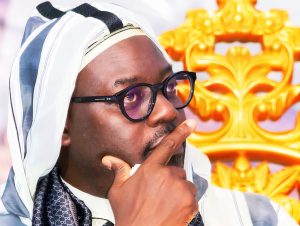


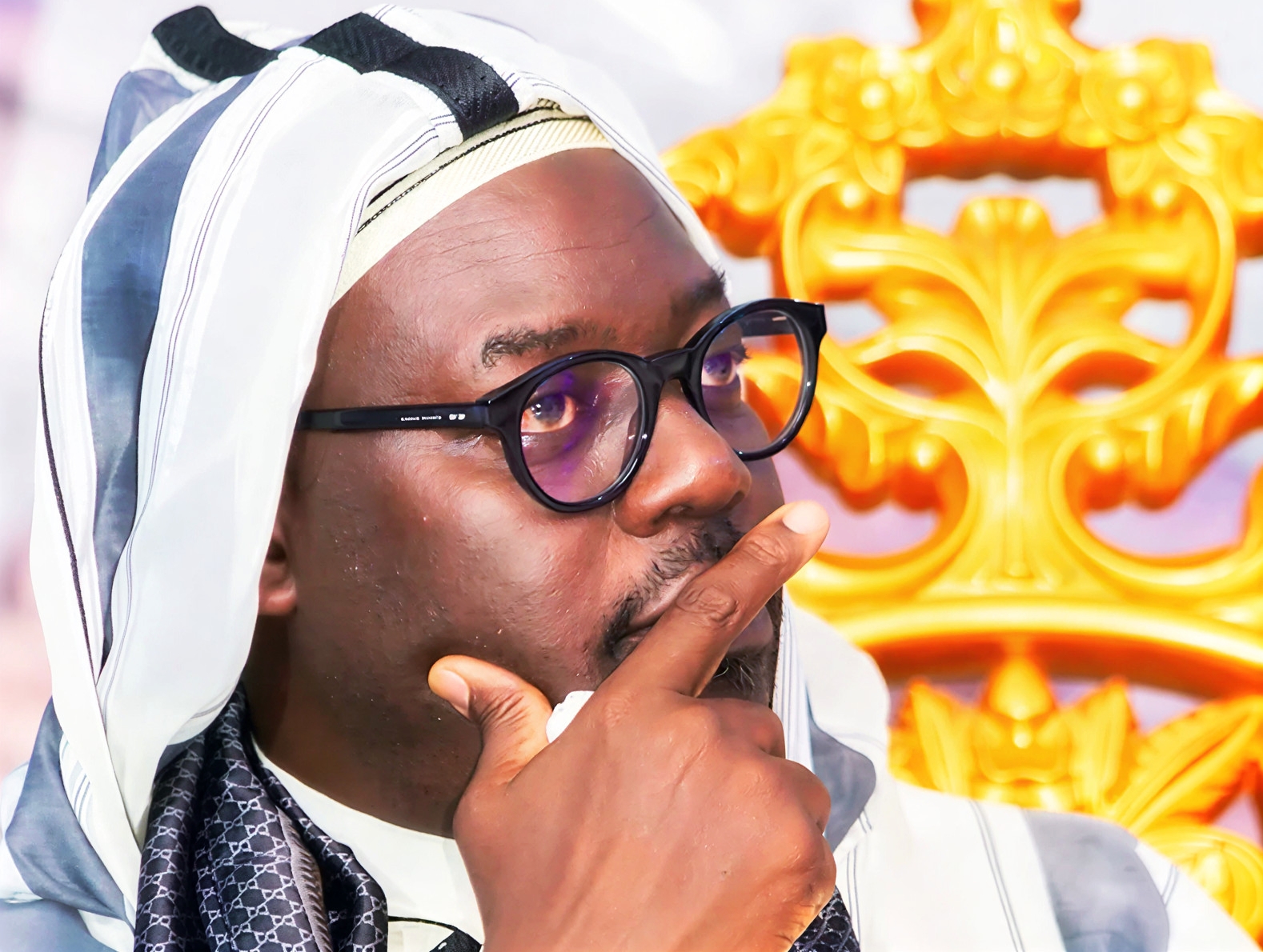

Gambiaj.com – (DAKAR, Senegal) – A rare convergence has emerged in Senegal’s increasingly polarized political landscape, as figures aligned with both former President Macky Sall and President Bassirou Diomaye Faye moved in tandem to denounce a wave of verbal attacks targeting the influential Tijani religious guide, Serigne Moustapha Sy Al Amine.
The synchronized reactions, from Sall’s Alliance for the Republic (APR) and the pro-presidential movement Diomaye President 2029, underscore growing concern that political disagreements are spilling into the sensitive religious sphere, threatening social cohesion in a country where spiritual authorities remain central moral arbiters.
Criticism of PASTEF Sparks Backlash
The controversy erupted after Serigne Moustapha Sy Al Amine publicly questioned the capacity of the ruling PASTEF-led government to respond to the everyday needs of Senegalese citizens.
In doing so, he drew direct comparisons between governance under former President Macky Sall, now living in Morocco, and the current leadership of Prime Minister Ousmane Sonko and President Diomaye Faye.
Those remarks triggered a barrage of insults and personal attacks on social media, allegedly led by activists identifying with PASTEF, including a sitting member of parliament from the ruling majority. The marabout, visibly unshaken, framed the backlash as evidence of political intolerance.
“They cannot digest contradiction,” he said, recalling similar episodes in which senior religious figures, such as the Caliph Generals of the Tidjanes and the Mourides, were previously targeted. “They only have insults to give because they have nothing else good to offer.”
Standing firmly by his assessment, Serigne Moustapha Sy Al Amine reiterated in Wolof, “Lii fi nekkoon moo gën lii fi née; loolu mooy dëgg,” asserting that Senegal’s past governance experience was better than its present reality, “whether one likes it or not.”
APR and Macky Sall Draw a Red Line
Through an official statement, the APR issued an unequivocal defense of the religious guide, making clear that denigration of spiritual leaders is unacceptable under any political pretext.
The party stressed that, during Macky Sall’s leadership, no such conduct would be tolerated and reaffirmed the former president’s authority over party positions.
The message was twofold: a rejection of attacks against Serigne Moustapha Sy Al Amine and a broader reminder of the sacrosanct role religious figures play in Senegalese public life.
Pro-Diomaye Movement Also Condemns Excesses
In a move that further highlighted the gravity of the situation, the Diomaye President 2029 movement, aligned with President Diomaye Faye, also broke its silence.
Supporting the Ndiabotu Serigne Moustapha collective, the movement condemned what it described as “disrespectful and unacceptable” remarks attributed to PASTEF activists.
While backing the head of state, the movement insisted that freedom of expression cannot justify attacks that undermine the dignity of a revered religious authority. It called for a “pacification of the political-religious space” and urged all political actors to respect religious leaders as guarantors of national cohesion.
The Federation of Tidjane Dahiras of Dakar and its suburbs echoed this stance, reinforcing calls for restraint and responsibility.
A Fragile Line Between Politics and Religion
Beyond the immediate controversy, the episode exposes deeper fault lines in Senegal’s post-election climate.
The willingness of both opposition-linked forces and pro-presidential movements to jointly denounce the attacks suggests a shared fear of escalation into a full-blown political-religious crisis—historically a volatile and “flammable” terrain in Senegalese public debate.
As tensions persist online, calls are mounting for the state and the justice system to act decisively against what many describe as “digital impunity.”
For a broad spectrum of political and religious actors, the priority is clear: restoring boundaries, safeguarding respect for religious guides, and preserving social peace in a nation where politics and faith remain inextricably linked.