


Gambiaj.com – (BANJUL, The Gambia) – Gambia’s groundnut trading system continues to grapple with deep-seated structural and operational weaknesses, with the National Food Security and Processing Marketing Corporation (NFSPMC) cautioning lawmakers that the sector remains exposed to significant systemic risks.
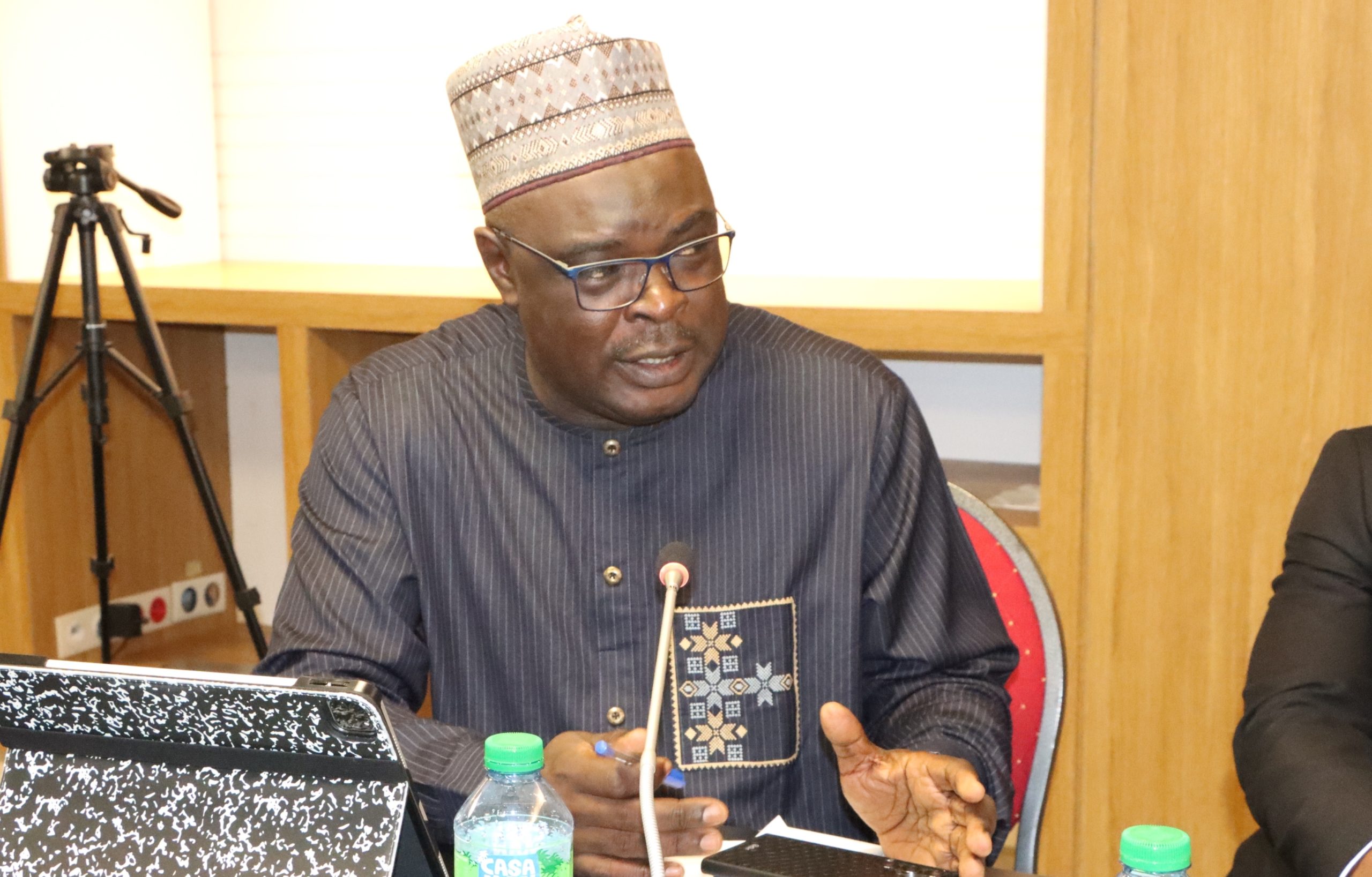
Appearing before the National Assembly during an oversight session, the corporation’s Deputy Managing Director, Lamin L. Sanyang, formerly of the Gambia Groundnut Corporation (GCC), told National Assembly Members (NAMs) that outdated infrastructure, weak institutional frameworks, and limited oversight mechanisms continue to undermine efficiency, transparency, and farmer incomes.
“If you imagine having an institution where essential elements are missing and then you entrust it with D2 billion, that is a very high risk,” Sanyang said. “This is a challenge we have been dealing with for a number of years.”
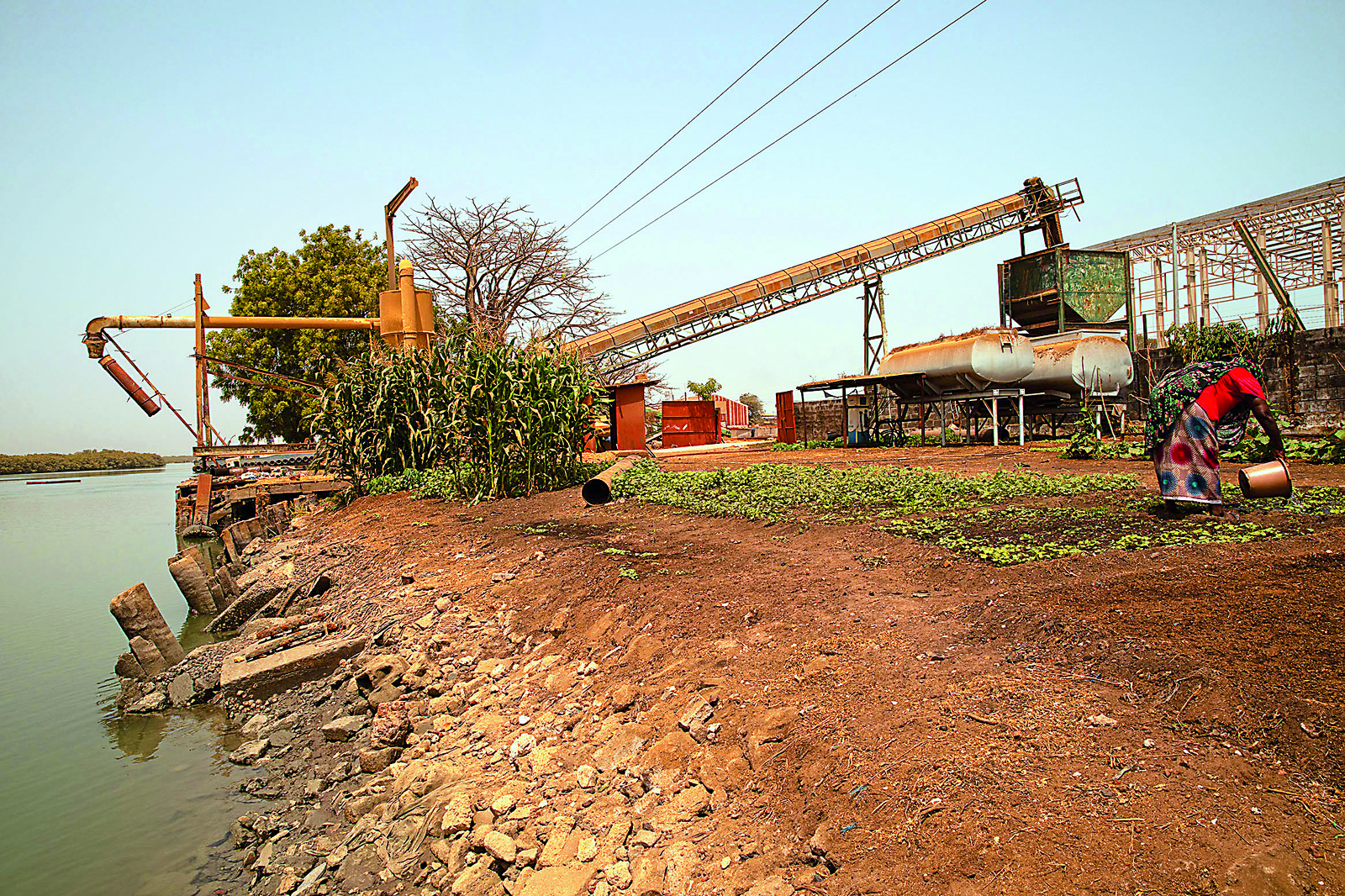
He disclosed that many of NFSPMC’s warehouses and landing sites are in urgent need of rehabilitation.
A budget of D25 million has been earmarked for modernization efforts, while the corporation is also exploring partnerships with private investors to upgrade facilities and strengthen operational capacity.
Technology, Sanyang noted, is central to ongoing reforms. NFSPMC has automated key processes, including weighing systems, ticketing, and farm-level data monitoring through an Enterprise Resource Planning (ERP) system.
“All our processes are now automated, and this has significantly improved transparency, accountability, and efficiency,” he said, adding that the corporation has recorded a 92 per cent delivery rate during the current season.
Sanyang also addressed longstanding challenges involving local buying groups, commonly known as “circles,” as well as the persistent risk of operational losses. He stressed that reforms are underway but emphasized the need for stronger accountability mechanisms to safeguard public resources.
Transportation remains another major bottleneck in the groundnut value chain. The deputy managing director explained that river transport buoys, each capable of carrying up to 200 tons, are about 75 per cent cheaper than road transport.
However, he noted that further investment is required to expand capacity and manage peak seasonal volumes efficiently.
Officials further updated lawmakers on a large-scale processing and cogeneration project funded by the Islamic Development Bank and other international partners. According to Sanyang, technical delays and funding gaps, now estimated at D35 million, continue to pose challenges, although work on the project is ongoing.
The NFSPMC concluded by urging lawmakers to support its modernization agenda, strengthen credit-buying policies, and ensure the sustainability of digital systems, warning that failure to do so would prolong inefficiencies in one of the country’s most critical agricultural sectors.