


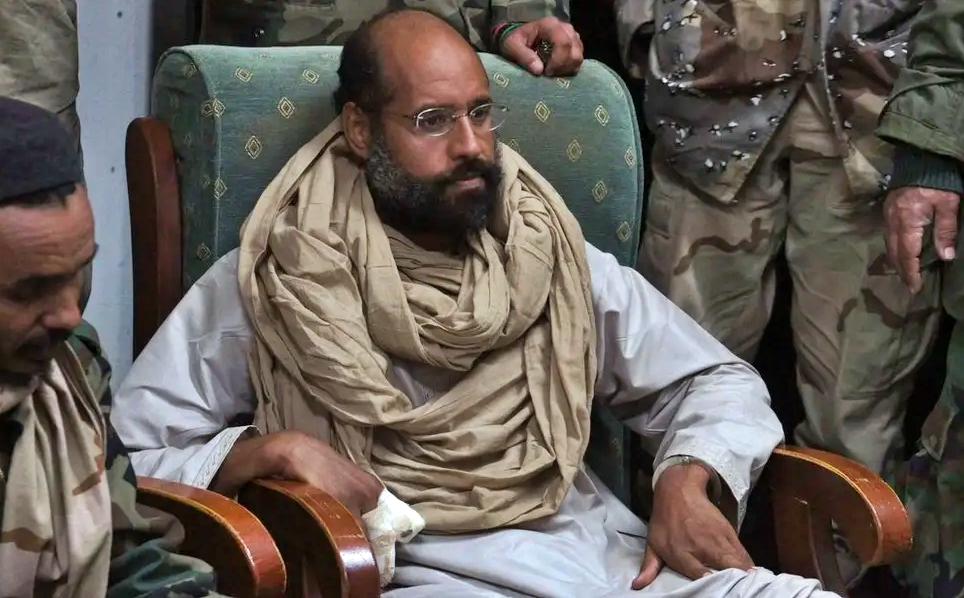
Gambiaj.com – (ZINTAN, Libya) – Seif al-Islam Gaddafi, the once-heralded heir apparent to Libya’s former dictator Muammar Gaddafi, was assassinated on Tuesday in the western city of Zintan. The 53-year-old, who remained a polarizing figure wanted by the International Criminal Court (ICC), was reportedly executed in his home by a specialized hit squad in an operation that has sent shockwaves through the region.
The Targeted Execution in Zintan
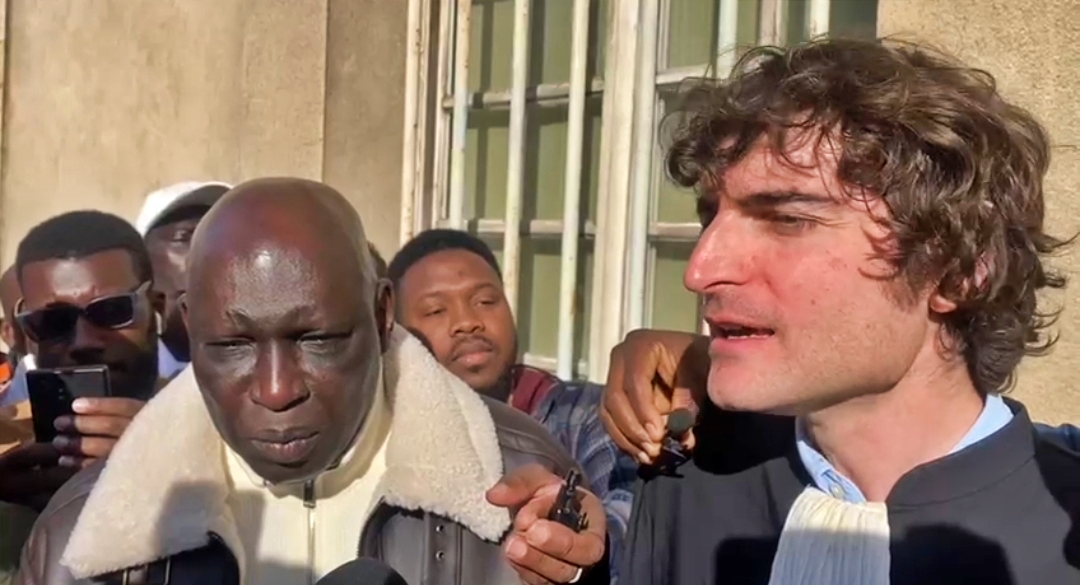
The details emerging from the scene point to a highly coordinated and professional “commando-style” operation. According to his French lawyer, Marcel Ceccaldi, the hit occurred at approximately 2:00 p.m. local time on Tuesday.
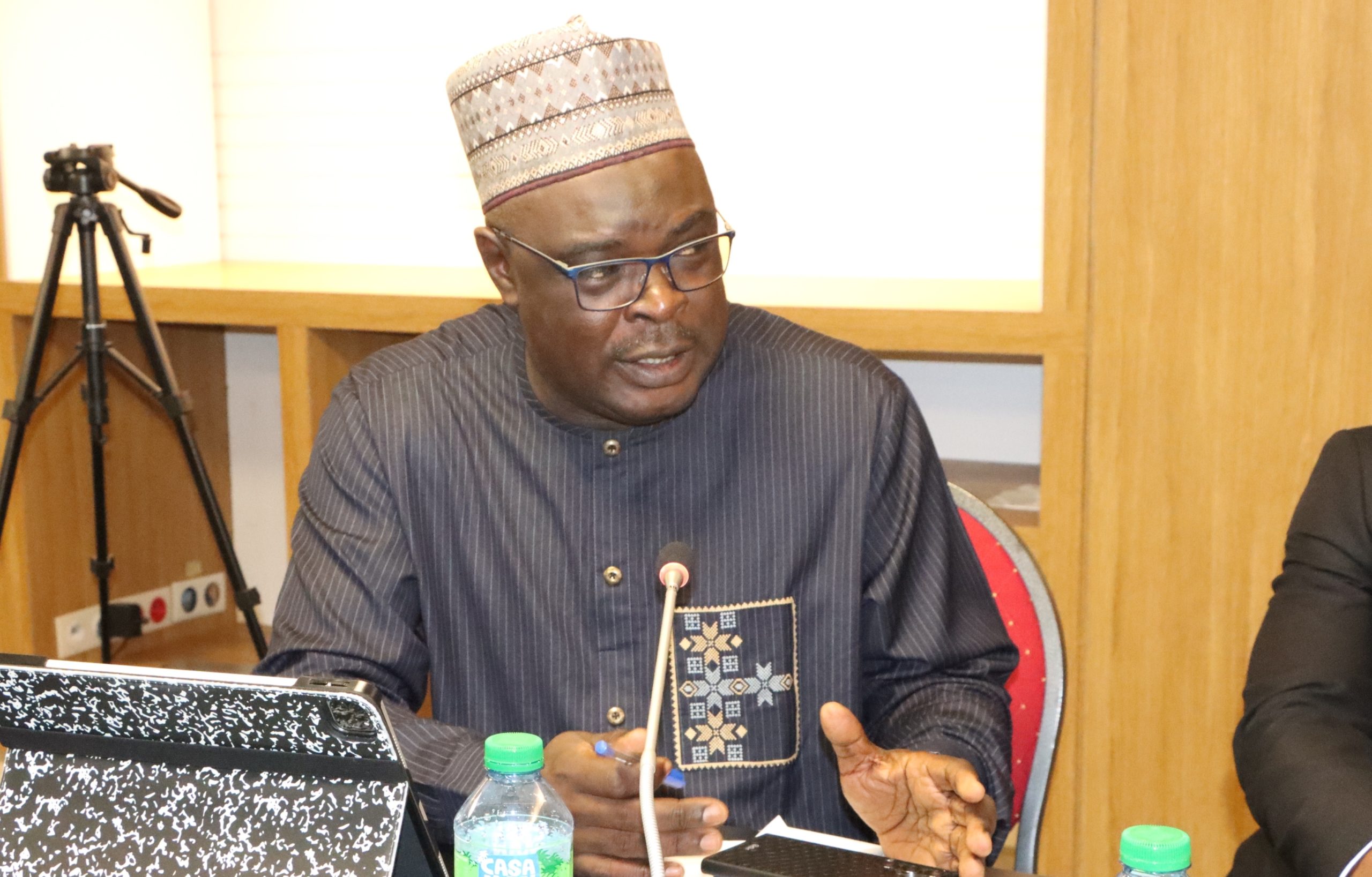
The breach was not a chaotic skirmish but a calculated strike. His senior advisor, Abdullah Othman Abdurrahim, confirmed to local media that a group of four unidentified gunmen stormed the residence after successfully neutralizing the property’s surveillance cameras.
Once the security perimeter was compromised, the assailants located Gaddafi and executed him inside the house before vanishing into the outskirts of the city.
A Refusal of Protection
The assassination followed a period of heightening tension regarding Gaddafi’s safety. Lawyer Marcel Ceccaldi revealed that he had been alerted to credible security threats roughly ten days ago.
In a poignant revelation, Ceccaldi noted that the leader of the Gaddafi tribe had recently contacted Seif al-Islam to offer a dedicated security detail to reinforce his position. However, in a move that may have sealed his fate, Gaddafi reportedly refused the offer.
Despite the 2015 death sentence hanging over him from a Tripoli court, he had lived a shadowy existence since 2017, frequently moving locations to evade both the law and his political rivals.
The End of a Polarizing Legacy in a Nation at a Crossroads
Seif al-Islam’s death marks the end of a complex and bloody chapter in Libyan history. Before the 2011 revolution, he was the English-speaking face of Libyan “reform,” often seen as a bridge between his father’s iron-fisted regime and the Western world.
That image shattered during the uprising when he famously appeared on television promising “rivers of blood” to those who opposed his father’s rule.
Though he later attempted a political comeback by filing for the presidency in 2021, his candidacy became a central point of controversy that stalled national elections for years.
Libya remains fractured between the UN-recognized Government of National Unity (GNU) in Tripoli and the eastern-based executive aligned with Marshal Khalifa Haftar.
While some political analysts suggest that Gaddafi’s death removes a major legal and political obstacle to future elections, others fear the fallout.
Expert Emad Badi noted that the assassination is likely to transform Gaddafi into a martyr for those nostalgic for the former regime, potentially deepening the resentment in an already volatile landscape. As of Tuesday evening, no group has claimed responsibility for the assassination, and the identity of the four-man commando remains a mystery.