


Gambiaj.com – (BANJUL, The Gambia) – The National Assembly’s Select Committee on Agriculture and Rural Development has held a review meeting with the Ministry of Agriculture and the Central Project Coordinating Unit (CPCU) to assess the implementation and performance of ongoing agricultural projects nationwide.
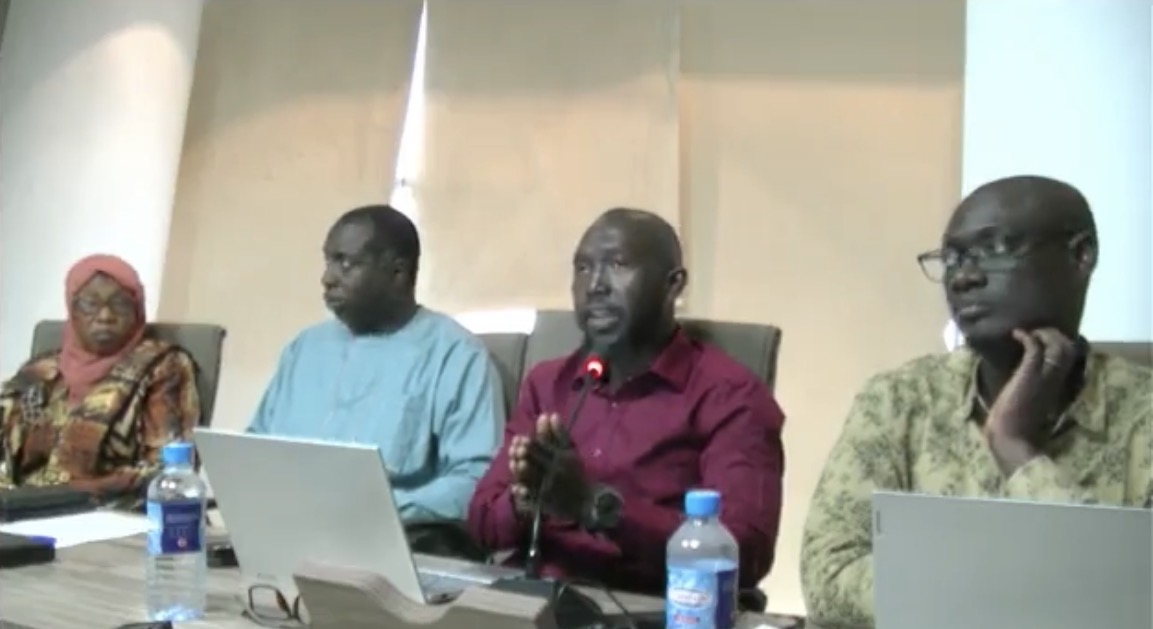
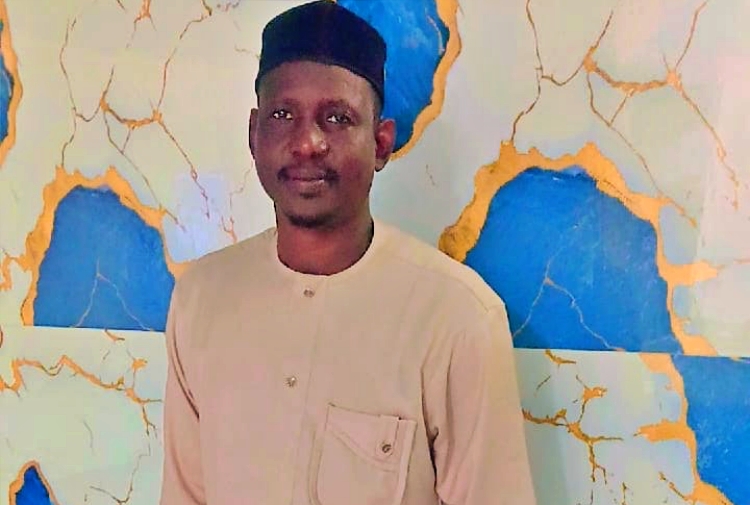
The session, chaired by Hon. Omar Darboe, National Assembly Member for Upper Niumi, brought together officials from the ministry and CPCU, with Senior Programme Officer Bakary O. Camara presenting a detailed progress update to lawmakers.
Camara told the committee that the projects have placed strong emphasis on capacity building across key agricultural institutions.
He outlined a series of training initiatives, including data analytics programs led by the World Agroforestry Centre (ICRAF), the involvement of University of The Gambia students in applied research, and targeted training for staff of the National Agricultural Research Institute (NARI) and the Soil and Water Management Unit.
Among the notable activities, Camara said the Land Generation Surveillance Survey was conducted, with 35 participants trained in modern data collection techniques. In addition, 20 technicians received specialized training on fertilizer emission trials aimed at improving the quality and relevance of agricultural research.
He further disclosed that efforts are underway to establish sustainable business models for laboratories at NARI and the Soil and Water Management Unit.
According to him, the initiative is designed to enable the facilities to generate their own revenue while continuing to support national agricultural research and development.
Additional capacity-building measures included soil science research undertaken by university students, technical training in soil stability evaluation and tropical soil fertilization, as well as laboratory safety courses that benefited 41 participants.
On the financial side, Camara reported that the combined projects have an overall budget of D1.34 million, with an execution rate of about 63 percent.
He highlighted key milestones already achieved, such as the installation of the NARI spectral laboratory, the completion of soil surveys in four agricultural regions, the processing and scanning of soil samples, the completion of two cycles of field trials, and the sponsorship of three University of The Gambia students to complete their thesis work.
However, the committee was also informed of persisting challenges. These include delays in the construction of the Soil and Water Management laboratory, slow response times from some donors, and limitations in accommodating the activities of partner institutions.
Reflecting on lessons learned, Camara stressed the need for early and thorough internal consultations during project preparation and recommended the creation of a dedicated local project funding line to better support international collaborations.
Members of the committee welcomed the progress made so far and underscored the importance of addressing the identified challenges to ensure that agricultural projects deliver lasting benefits to farmers and rural communities across the country.