




Gambiaj.com – (Monrovia, Liberia) – Governors of central banks from 12 West African countries have convened in Monrovia for a high-level meeting aimed at accelerating technical and institutional preparations for the long-awaited Eco regional currency, which is now targeted for launch in 2027.
The three-day session, held under the framework of the Economic Community of West African States, brings together key monetary authorities to align policies and governance systems required to operationalize the single currency project.
Nigeria’s presidency, in a statement issued Saturday, described the meeting as a decisive step toward strengthening economic integration, deepening monetary cooperation, and facilitating cross-border trade across West Africa.
Renewed Push Following ECOWAS Summit
The Monrovia talks follow the December 2025 ECOWAS Summit in Abuja, where regional Heads of State and Government reaffirmed their commitment to the 2027 launch date and urged member states to accelerate fiscal and monetary convergence.
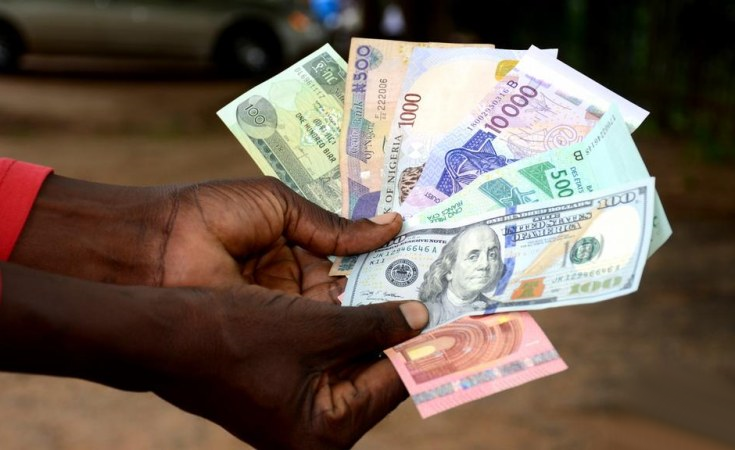
The Eco currency is part of ECOWAS’ broader regional integration agenda, designed to harmonize financial systems and promote economic mobility. It is expected to complement existing regional instruments such as the ECOWAS passport and simplify trade and financial transactions across borders.
The first phase of implementation is projected to include Liberia, Nigeria, Ghana, Sierra Leone, Guinea, and The Gambia—provided each country meets strict macroeconomic convergence criteria and establishes robust institutional frameworks.
Long-Delayed Ambition Faces Structural Challenges
The Eco initiative has faced repeated delays over the years due to significant economic disparities among member states. Persistent inflation, widening fiscal deficits, exchange rate volatility, and varying public debt levels have made it difficult for countries to meet the required benchmarks.
Despite these obstacles, the Monrovia meeting signals renewed political and technical determination to advance the project and anchor regional economic stability on coordinated monetary policies.
Experts Urge Fiscal Discipline and Strong Institutions
Economic analysts say the success of the Eco will depend heavily on member states’ ability to maintain fiscal discipline and ensure institutional credibility.
Dr. Adebayo Kareem, a regional trade economist, said a unified currency could significantly boost trade within the bloc.
“A single currency could significantly boost intra-ECOWAS trade, which currently remains low compared to other regional blocs. But the fundamentals must be right—fiscal discipline and inflation control are non-negotiable,” he noted.
Financial policy analyst Marie Konan echoed similar caution, warning that monetary union without proper fiscal coordination could expose weaker economies to economic shocks.
“The European experience shows that monetary integration requires more than a shared currency. There must be effective fiscal surveillance mechanisms and a credible central monetary authority capable of managing asymmetric shocks,” she said.
For The Gambia and other participating countries, the Eco promises potential benefits, including reduced currency conversion costs, easier regional trade, and stronger financial integration. However, it also requires strict adherence to fiscal and monetary discipline.
The Monrovia meeting is widely seen as a critical step toward translating long-standing ambitions into concrete action, as West Africa moves cautiously toward a shared monetary future.