

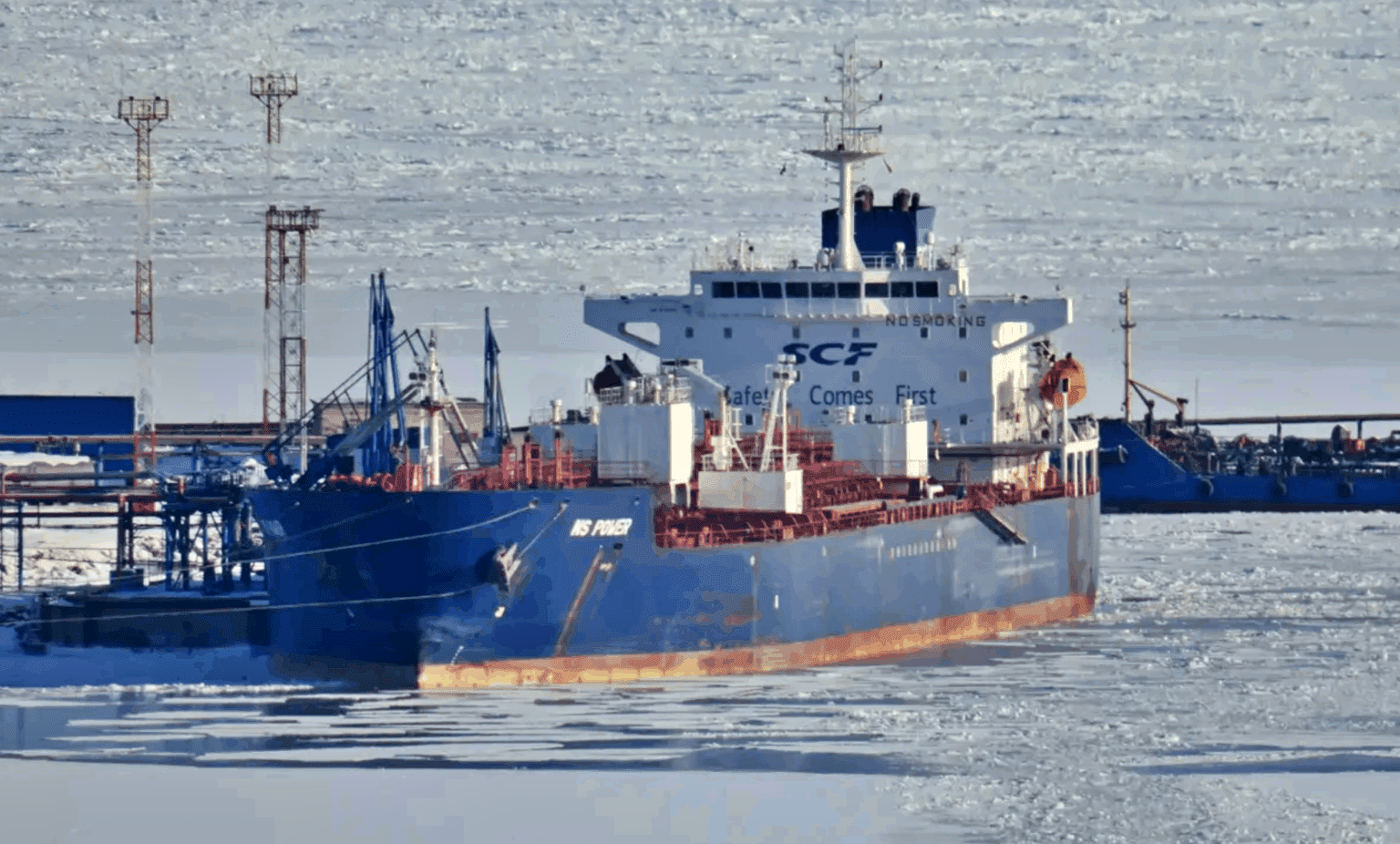



Gambiaj.com – (BANJUL, The Gambia) – The Gambia’s discreet decision to eject 71 vessels from its shipping registry has sent shockwaves through global maritime networks, highlighting the country’s emerging role in efforts to curb the operations of sanctioned and high-risk ships linked to the so-called “shadow fleet.”
Taken late last year following a series of unpublicized diplomatic engagements, the move by Gambian authorities forced dozens of vessels, many associated with sanctions evasion and questionable certification practices, to seek alternative national flags.
The action, though carried out quietly, is now being cited internationally as a significant example of how smaller maritime registries can influence global shipping compliance.
Shadow Fleet Forced to Move On
The expelled vessels wasted little time finding new homes, shifting their registration to countries widely regarded as more permissive. Among the main destinations was Cameroon, whose registry has absorbed a steady influx of sanctioned and high-risk ships in recent months, according to international maritime risk monitors.
However, mounting diplomatic pressure, particularly from European partners, is now forcing some of these registries to reconsider their positions, raising the prospect of yet another wave of re-flagging as vessels search for jurisdictions willing to accept them.
This constant switching of national flags, known in the industry as “flag-hopping,” is a tactic used by shipowners to avoid sanctions, regulatory scrutiny, or enforcement actions.
Banjul’s Decision Seen as Turning Point
For The Gambia, a country with a relatively small but internationally recognized ship registry, the decision to expel the vessels marked a significant assertion of regulatory responsibility at a time when global powers are increasingly focused on maritime sanctions enforcement.
The development underscores how diplomatic engagement, even when conducted behind closed doors, can influence maritime governance.
Maritime analysts say The Gambia’s action contributed to tightening the global regulatory environment for vessels linked to sanctions evasion, particularly those connected to oil trades involving countries such as Iran and Russia.
Global Crackdown Intensifies
The Gambian move came amid a broader international push to clean up ship registries.
Panama, under pressure from the United States, removed vessels linked to Iran, while European diplomatic engagement has resulted in similar actions by registries in countries including Comoros and Gabon.
At the same time, Russia has been expanding its own registry, taking in vessels that have lost their flags elsewhere, as it seeks to maintain its maritime trade in the face of Western sanctions following its invasion of Ukraine.
Strategic Stakes Rising at Sea
The stakes are expected to rise further with new European restrictions on maritime services, which could push more vessels into the shadow fleet and increase the number seeking alternative flags.
Russia has already warned it could deploy naval power to protect its maritime routes, while European officials have indicated that stateless vessels, ships without recognized national registration, could face interception or seizure.
Implications for The Gambia
For The Gambia, the episode reflects both the risks and responsibilities associated with operating an open ship registry in a highly politicized global shipping environment.
While the country’s decisive action has drawn attention to its role in promoting maritime compliance, it also highlights the pressures small maritime nations face as geopolitical rivalries increasingly play out on the world’s oceans.
The ripple effects of Banjul’s quiet crackdown continue to unfold, demonstrating that even modest maritime nations can exert significant influence in shaping global shipping practices.