



Gambiaj.com – (BANJUL, The Gambia) – Independence was achieved in 1965, but its responsibility is renewed by every generation.
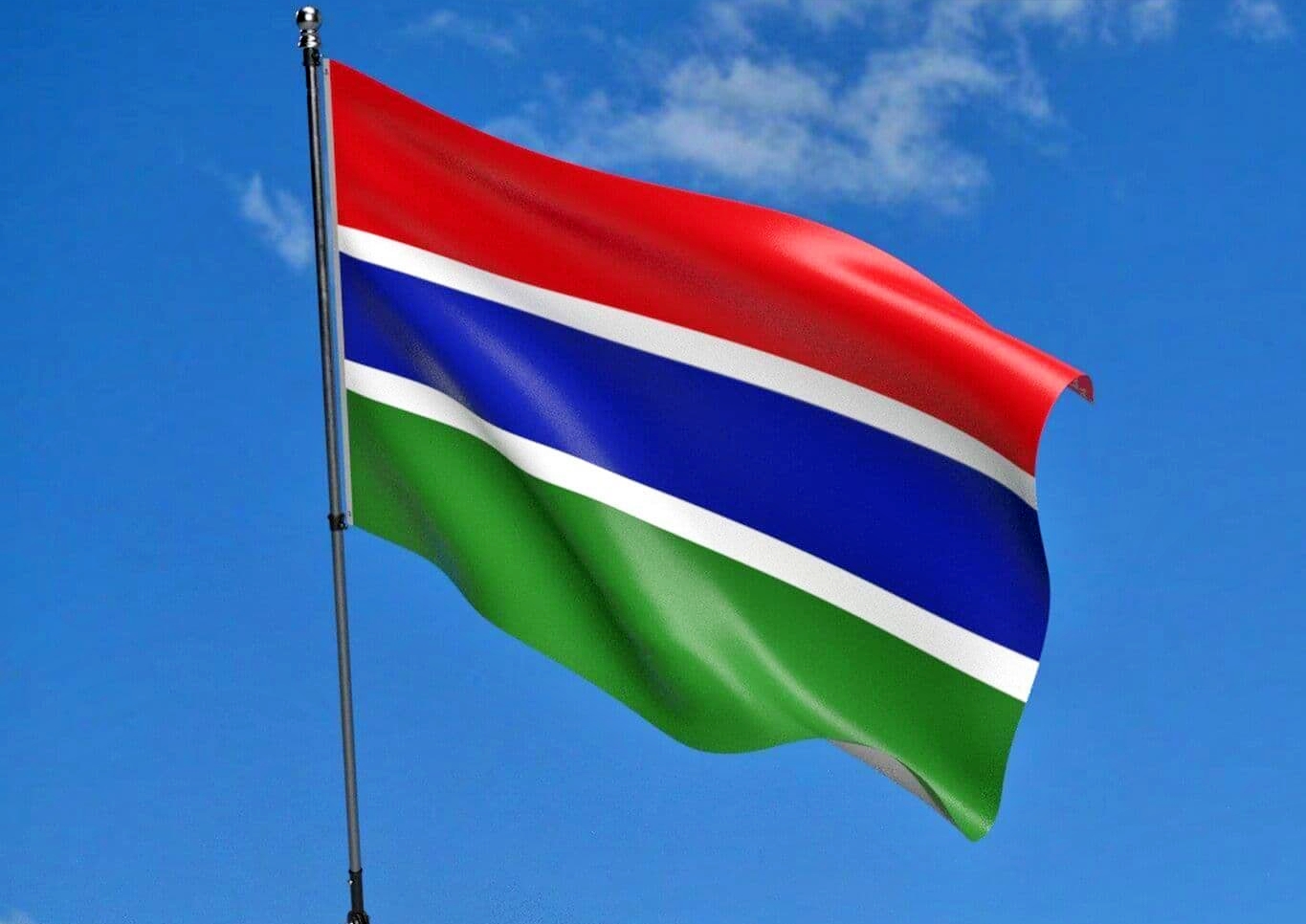
On 18 February 1965, The Gambia became an independent nation. The Union Jack was lowered, and authority passed peacefully into Gambian hands. Independence was secured through constitutional negotiation and electoral legitimacy, reflecting a political culture that valued order over upheaval and dialogue over confrontation.
In Banjul, then Bathurst, and across the provinces, families gathered around radios while churches and mosques offered prayers. A small nation stepped into history with composure and seriousness.
The achievement of that day does not belong to one individual alone. While Dawda Jawara led as Prime Minister, the journey to self-government involved leaders across political traditions, including Pierre Sarr Njie, alongside chiefs, religious authorities, civil servants, and ordinary citizens. Independence was shaped by negotiation, disagreement, and compromise. It was the work of a generation that believed institutions mattered more than personalities.
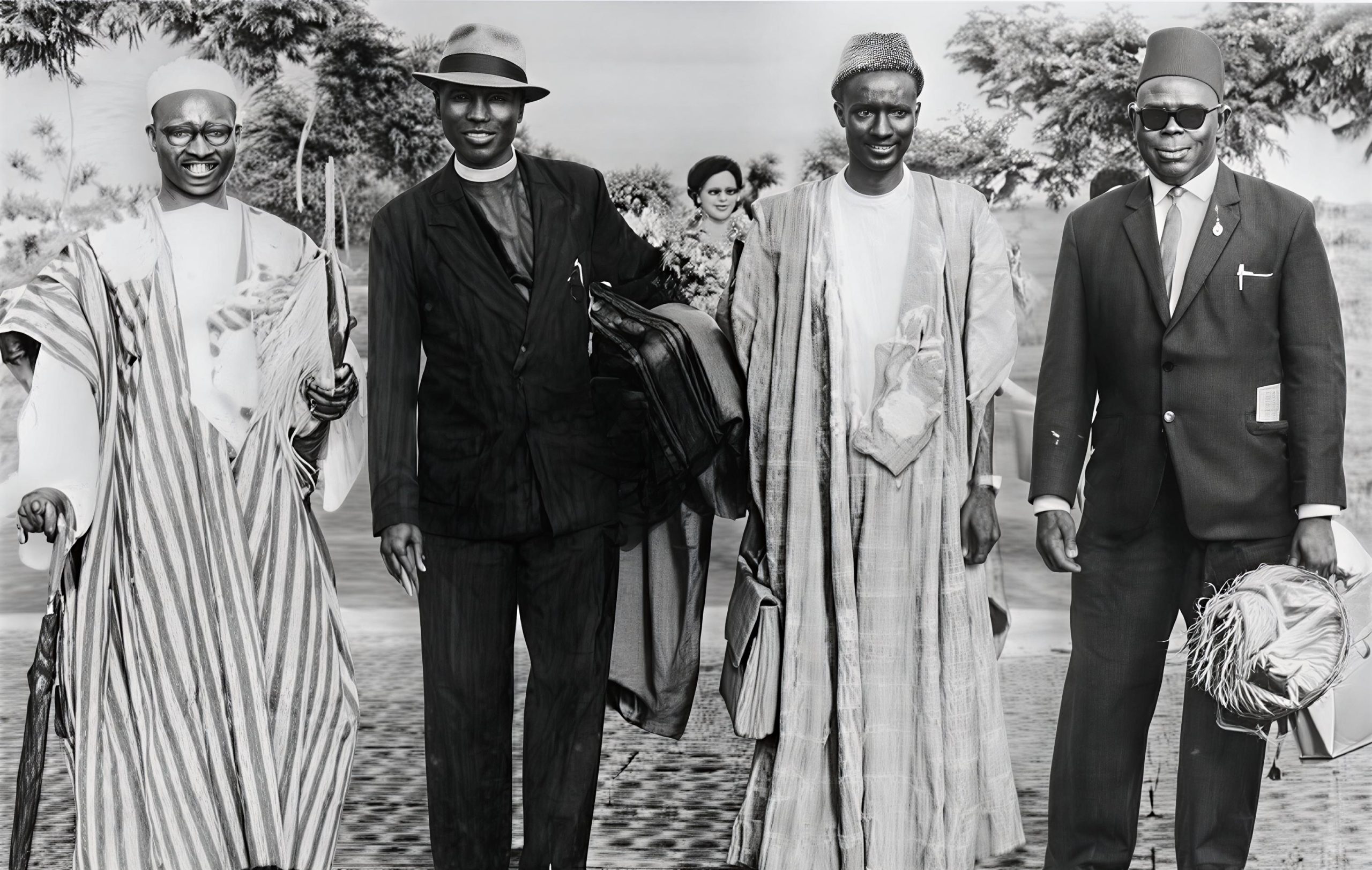
In many countries, sovereignty followed armed struggle. In The Gambia, it came through ballots and constitutional transition. That choice set a defining tone: leadership would operate within structures, and authority would be exercised under law.
Yet independence does not sustain itself. It survives only where institutions are protected and standards are upheld.
The first generation after 1965 focused on consolidation. Parliamentary practice was nurtured. A professional civil service was strengthened. Constitutional rule was embedded. The transition to a republic in 1970 signaled growing confidence in national identity and self-governance.
The events of 1994 reminded us that formal sovereignty alone does not guarantee the endurance of democratic principles. Institutions require vigilance, and history shows that national progress depends on citizens respecting accountability and established processes.
Likewise, the developments of 2016 underscored that national resilience is reinforced when citizens and leaders alike uphold procedural integrity.
Political milestones, however significant, are not enough. The deeper question is whether the culture of the nation supports the structures it has built.
There is a dimension of sovereignty that receives less attention but is equally decisive. Political authority may rest in Gambian hands, but intellectual authority must also be cultivated. A country that neglects its own expertise risks becoming independent in law while dependent in capacity.
In earlier reflections on excellence and mediocrity, I argued that nations do not decline because they lack talent. They decline when they fail to recognize, encourage, and protect it. That observation applies directly to our development journey.
Gambians serve with distinction in law, economics, engineering, medicine, technology, and public administration. Many manage complex systems abroad. Others work quietly within our institutions. Too often, however, public culture appears to reward volume over competence and familiarity over merit.
When technical matters are reduced to debate without disciplined consultation, sovereignty weakens quietly. Decisions made without expertise may satisfy immediate sentiment but undermine long-term stability.
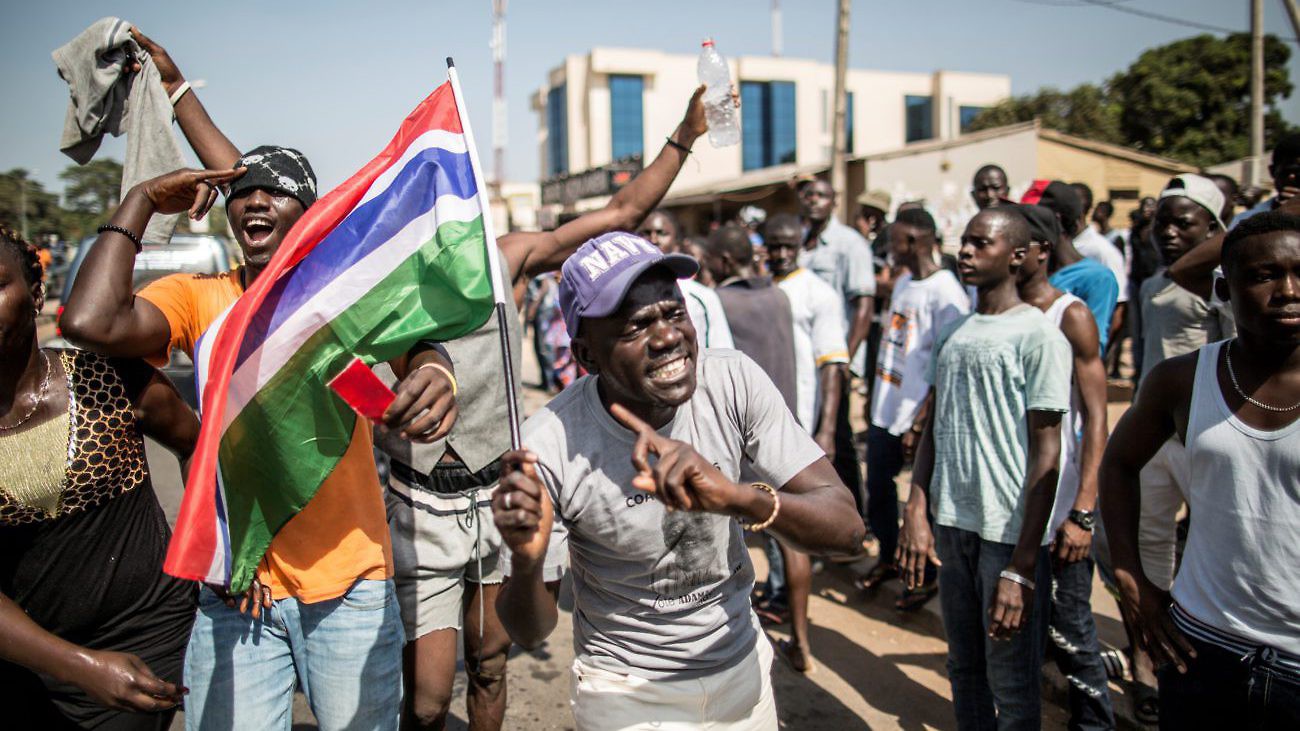
A recurring challenge in national development is the tendency to look outward for solutions while overlooking Gambians who possess comparable, or even superior, qualifications and experience.
International partnerships are valuable, but they should complement – not replace – domestic competence. Where Gambian talent exists, it must be respected, supported, and empowered to lead. Otherwise, independence risks remaining ceremonial.
True independence is inseparable from citizenship. Legal equality alone is not enough. No Gambian is more Gambian than another, and no one should be excluded from contributing to the nation on the basis of ethnicity, region, religion, or political affiliation.
Freedom is real only when every citizen has both the right and the opportunity to participate fully in the national project. A nation that respects and mobilizes its qualified citizens strengthens its institutions. A nation that sidelines its talent weakens the foundations of its freedom.
Those born long after 1965 did not witness the lowering of the colonial flag, yet they inherit the responsibility it represents. Each generation sustains freedom through vigilance, discipline, and respect for institutions. Independence is not a one-time gift; it is renewed by the choices and actions of those who follow.
True independence requires intellectual discipline. It demands the humility to ask before asserting, to consult before deciding, and to listen before concluding. It requires systems where merit is protected, where competence is not perceived as a threat, and where excellence is encouraged rather than treated as an inconvenience.
Independence is not preserved by ceremony alone. It is sustained by standards, fairness, and the courage to insist that excellence is not optional. It is tested every time conclusions are reached before consultation, every time competence is ignored, and every time mediocrity is allowed to substitute for merit.
A nation does not lose sovereignty in a single dramatic rupture. It diminishes gradually through the choices made each day. Independence was achieved in 1965. Its substance depends on whether we choose to value knowledge, discipline, and the skills of our own citizens with the seriousness that true nationhood demands.
The founders negotiated freedom within institutions. It is now our responsibility to protect those institutions through character, discipline, and respect for those equipped to strengthen them. Independence is not something we inherited once. It is something we must prove worthy of—every day.