

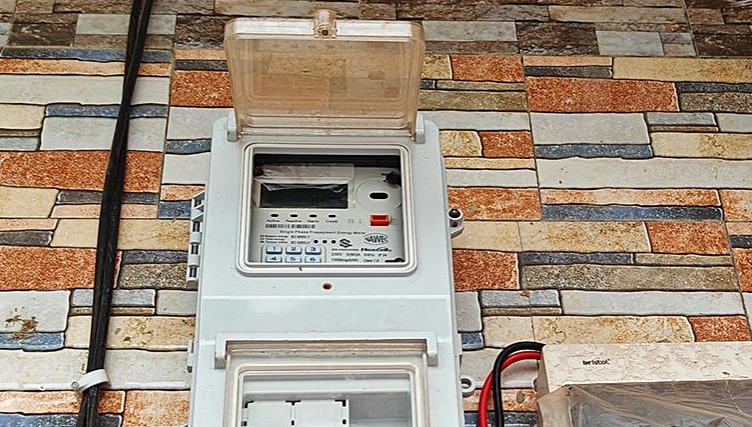



Gambiaj.com – (BANJUL, The Gambia) – For 29-year-old Fatoumata Njie, who lives in a small family compound on the outskirts of Kanifing, D100 worth of CashPower no longer lasts a full day.
“Before, D100 could take me two, sometimes three days. Now, it doesn’t even last 24 hours,” she says, switching off her fan as the evening heat settles in.
Across The Gambia, what once seemed like isolated complaints has evolved into a widespread concern. Many households say they are now rationing electricity as carefully as food, switching off fans, unplugging refrigerators, dimming lights, and limiting phone charging to stretch their prepaid units.
In Bundung, carpenter Mustapha Darboe says the situation is directly affecting his income.
“When the power goes, my machines stop. I cannot work. I cannot earn,” he explains. “How can I pay for electricity if electricity is stopping me from working?”
For families with school-going children, evenings have become a balancing act between conserving units and maintaining a conducive environment for study. Na Ceesay, a mother of four in Tallinding, describes her nightly routine.
“We turn everything off, no lights, no TV, no fan. Only a small bulb in the corridor. If we don’t do that, the units will finish before morning. The children complain, but what can we do?” she says.
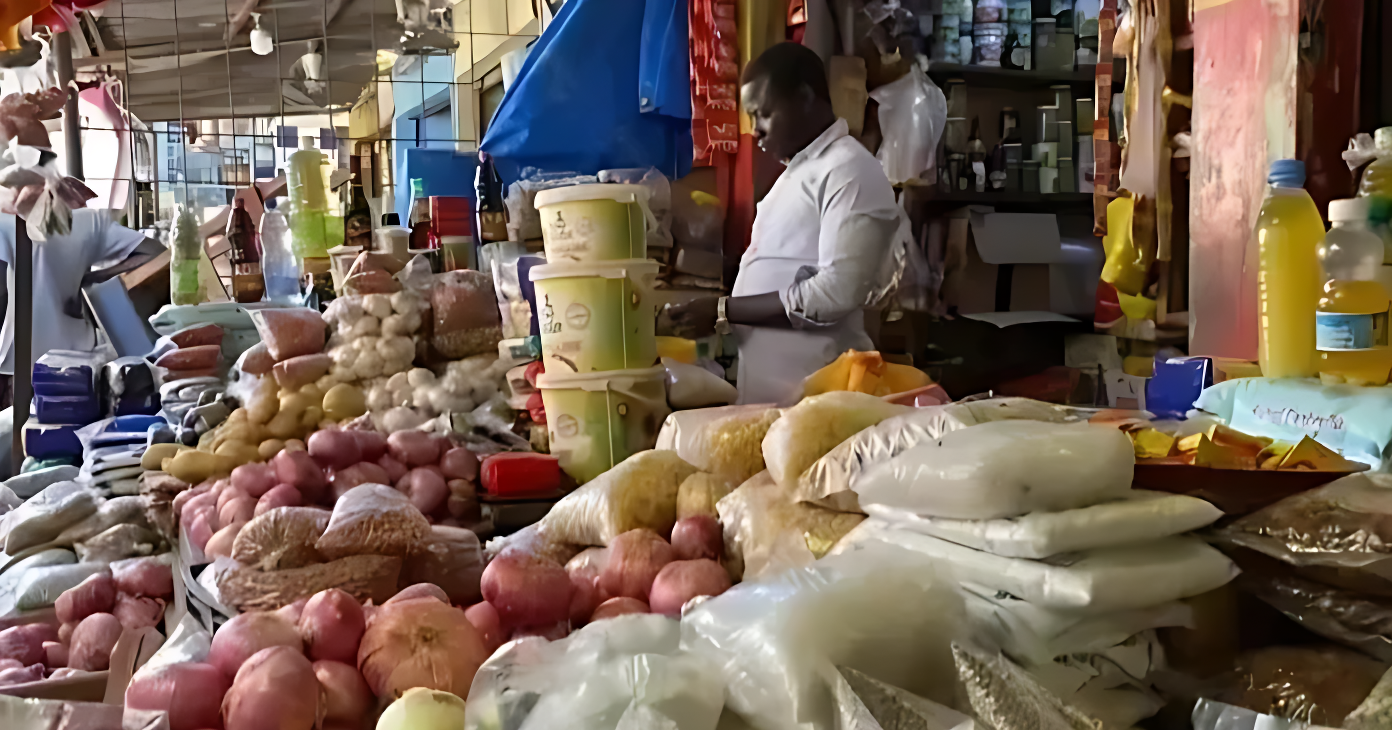
Vendors at CashPower kiosks also report a noticeable shift in purchasing patterns. Customers who once bought D500 or more at a time now frequently opt for smaller amounts such as D100 or D50.
For many, each top-up has become a source of anxiety, with households closely monitoring their meters throughout the day.
The impact extends beyond comfort. Reduced electricity availability affects productivity, small businesses, children’s education, household routines, and even sleep quality. For low- and middle-income families already grappling with rising living costs, the faster depletion of CashPower units adds further strain to monthly budgets.
In the current socio-economic climate, electricity, once considered a basic household necessity, is increasingly perceived by many as a costly commodity.
Standing by her blinking meter, Fatoumata reflects on the new reality: “It’s not about comfort anymore. It’s about survival. Pure survival.”