

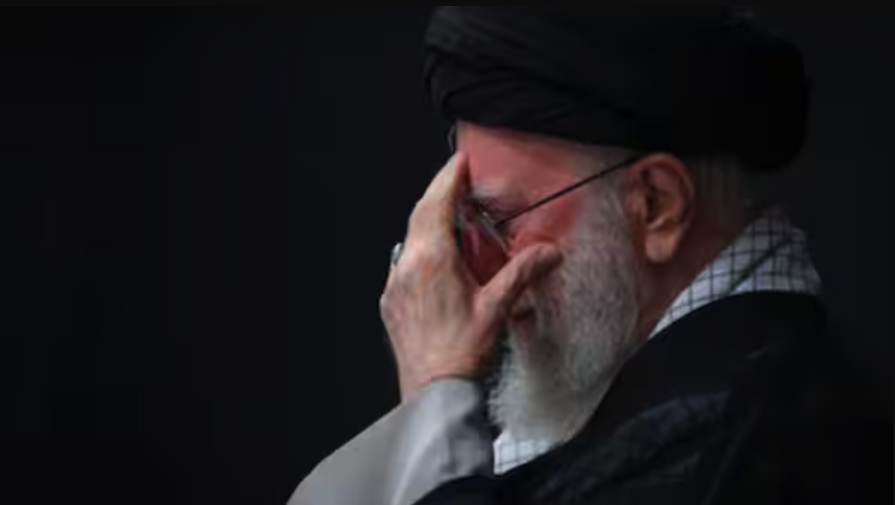
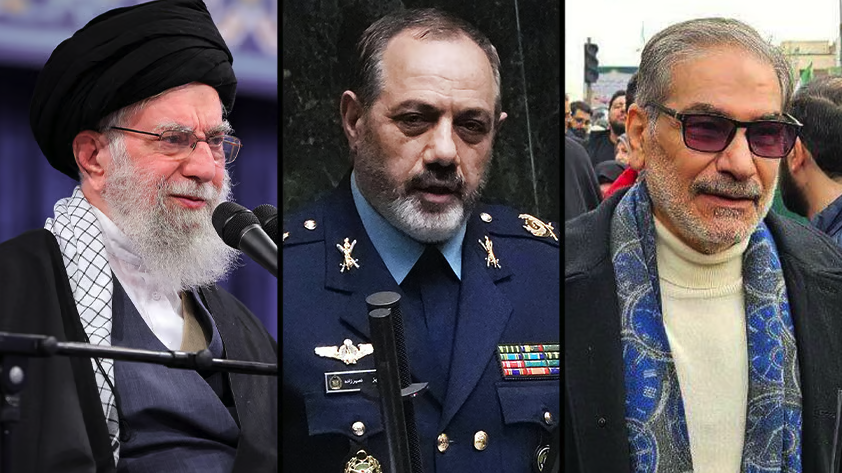
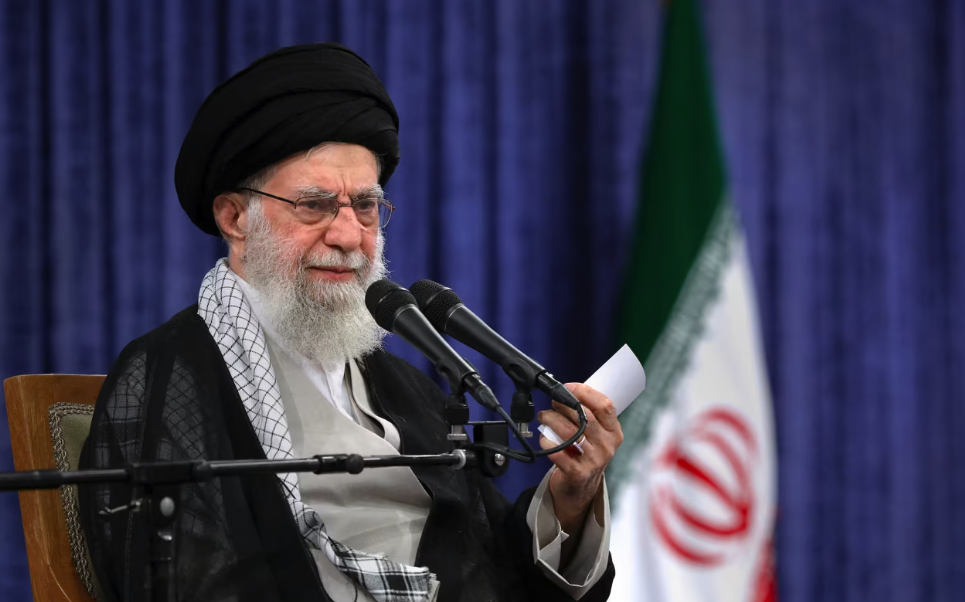
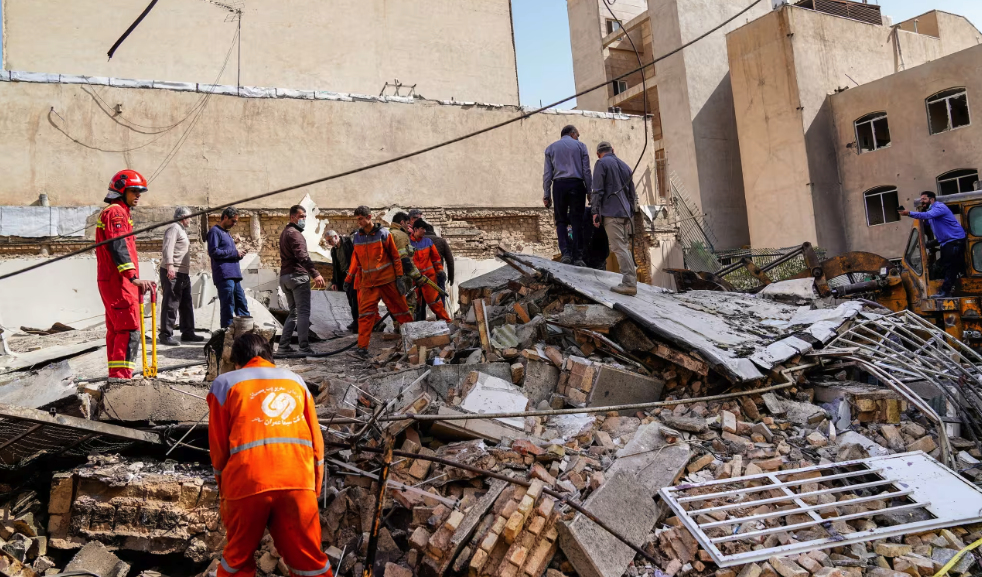
Gambiaj.com – (TEHRAN, Iran) – Iran’s government has officially confirmed that Supreme Leader Ayatollah Ali Khamenei, the Islamic Republic’s most powerful figure since 1989, was killed in a joint United States–Israel military offensive launched against targets in Iran.
The state broadcaster announced early Sunday that “the Supreme Leader of Iran Has Reached Martyrdom.”
The IRIB TV presenter shared the news in a tearful address and declared 40 days of national mourning for the Iranian supreme leader. The State media added that more than 200 people were killed in the strikes.
The announcement followed hours of intense speculation after senior counterparts in Israel and Washington publicly asserted that Khamenei had been killed in Israeli airstrikes on Saturday morning.
Hours before Tehran’s official confirmation, former U.S. President Donald Trump said on social media that Khamenei had died as part of what he described as a campaign to dismantle Iran’s leadership and neutralize perceived threats.
Trump called Khamenei “one of the most evil people in history” and framed the development as “justice for the people of Iran and others around the world.”
Iranian state media reported that members of Khamenei’s family, including his daughter, son-in-law, and granddaughter, were among those killed in the strikes, underscoring the personal and national toll of the assault.
Khamenei, 86, succeeded Ayatollah Ruhollah Khomeini, the architect of Iran’s 1979 Islamic Revolution, and led the country’s intricate theocratic system for more than three decades.
As supreme leader, he served as head of state and commander-in-chief of the armed forces, including the elite Islamic Revolutionary Guard Corps, with the authority to veto public policy and influence political appointments across the state.
Within Iran, Khamenei’s presence was omnipresent: his image dominated public spaces, and state media chronicled his daily engagements. For younger generations of Iranians, he was the only supreme leader they had ever known.
The circumstances of his death, during a dramatic escalation in U.S.–Israeli military operations, mark a watershed moment for Iran and the wider Middle East.
Analysts warn that the sudden removal of such a central figure could trigger political instability within Iran, intensify regional conflict dynamics, and complicate international diplomacy.
At home and abroad, leaders and populations are now reckoning with the strategic and humanitarian consequences of this unprecedented strike. Iranian forces have already launched missiles and drones at Israeli and U.S. targets in retaliation, raising fears of a broader conflagration.