


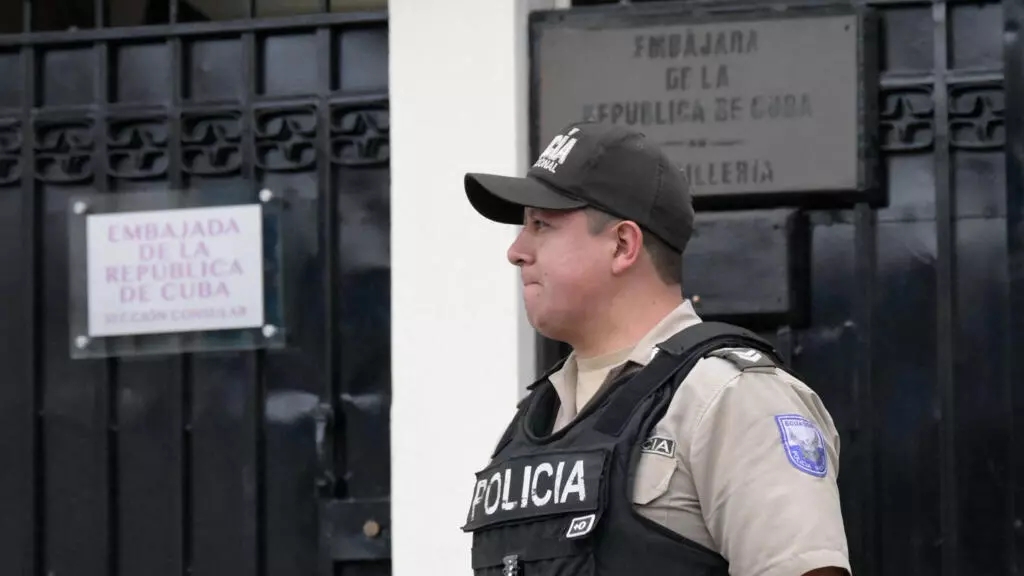
Gambiaj.com – (QUITO, Ecuador) – The Government of Ecuador on Wednesday, 4 March 2026 ordered the expulsion of Cuba’s ambassador to Ecuador, Basilio Antonio Gutiérrez García, along with the entire Cuban diplomatic mission in Quito, giving them 48 hours to depart the country, the Ecuadorian Ministry of Foreign Affairs announced in an official statement.
The decision, communicated through a diplomatic note, declared Ambassador Gutiérrez and all accredited diplomatic, consular, and administrative staff “persona non grata” under Article 9 of the Vienna Convention on Diplomatic Relations, a provision that allows a host state to expel foreign diplomats without providing specific reasons.
Ecuador’s foreign ministry did not publicly detail its motivations for the move. It came days after President Daniel Noboa, a regional ally of U.S. President Donald Trump, also terminated the assignment of Ecuador’s ambassador in Havana, signaling a marked shift in Quito’s diplomatic posture.
Cuban Government Denounces Expulsion as “Hostile”
The Cuban government swiftly condemned Ecuador’s action as “arbitrary and unjustified,” labeling it a “hostile and unprecedented act” that seriously damages long-standing relations of friendship and cooperation between the two nations, according to a statement from Cuba’s Foreign Ministry.
Havana rejected any suggestion its diplomats interfered in Ecuador’s domestic affairs, asserting they strictly complied with local laws.
Cuba’s authorities also suggested the timing of the expulsion was unlikely to be coincidental, pointing to heightened U.S. pressure on third countries to align with Washington’s Cuba policy ahead of a regional summit scheduled in Miami on 7 March.
Rising Tensions and Broader Regional Context
The expulsion adds to a series of diplomatic strains involving Ecuador under President Noboa’s administration. In Quito, images shared on social platforms showed a military presence around the Cuban embassy following the announcement, underscoring the tense atmosphere surrounding the order.
The move occurs against a backdrop of increasing U.S. engagement in Latin America, including an upcoming meeting in Miami with several regional leaders, including those from Argentina, Paraguay, Bolivia, El Salvador, and Honduras, focused on geopolitical issues such as China’s influence on the continent and closer cooperation with Washington.
The diplomatic rupture with Havana, rare between two historically friendly states, raises questions about the future of Ecuador-Cuba bilateral relations and reflects broader geopolitical currents in the hemisphere.