




Gambiaj.com – (BANJUL, The Gambia) – The National Assembly has approved the withdrawal of the Vetting Bill, 2023, following a heated procedural debate that exposed tensions over the balance of authority between the executive, parliamentary committees, and the plenary.
The controversy arose after Honourable Sainey Jawara, Member for Lower Saloum, raised a Point of Order challenging the legality of withdrawing a bill that had already been referred to a committee.
Citing Order 76(1) of the Standing Orders, Jawara argued that while a bill may be withdrawn at any stage before its Third Reading, the rule expressly excludes situations “when the bill is before a Committee.”
Jawara maintained that this provision should prevent the government from halting the legislative process once a bill has entered the committee stage, describing such a move as inconsistent with the Assembly’s procedural framework.
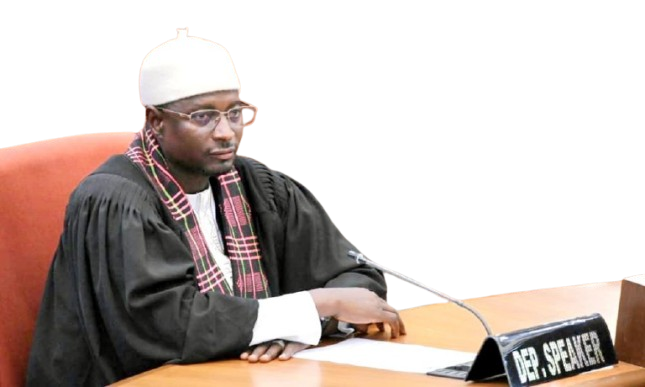
In his ruling, Deputy Speaker Seedy Njie dismissed the objection and clarified the hierarchy of parliamentary authority. He stated that committees operate as subordinate organs of the Assembly and derive their mandate from the plenary, which in turn is established under the Constitution.
The Deputy Speaker warned that interpreting Order 76(1) to bar withdrawal after committee referral would effectively elevate committee procedure above the authority of the full Assembly and introduce undue rigidity into legislative practice.
He explained that the clause is intended to prevent disruption of active committee work, not to strip the plenary of its ultimate control over legislation.
According to Deputy Speaker Njie, compelling a committee to continue deliberations on a bill that the sponsoring authority no longer supports would result in unnecessary expenditure of public funds, staff time, and parliamentary resources.
He further confirmed that Attorney General and Minister for Justice Dawda Jallow had complied with all procedural requirements for withdrawal, including issuing the requisite notice to the Assembly.
The Deouty Speaker also referenced established practice within the National Assembly and comparative precedents from other Commonwealth jurisdictions, emphasizing that parliament retains control over its legislative agenda up to the third reading stage.
Following the ruling, the Assembly voted to approve the withdrawal of the Vetting Bill, 2023, thereby overruling Jawara’s point of order.
While the decision affirms the executive’s ability to halt legislation before final passage, it has prompted broader questions among some lawmakers regarding the scope of parliamentary oversight and the practical limits of committee independence within the legislative process.