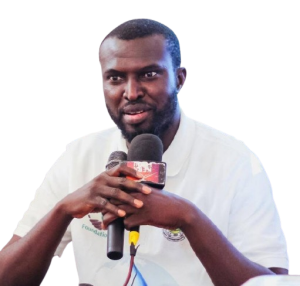


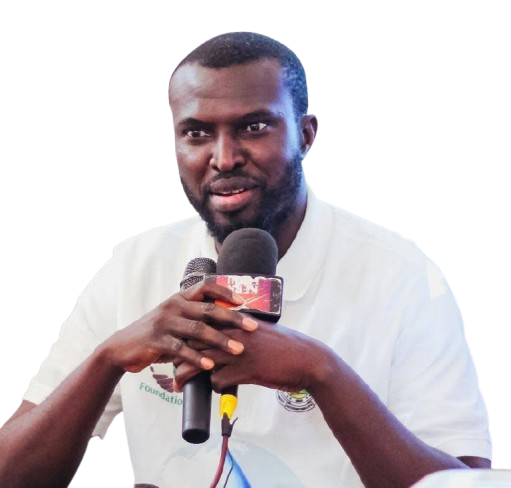
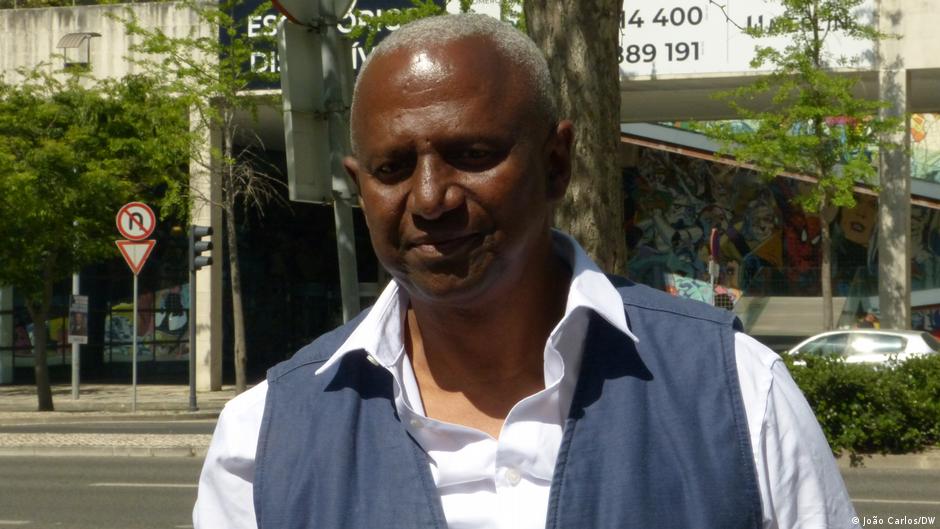
Gambiaj.com – (ABUJA, Nigeria) – Manuel do Nascimento Lopes, a Guinea-Bissau lawmaker better known as “Manelinho,” has launched fresh allegations against Senegal and the Economic Community of West African States (ECOWAS), accusing them of failing to restore constitutional order in his country following the November 26, 2025, military coup.
Speaking to Deutsche Welle after being cleared in Portugal of alleged drug trafficking charges, Lopes claimed that regional inaction was deliberate and predicted that no legislative or presidential elections would take place in December as proposed by the coup leader.
From Drug Trafficking Allegations to Political Exile
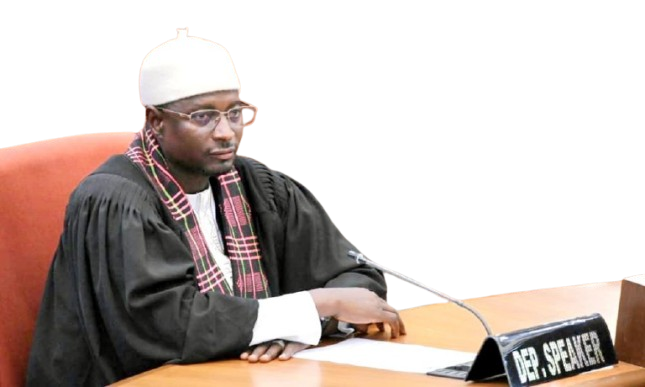
Lopes, a member of Guinea-Bissau’s delegation to the Parliament of the Economic Community of West African States (ECOWAS), was arrested in Portugal in connection with alleged drug trafficking. He has since been cleared of the charges, which he describes as a “political setup.”
He attributes the case to former President Umaro Sissoco Embaló, whom he accuses of orchestrating his persecution.
Lopes said he has been living in refuge in Abuja, Nigeria, since November, claiming he cannot safely return to Guinea-Bissau because of his categorical rejection of what he calls a “fabricated coup.”
The politician, who is the son of a Guinea-Bissau army general, insists that the November 26 events were not a genuine coup d’état but rather a staged operation designed to consolidate power.
Accusations Against Senegal and ECOWAS
Lopes directed sharp criticism at the ECOWAS Commission, questioning why the regional bloc failed to act decisively in Guinea-Bissau.
“In 72 hours they restored constitutional order in Benin. And Guinea-Bissau? With 700 armed ECOWAS forces, they did nothing,” he said.
He went further, alleging that Senegal blocked a potential ECOWAS military intervention to reverse the coup and reinstate constitutional governance.
“Because we all know that it was Senegal that prevented the intervention of ECOWAS forces to restore constitutional order in Guinea-Bissau,” Lopes claimed, without presenting evidence to substantiate the allegation.
His remarks come amid a broader political crisis triggered by the coup led by Major General Horta Inta-a, who has since proposed holding legislative and presidential elections in December 2026.
Constitutional Changes and Power Consolidation
Lopes also criticized proposed constitutional and electoral law reforms, arguing that they would concentrate excessive authority in the presidency.
“Why do they want to change our Constitution so that the President is the sole holder of power, appointing the Prime Minister, the Minister of Defense, and other members of the government? I will never agree to that,” he stated.
He expressed serious doubts about the feasibility of a rapid return to constitutional order, citing both legal changes and institutional instability.
“No Elections in December”
The exiled lawmaker dismissed the prospect of elections taking place in December as unrealistic.
“No elections of any kind, whether legislative or presidential, will be held in Guinea-Bissau in December. Funds and a stable economy are needed to organize elections,” he said.
According to Lopes, the country lacks the financial resources and macroeconomic stability required to conduct credible polls within a year of the coup.
While opposing prolonged military rule, he proposed what he described as a temporary ECOWAS-led military intervention to restore constitutional order and establish a transitional government.
“I agree with the inclusion of a transitional government, but without elements from the previous government of Umaro Sissoco Embaló. Because if they remain in power, what will they do? Manipulate the elections,” he argued.
On Embaló’s Political Future
Lopes also dismissed any speculation about Embaló’s political comeback, asserting that the former president would never return to power.
“They want to make Sissoco return to Guinea-Bissau, but that’s impossible,” he said. “I have nothing personally against Sissoco, but I was persecuted for more than a year and eight months.”
His comments underscore the deep divisions within Guinea-Bissau’s political class, as the country grapples with uncertainty over its constitutional future, regional diplomacy, and the credibility of any proposed electoral timetable.