


Gambiaj.com – (BANJUL, The Gambia) – My dear Banjulians, and all sons and daughters of this land—from the Atlantic breeze of our capital to the banks of Kartong, and up to Koina where the river narrows and history whispers.
I speak to you this Christmas not as a politician, not as a financier, and certainly not as a praise-singer. I speak to you as an old man who has seen the seasons of this nation turn for eight decades. I have seen it all.
I was born as Waa Banjul when poverty was real, naked, and unapologetic; when the colonial order was, for the African, a systematic disorder. Yet, even when Bathurst was small and constrained, it was dignified. I grew up here, was educated here, and served here.
As a teacher and a civil servant, I was posted to the furthest corners of our map—from Kartong to Koina—because, in my generation, service was a sacred duty, not an entitlement. We had very little in those days, but we had a sense of direction.
Culture as the Soul of a City
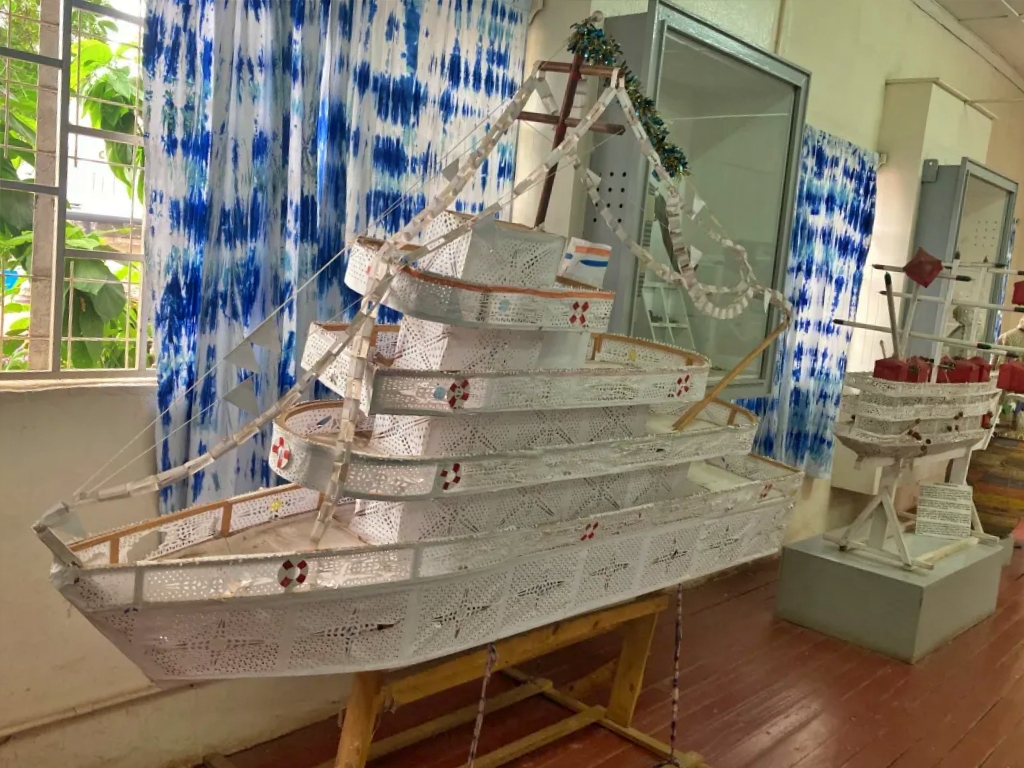
As I look at the current Banjul Cultural Festival program—the masquerades reclaiming our streets, the glowing fanals, the wrestling matches on the beach, and the regatta cutting through our waters—I cannot help but smile. My joy is not because these sights are new, but because they are a mirror. They remind us of who we used to be.
In my youth, culture was never a “project.” It was life itself. We danced not for funding, but for belonging. We wrestled not for television cameras, but for honor. We gathered not for optics, but for the preservation of community. This festival, held from December 25th to January 1st, should do more than just entertain us. It should confront us.
The Anatomy of Decline
Let me speak plainly, with the bluntness that old age permits: Banjul did not decline for a lack of prayers. Banjul declined because of a lack of responsibility.
Somewhere along the way, we replaced planning with patience. We traded discipline for excuses and swapped leadership for empty applause. We fell into the dangerous delusion that God will fix what we refuse to organize, the government will build what the citizens abandon, outsiders will value what the natives neglect, that is not faith, and that is surrender dressed in religious garb.
The Lessons of Exposure
Many of our leaders today have lived in Europe and America. I do not fault them for this; exposure is a gift. I, too, traveled within this country and abroad, observing how order is created—not by noise, but by rules, enforcement, and shared sacrifice.
What pains me is the paradox of our era: knowing exactly how a functional city works, yet refusing to make Banjul work. A capital city cannot survive on tolerance alone. It requires structure. It requires the courage of its convictions. It needs citizens who look at a crumbling facade or a blocked drain and say, “This is ours; we will fix it.“
Beyond the Fireworks
This festival must not end when the last firework fades into the night sky over the Arch. Let it be a catalyst.
If the masquerades remind us that our ancestors organized themselves without modern ministries, then we can organize our neighborhoods. If the regatta proves the sea is an economy and not just a backdrop, let us harness it. If the wrestling shows that strength requires training, let us apply that rigor to our civic lives.
If we can organize a week-long festival of this magnitude, we have the capacity to organize a city.
My Christmas Wish
My children and grandchildren, I implore you: Do not hand Banjul over to fate. Do not wait for a President to love your city more than you do. Do not confuse the roar of a celebration with the quiet hum of progress.
When the drums fade and the New Year sun rises, pick up the harder work, demand urban planning, demand fiscal accountability, demand local investment, and demand leadership with a backbone.
Banjul raised us. It is now our turn to raise Banjul.
I have taught children who became ministers. I have served governments that no longer exist. I have walked streets that once shone and now struggle. Yet, I remain hopeful. Cities do not die from age; they die from indifference.
This Christmas, choose care over complacency. Choose order over chaos. Choose action over empty faith.
Merry Christmas, Waa Banjul. May this be the season we remember—and the moment we begin again.
2 Responses
I agree with you 100 percent
I was born in half die no 6 Dobson street and remember those days
Happy new year