

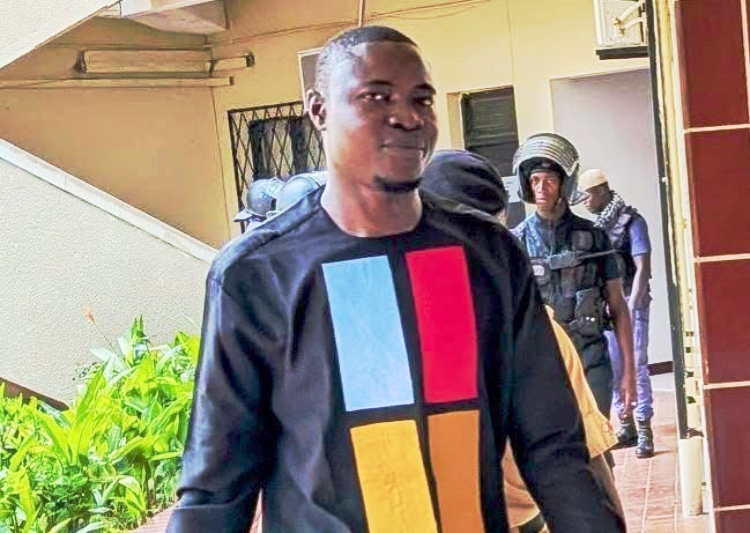

Gambiaj.com – (BANJUL, The Gambia) – Former Lead Counsel of the Janneh Commission, Amie Bensouda, on Thursday reappeared before the National Assembly’s Special Select Committee investigating the recovery and management of assets belonging to former President Yahya Jammeh and his close associates.
Committee members pressed the veteran lawyer over what they described as her central role in the Commission’s operations, particularly claims that she led the investigation team.
Lawmakers cited several documents, including her engagement letter from the Ministry of Justice and a July 20, 2017, correspondence outlining her responsibilities in the “coordination of investigations” and “compilation of all evidence” relating to the Commission’s work.
But Bensouda firmly rejected any suggestion that she headed the investigators, maintaining that her role was strictly legal.
“The investigators were independent,” she told the committee. “My work was to review reports, assess evidence, and ensure the Commission’s findings were legally sound. I did not direct the investigation team.”
She explained that her position as Lead Counsel was necessitated by the 1997 Constitution, which grants commissions of inquiry quasi-judicial powers to issue findings equivalent to court judgments—findings that could be appealed to the Court of Appeal.
Because of this, she argued, the Commission required a lawyer to ensure due process and guide its work.
However, the committee referenced internal memos and correspondence that appeared to show her coordinating both legal and investigative teams. One such document, dated July 11, 2018, listed 12 staff members under “Counsel Team and Contacts,” which lawmakers said reflected overlapping authority.
Bensouda said she did not recall signing that memo and insisted that any coordination with investigators was administrative rather than supervisory.
Tensions rose during the hearing when Bensouda questioned the committee’s line of inquiry, arguing that the panel was mandated to review asset recovery and management—not her appointment or functions during the Commission.
“I have the feeling of someone being blindsided,” she told lawmakers. “I came here to give evidence on assets, but it seems my appointment and role are being questioned. Your powers are not infinite; I have rights as a witness.”
She cited Sections 109(3) and 119(1) of the Constitution, which she said safeguard the rights of witnesses appearing before parliamentary committees.
The committee chairperson maintained that the panel was acting within its constitutional powers and would continue examining issues surrounding the Janneh Commission’s operations and the management of recovered assets.
The Janneh Commission, established in 2017, investigated the financial dealings of public bodies, enterprises, and offices linked to former President Yahya Jammeh. Its findings led to several adverse rulings and recommendations for asset recovery.
The Special Select Committee is now assessing how those assets have been managed since the Commission concluded its work.