

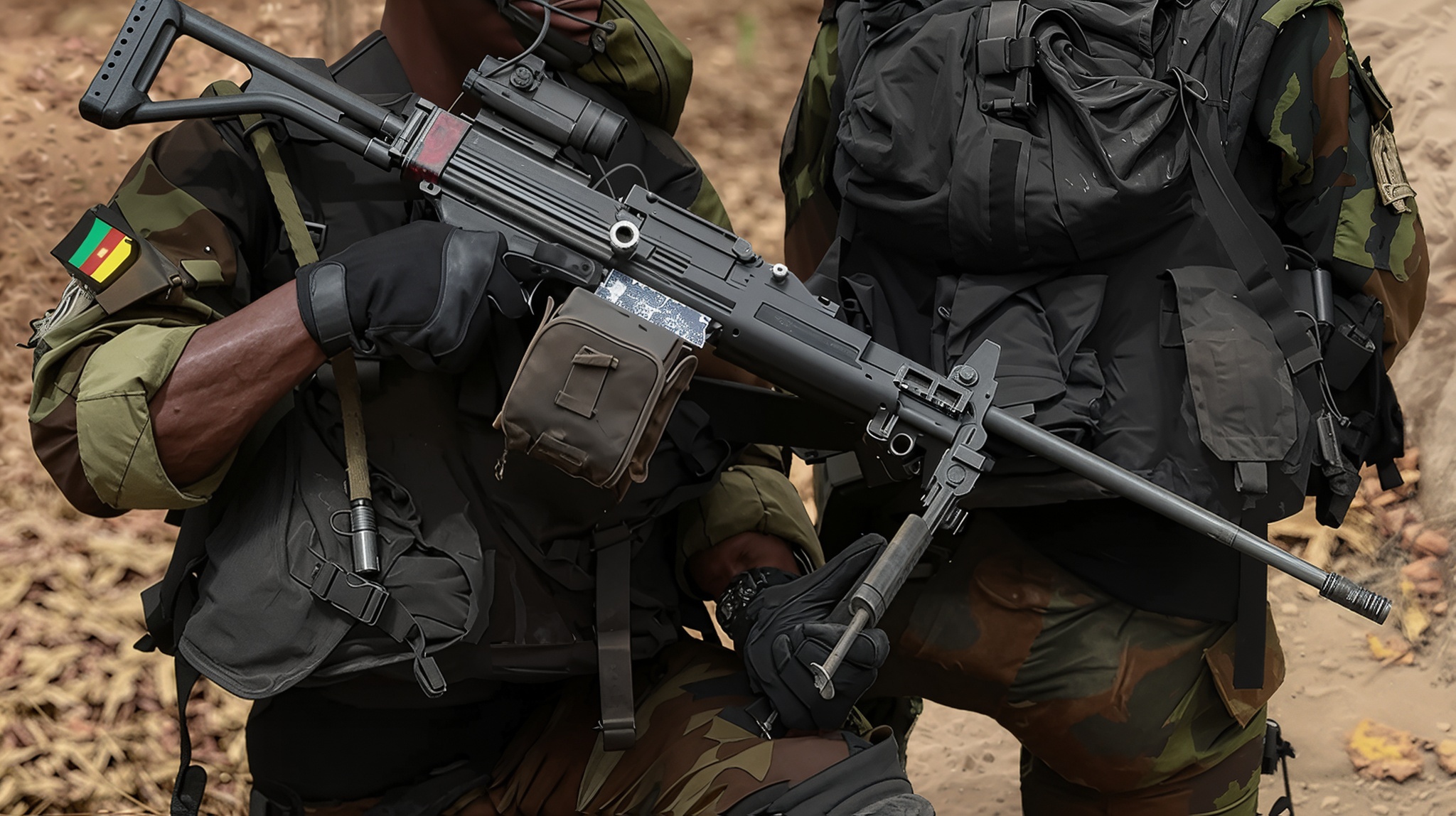
Gambiaj.com – (DOUALA, Cameroon) – A military court in Cameroon has sentenced three soldiers to prison terms ranging from five to 10 years for their role in the killing of at least 21 civilians in the village of Ngarbuh, in the conflict-hit Northwest region, in a rare conviction of military personnel for crimes against civilians.
The sentences, handed down on Thursday evening, relate to the 14 February 2020 raid in which soldiers, supported by a local militia of ethnic Fulanis, attacked the village, killing civilians, burning homes, and assaulting residents. According to Human Rights Watch, the victims included 13 children.
A militia member was also sentenced to prison after being found guilty of murder, arson and destruction.
The case marked an unusual instance in Cameroon, where members of the armed forces are seldom prosecuted or convicted for abuses against civilians, particularly in the country’s Anglophone regions, which have been engulfed in separatist conflict for nearly a decade.
However, lawyers representing the victims expressed deep disappointment with the court’s decision, arguing the punishments did not reflect the gravity of the killings.
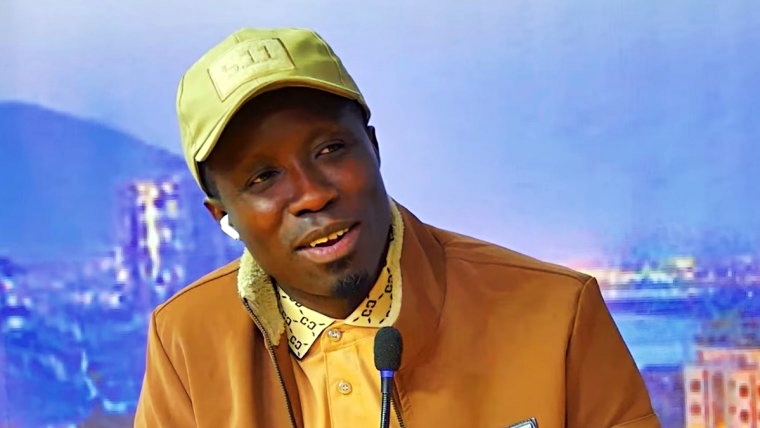
“The sentence was so mild, I even qualify it as friendly because we are talking of a massacre,” one of the victims’ lawyers, Sother Menkem, told the BBC.
Menkem noted that Cameroonian law provides for a minimum sentence of 10 years for crimes such as murder and arson, adding that he had expected at least 30 years in prison. “They instilled much fear in the inhabitants of that area,” he said.
Another lawyer, Richard Tamfu, criticized the military court’s decision to reject the victims’ demand for compensation.
Human rights groups and legal representatives also faulted the trial for failing to prosecute senior military officers, arguing the convicted soldiers were acting under orders from their superiors.
Lawyers for the accused soldiers, however, maintained that their clients were carrying out their duties.
The Ngarbuh killings triggered international outrage and initially drew denials from the government. Authorities later acknowledged the military’s responsibility following an investigation ordered by President Paul Biya amid mounting international pressure.
The trial took six years to conclude, after multiple postponements.
Cameroon’s English-speaking Northwest and Southwest regions have been the epicenter of a separatist insurgency since 2017, with rebels seeking to create an independent state. Human rights organizations have accused both government forces and separatist fighters of committing widespread abuses.
According to the United Nations, the conflict has killed at least 6,000 people and displaced more than half a million others, underscoring the deep human toll of one of Africa’s most protracted crises.