





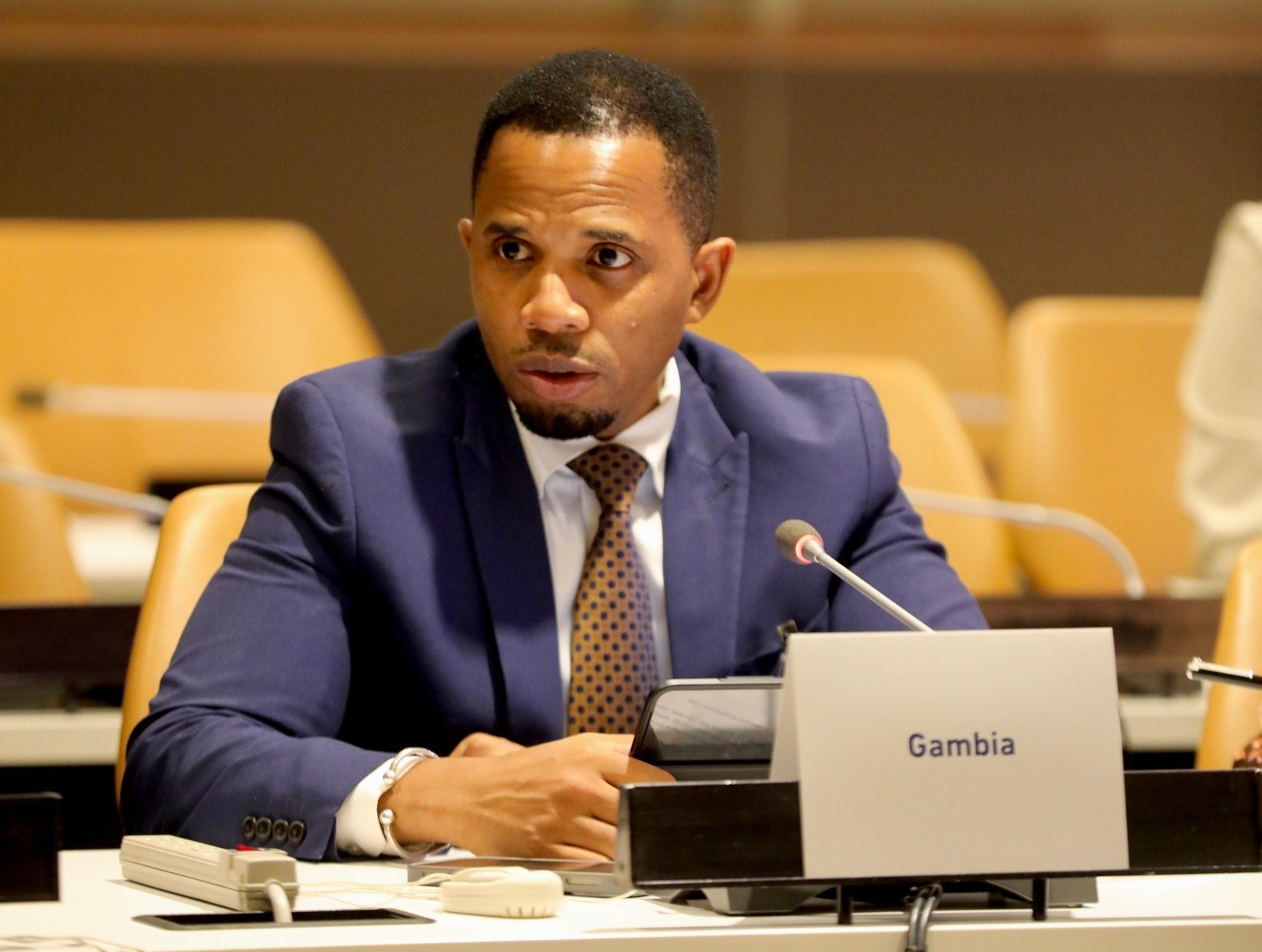

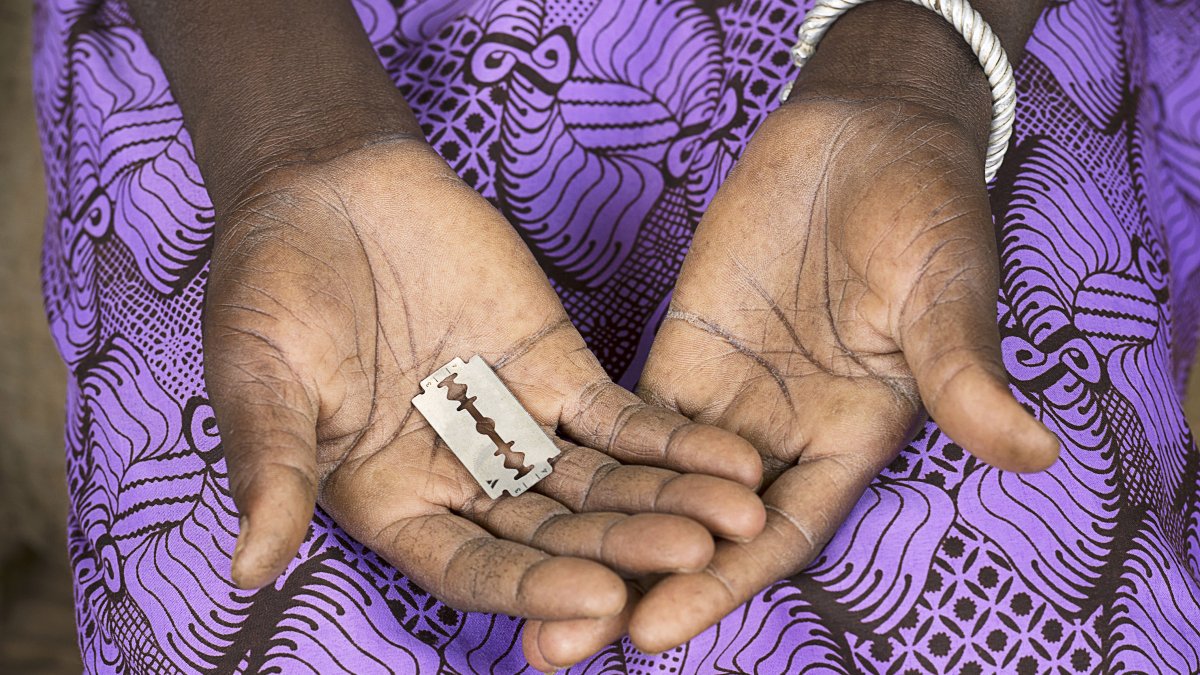
Gambiaj.com – (BANJUL, The Gambia) – The CSO Coalition Against Female Genital Mutilation (FGM) has issued a stern call to the Supreme Court of The Gambia, urging the judiciary to uphold the legal protections for women and girls as a constitutional challenge against the FGM ban intensifies.
In a press statement released Tuesday, the coalition expressed “deep concern” over a petition seeking to invalidate Sections 32A and 32B of the Women’s Act 2010 (as amended in 2015), which criminalize the practice.
A Conflict of “Rights“
The petition, championed by pro-FGM advocates including National Assembly Member Almameh Gibba, argues that the current ban infringes upon cultural and religious freedoms.
The Supreme Court has recently been hearing testimony from figures such as Imam Abdoulie Fatty, who has advocated for the legality of certain forms of the practice.
However, the CSO Coalition—comprising groups such as GAMCOTRAP, TANGO, and the Network Against Gender-Based Violence—countered that FGM is a severe form of gender-based violence.
“FGM causes irreversible lifelong physical and psychological impacts, including severe pain, hemorrhage, infection, infertility, and even death,” the coalition stated. “It is performed with absolutely no medical benefit.”
“Not an Abstract Debate”
The coalition highlighted the high stakes of the legal battle, pointing to the recent tragic deaths of a one-month-old and a three-week-old infant following FGM procedures.
“These deaths remind us that this is not an abstract debate; it is a matter of life and death for Gambian girls and a severe violation of children’s rights,” the statement read.
The group argued that protecting citizens from such harm is a “moral imperative” and a constitutional duty that the State cannot waive. They further noted that The Gambia is bound by international treaties, including CEDAW, the Maputo Protocol, and the Convention on the Rights of the Child, all of which mandate the elimination of harmful traditional practices.
Respecting Legislative Will
The statement also lauded the National Assembly’s recent decision to maintain the ban. Following an inclusive national debate involving religious leaders, survivors, and activists, lawmakers voted decisively earlier this year to reject a bill that sought to decriminalize the practice.
The coalition framed the Supreme Court’s upcoming decision as a litmus test for the country’s democratic progress.
Since 2017, The Gambia has been recognized globally for its efforts to restore the rule of law. Retaining the FGM ban, the group argues, is essential to consolidating those democratic gains.
The State of the Struggle
Despite the 2015 criminalization, FGM prevalence remains high in The Gambia, with approximately 73% of women aged 15–49 having undergone the procedure. However, data suggests a decline among younger girls due to sustained advocacy and community dialogues led by the UNFPA-UNICEF Joint Programme and local partners.
The coalition concluded with a powerful appeal to the bench: “The fight against FGM is not a fight against culture or religion, but a fight for life, dignity, and equality. The Gambia’s democratic renewal must be anchored in the protection of all its citizens, especially women and girls.”