

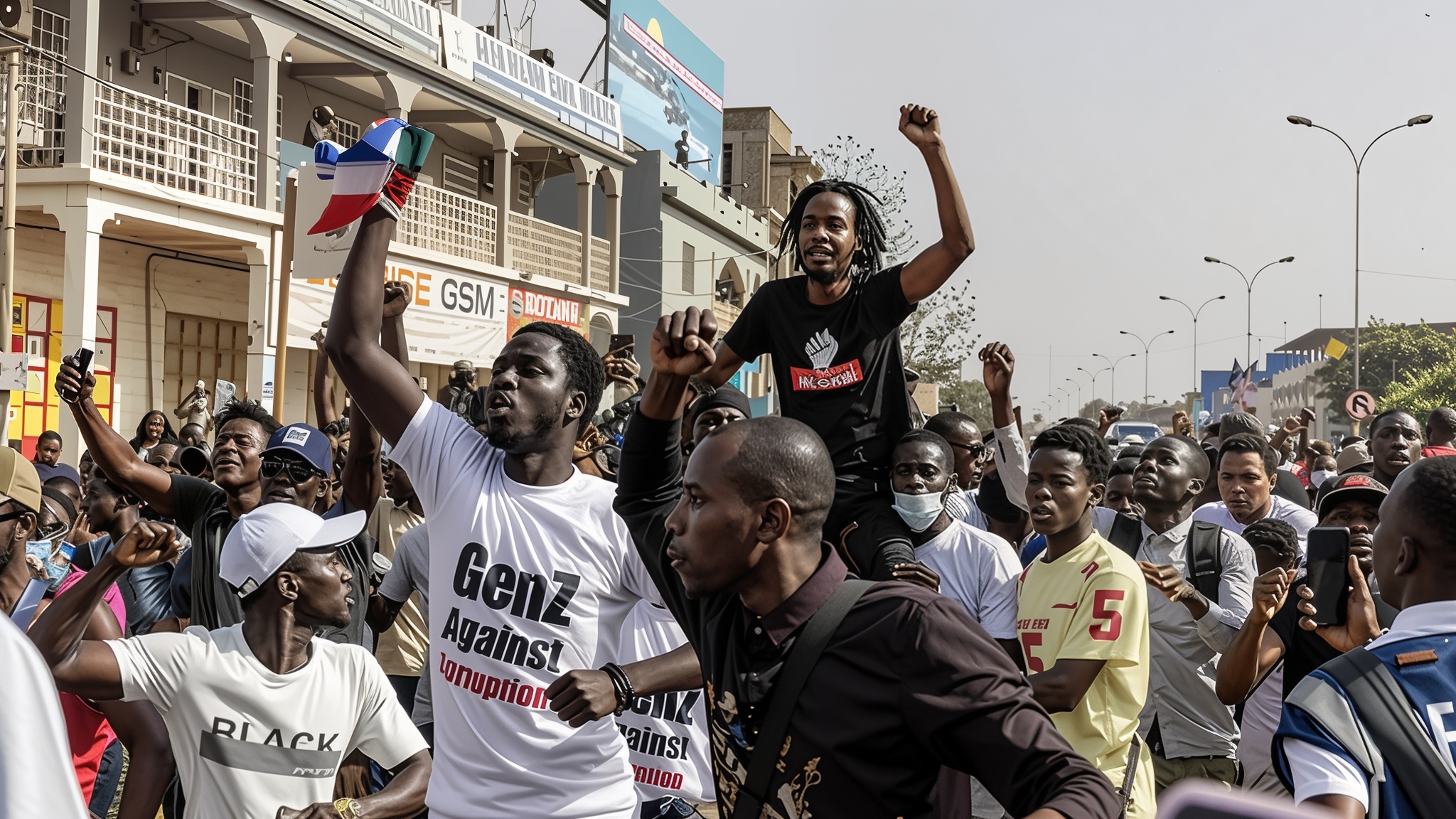
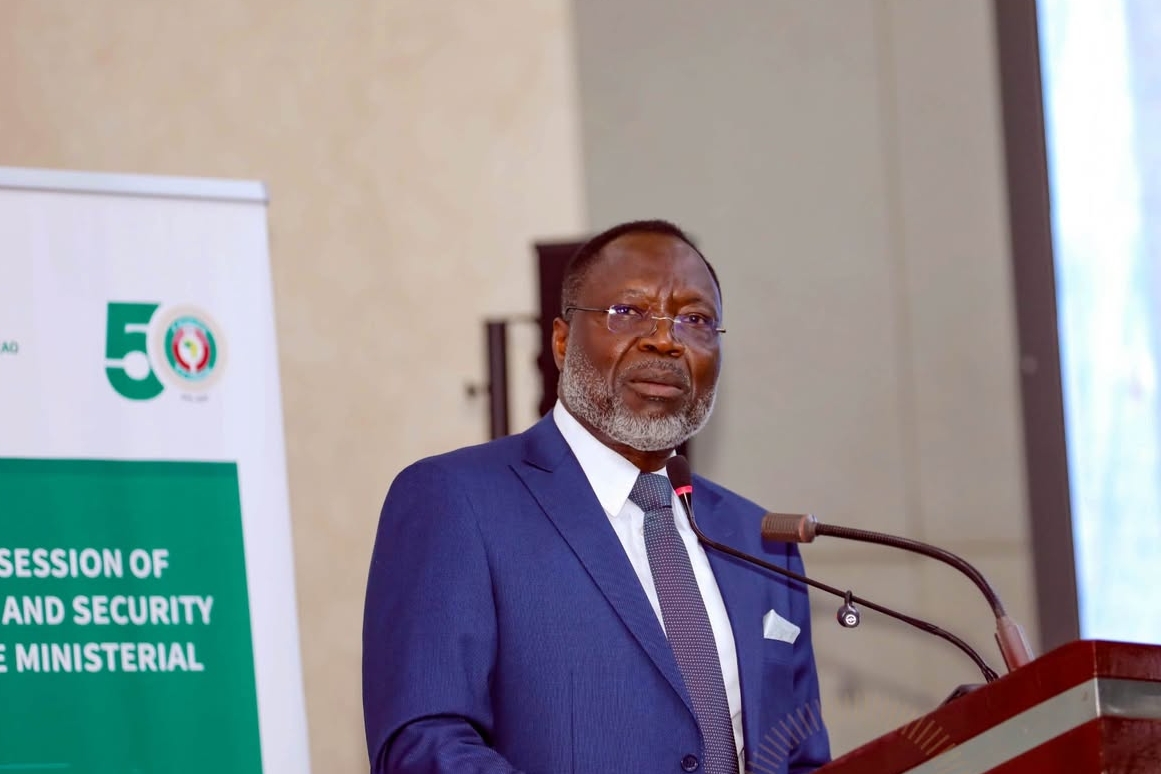
Gambiaj.com – (ABUJA, Nigeria) – West Africa is facing an unprecedented political and security crisis marked by coups, attempted coups, and escalating instability across several member states, the President of the ECOWAS Commission, Dr. Omar Alieu Touray, warned on Tuesday.
Speaking at the 55th Ordinary Session of the Mediation and Security Council at the ministerial level in Abuja, Nigeria, Dr. Touray said the region is experiencing a “growing erosion of electoral inclusivity” and a sharp decline in adherence to constitutional principles, despite efforts by ECOWAS to reinforce democratic norms.
Political Upheavals Undermine Democratic Stability
“Events of the last few weeks have shown the imperative of serious introspection on the future of our democracy and the urgent need to invest in the security of our community,” he told delegates. “Faced with this situation, Excellencies, it is safe to declare that our community is in a state of emergency.”
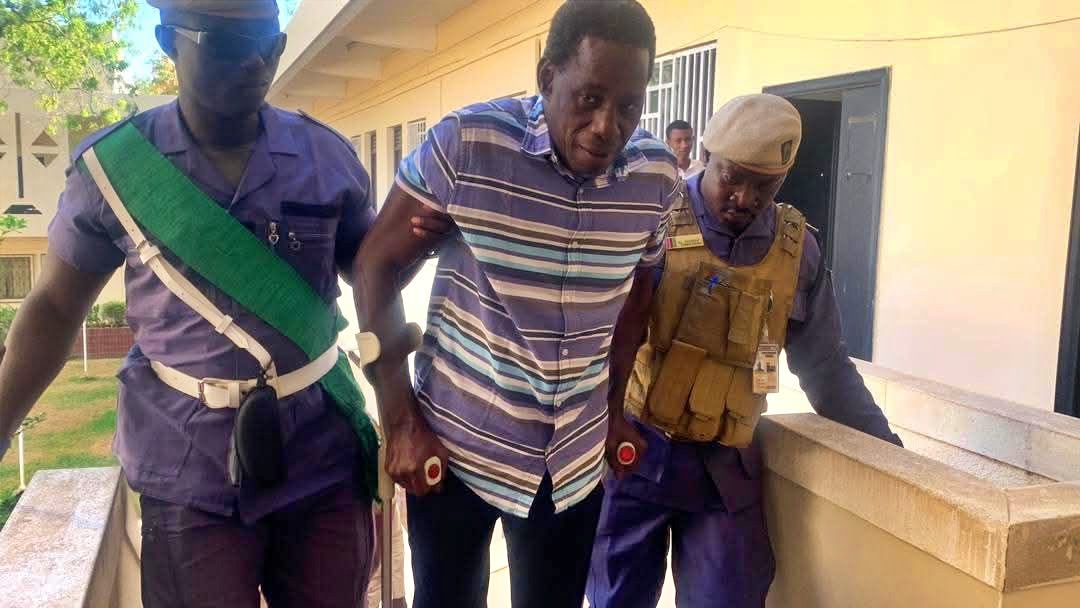
His remarks come in the wake of an attempted coup in Benin on Sunday, when soldiers briefly appeared on state television to announce the dissolution of the government.
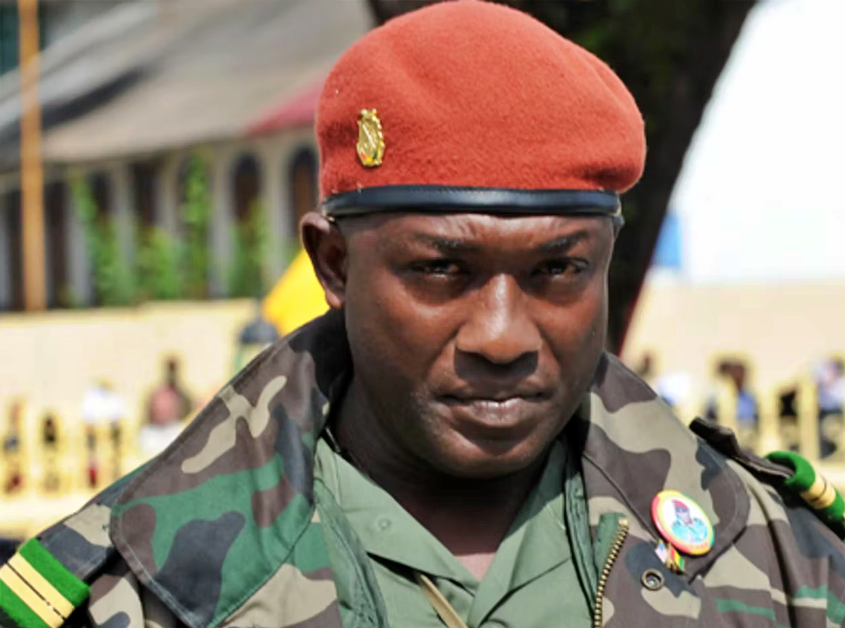
The move failed but added to a troubling pattern of political instability in the region. Just last month, Guinea-Bissau was plunged into turmoil after a military coup removed President Umaro Sissoco Embaló following a disputed election in which both leading candidates declared themselves winners.
Humanitarian Crisis Deepens as Displacement Surges
Dr. Touray said the broader consequences of insecurity are becoming increasingly dire, with humanitarian pressures rising sharply. Citing recent assessments, he revealed that approximately 7.6 million people are forcibly displaced across West Africa, an “alarming and unsustainable” situation driven by violence, political instability, and the growing activities of armed groups.
More than 6.5 million of these are internally displaced persons (IDPs), mostly concentrated in Nigeria, Burkina Faso, Niger, and Mali.
Quoting UNHCR figures, he added that the region also hosts over 1 million refugees and asylum seekers spread across Niger, Mali, Nigeria, Côte d’Ivoire, Togo, Burkina Faso, Ghana, Benin, Senegal, and The Gambia.
“Behind these numbers are families, women, and children who bear the brunt of instability,” he warned.
ECOWAS Calls for Stronger Collective Action
The ECOWAS Commission president also voiced concern over intensifying security threats, including terrorism, political tensions, organized crime, and the resurgence of military interventions in politics.
He cautioned that upcoming elections in Guinea, Benin, The Gambia, and Cape Verde could face significant pressure unless preventive measures are implemented.
Dr. Touray also urged ECOWAS to carefully manage its relations with the Alliance of Sahel States (AES), particularly as terrorist networks continue to exploit porous borders.
Declaring the situation a regional emergency, he called for more frequent meetings of the Mediation and Security Council next year to strengthen coordination and build a robust response to emerging threats.
He emphasized the need for member states to pool resources to combat terrorism and banditry while maintaining unity against growing geopolitical pressures.
Dr. Touray reaffirmed ECOWAS’ commitment to safeguarding peace, stability, and constitutional order, expressing confidence that the council’s recommendations would guide Heads of State and Government toward decisive action.