






Gambiaj.com – (BANJUL, The Gambia) – The Economic Community of West African States (ECOWAS) has mandated the abolition of all air transport taxes and a 25 percent reduction in passenger and security charges across its member states by January 1, 2026, an ambitious reform expected to lower airfares, boost regional passenger volumes, and strengthen West African airlines.
The move is also likely to intensify scrutiny on existing national airport charges, including those in The Gambia, where recent fee proposals have drawn sharp criticism from the International Air Transport Association (IATA).
Under the ECOWAS directive, member states must eliminate the tax on airline tickets, the tourism tax, and the solidarity tax. Aviation ministers were required to notify the ECOWAS Commission by November 30 of the regulatory and legal measures adopted to enforce the new structure.
A Regional Economic Monitoring Mechanism for Air Transport will oversee implementation to ensure consistency across the bloc.
Chris Appiah, ECOWAS Director of Transport, explained that the reform will substantially reduce the cost burden on carriers, creating market conditions that should lead airlines to reduce fares.
Commission President Umar Alieu Touray has also warned governments not to introduce new aeronautical charges that could undermine the policy, describing the reform as essential to deepening regional integration and expanding intra-West African mobility.
Gambia’s Airport Fees Under New Pressure
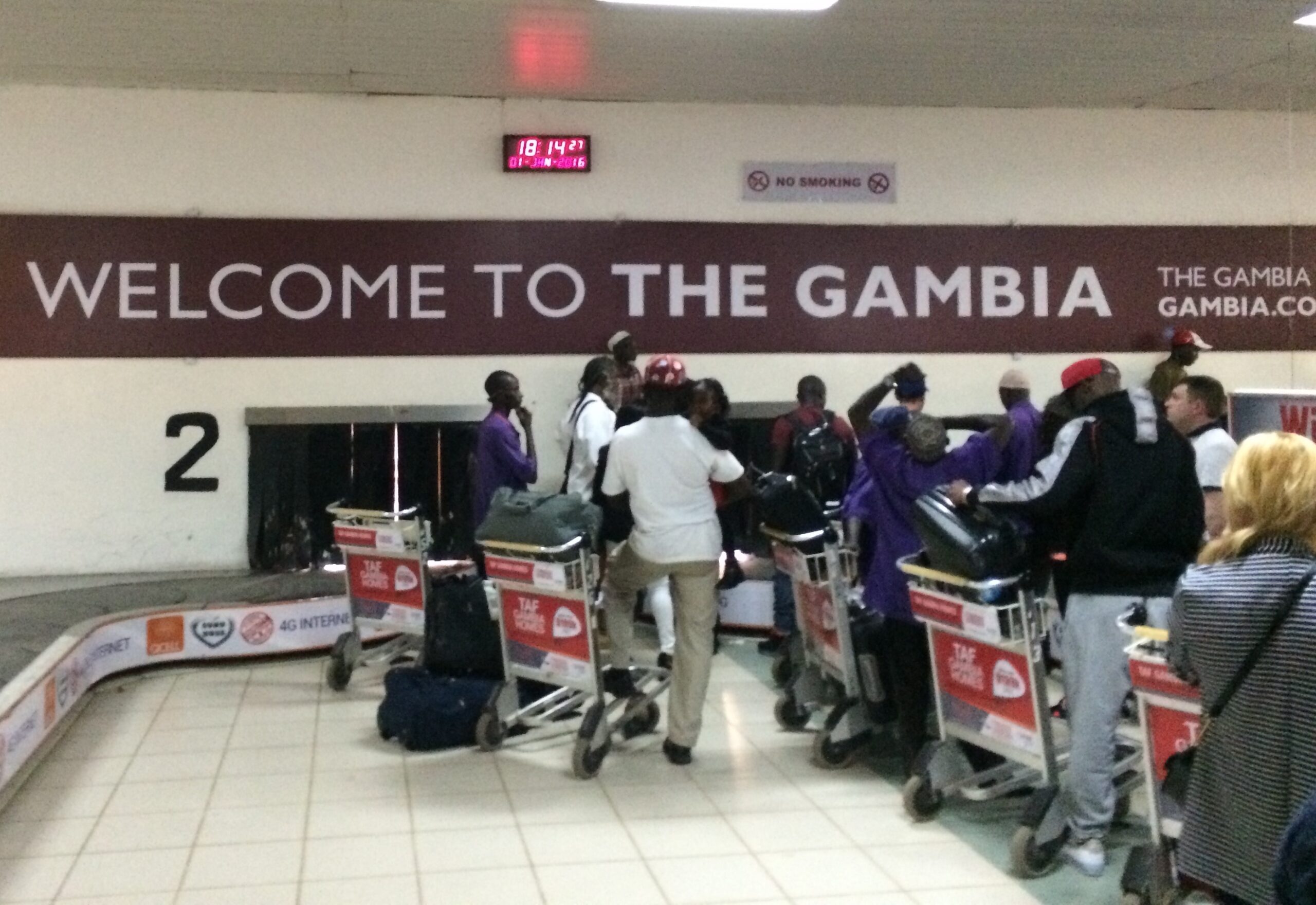
The new ECOWAS regime is poised to impact The Gambia directly, where air travelers, specifically non-Gambian passengers, are required to pay a $20 Airport Security Fee at Banjul International Airport.
The fee, administered in partnership with Securiport and payable in multiple currencies, has long attracted complaints over unreliable payment systems and unclear value for money.
This existing charge, along with recent attempts by the Gambia Civil Aviation Authority (GCAA) to introduce a new D1,200 passenger levy and revised airport fees, now appears increasingly incompatible with the regional policy direction.
In a strongly worded letter to GCAA Director General Fansou Bojang, IATA rejected the proposed charges outright, citing the government’s failure to conduct the consultations required under international norms and its non-compliance with ICAO user-charge principles.
The association criticized the GCAA for what it described as a lack of transparency, missing financial data, and insufficient justification for fee increases that IATA deemed excessive, discriminatory, and incorrectly classified as security costs, which under ICAO standards should be borne by the state.
IATA called on Gambian authorities to restart the entire process, provide audited financial statements, and present clear performance indicators before attempting to introduce any new airport-related fees.
Regional Reforms Heighten the Stakes
With ECOWAS moving to wipe out taxes and reduce passenger charges across the region, The Gambia’s current and proposed fee regime faces mounting pressure to align with the bloc’s harmonized framework.
The Commission has made clear that the introduction of new aviation taxes, such as those proposed by GCAA, would directly contradict the spirit and letter of the January 2026 reforms.
As West African states prepare for the rollout of the new policy, the efficacy of national fee structures, transparency of airport charge-setting processes, and compliance with international standards are expected to undergo renewed scrutiny.
In The Gambia, the alignment, or conflict, between national policy and regional commitments will likely shape the future cost of air travel for passengers and the competitiveness of the country’s aviation sector.