



Gambiaj.com – (CATALONIA, Spain) – Several girls living in Catalonia were spared the risk of undergoing female genital mutilation (FGM) in The Gambia in 2025 after preventative interventions by the Mossos d’Esquadra, highlighting the growing impact of cross-border police cooperation between Catalonia and The Gambia in tackling the practice.
According to the Catalan police, six FGM-related cases involving eight girls and young women were detected in Catalonia last year.
In most of these cases, the interventions were preventative, with authorities identifying the risk before the girls could be taken abroad—often to countries such as The Gambia—where the practice remains prevalent.
These actions effectively stopped what a Catalonia police describe as a “terrifying voyage” that would have exposed the girls to irreversible harm.
However, not all cases were prevented in time. In two instances, girls arriving in Catalonia had already been subjected to FGM in their countries of origin before relocation, underscoring the continuing reality that some victims still “slip through the net.”
In Lleida, two such victims were identified and assisted by the authorities. In one case involving a minor, a court confiscated the girl’s passport and barred her from leaving the country to prevent further risk.
The preventative work in Catalonia comes against the stark backdrop of The Gambia’s high FGM prevalence. Despite the practice being outlawed in 2015, an estimated 75 percent of Gambian girls and women aged 15 to 49 have undergone some form of FGM, with seven in ten cases occurring before the age of five. The practice remains deeply entrenched and is often linked to child marriage.
To confront this cross-border risk, the Mossos d’Esquadra and the Gambia Police Force have intensified cooperation aimed at stopping FGM before it happens.
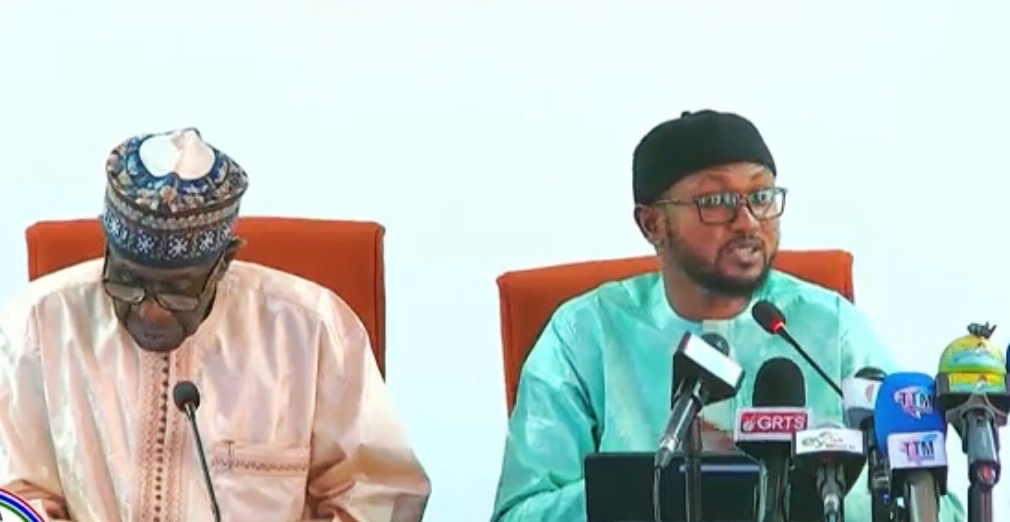
Since last Friday, coinciding with the International Day of Zero Tolerance for Female Genital Mutilation, Gambian police officers, instructors, and senior commanders have been taking part in specialized training sessions led by Catalan police.
The training focuses on victim-centered policing, early risk detection, application of the law, and close collaboration with social services, healthcare workers, and educators.
Community policing has been highlighted as a key tool in identifying vulnerable girls and preventing families from arranging FGM during overseas trips.
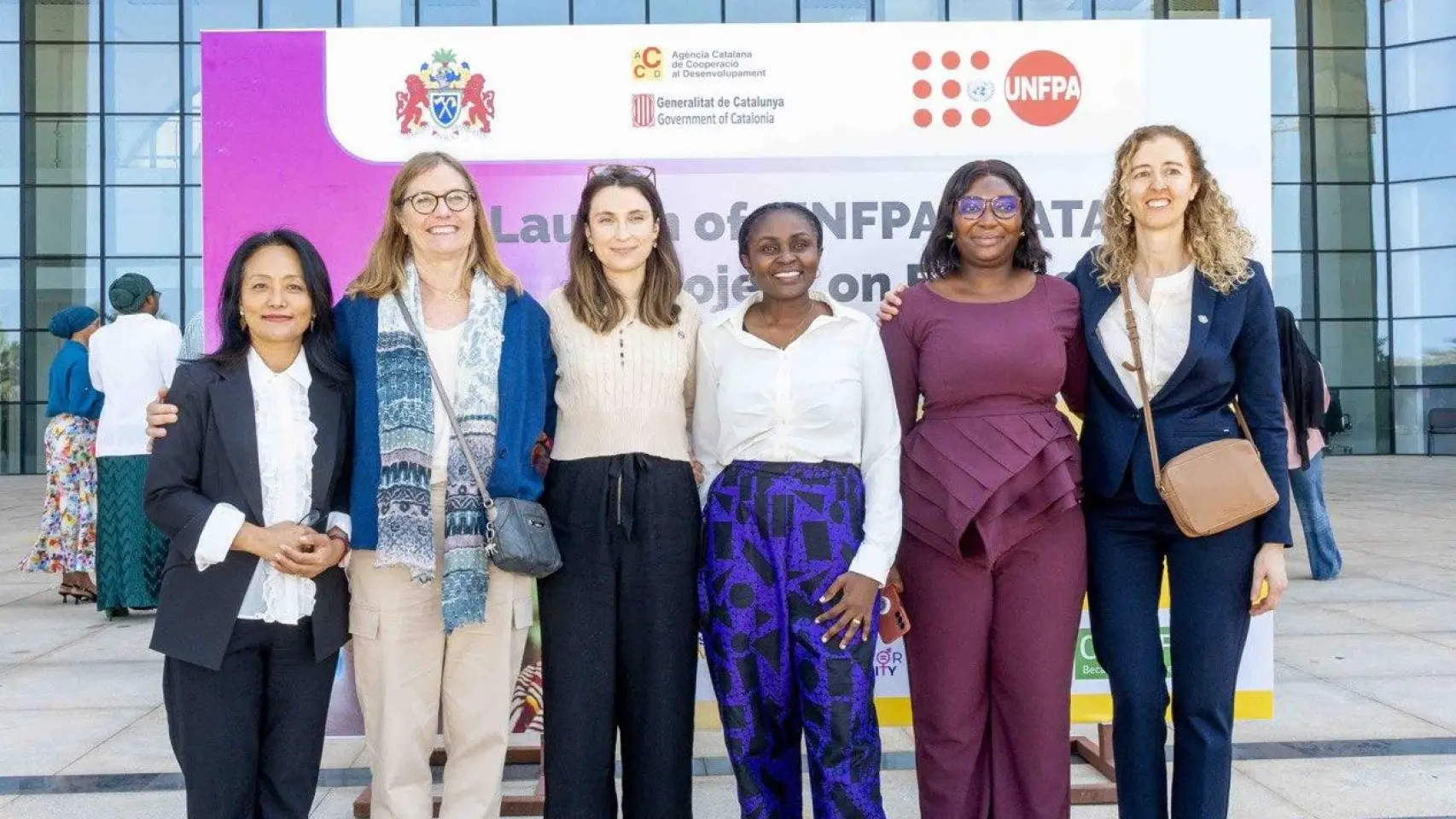
The initiative is part of a project promoted by the Catalan Agency for Development Cooperation (ACCD) and financed by the United Nations Population Fund (UNFPA), under the program “Promoting the Participation of Girls in the Eradication of Female Genital Mutilation in Gambia.”
Through the exchange, Catalan police have shared practical tools and methods that have helped reduce FGM-related cases in Catalonia—lessons now being adapted to the Gambian context.
Authorities involved in the project stress that while prevention in Europe has saved girls from being cut in The Gambia, the ultimate goal is to eradicate the practice at its source.
Strengthening the capacity of the Gambia Police Force to prevent, investigate, and respond to FGM is seen as critical to ensuring that fewer girls, whether at home or abroad, are ever placed at risk again.