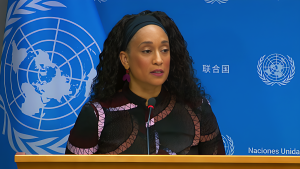


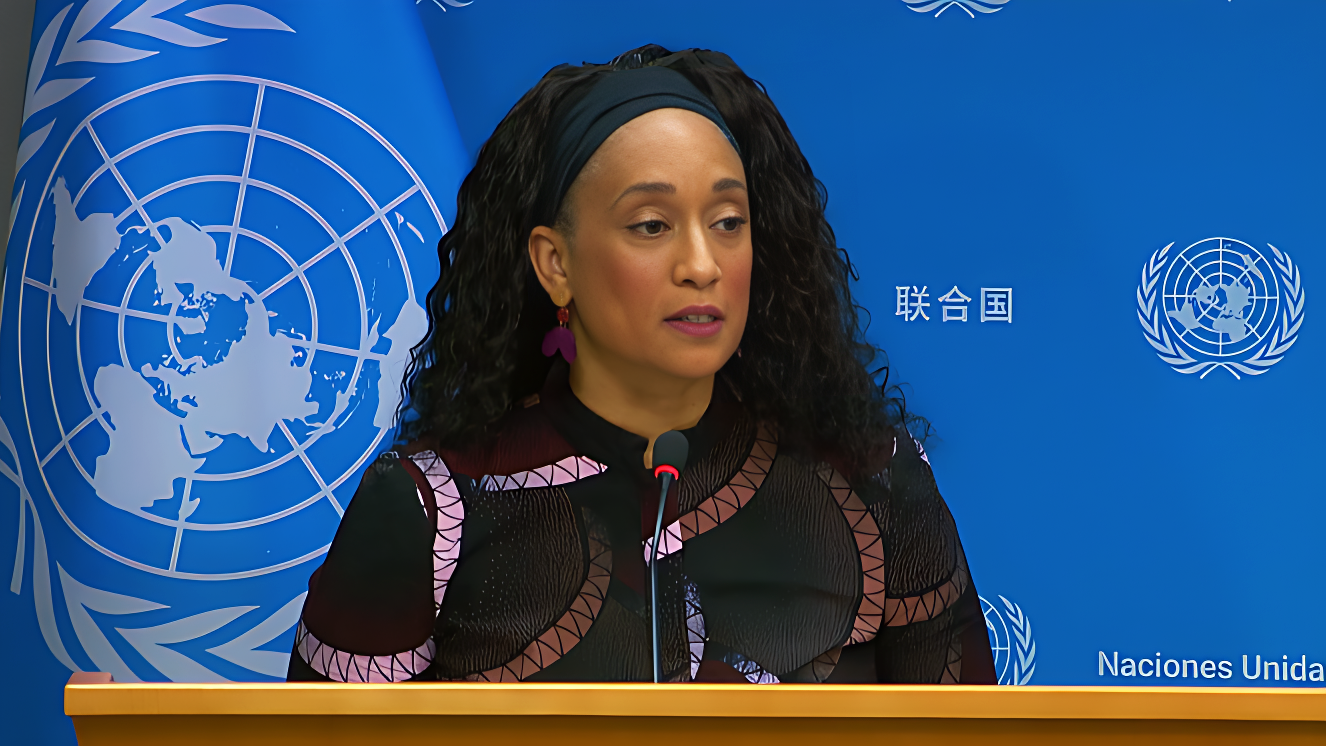
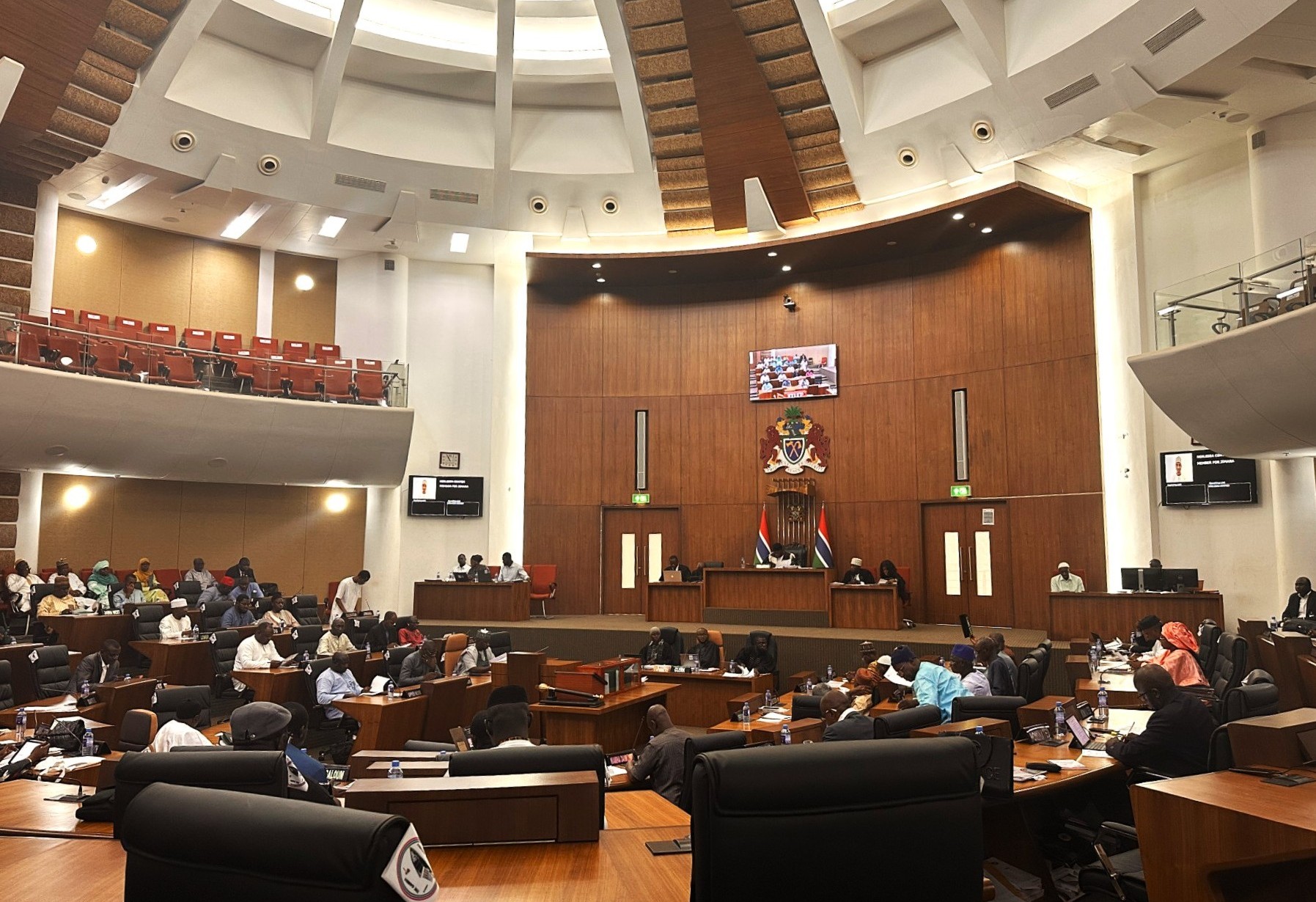

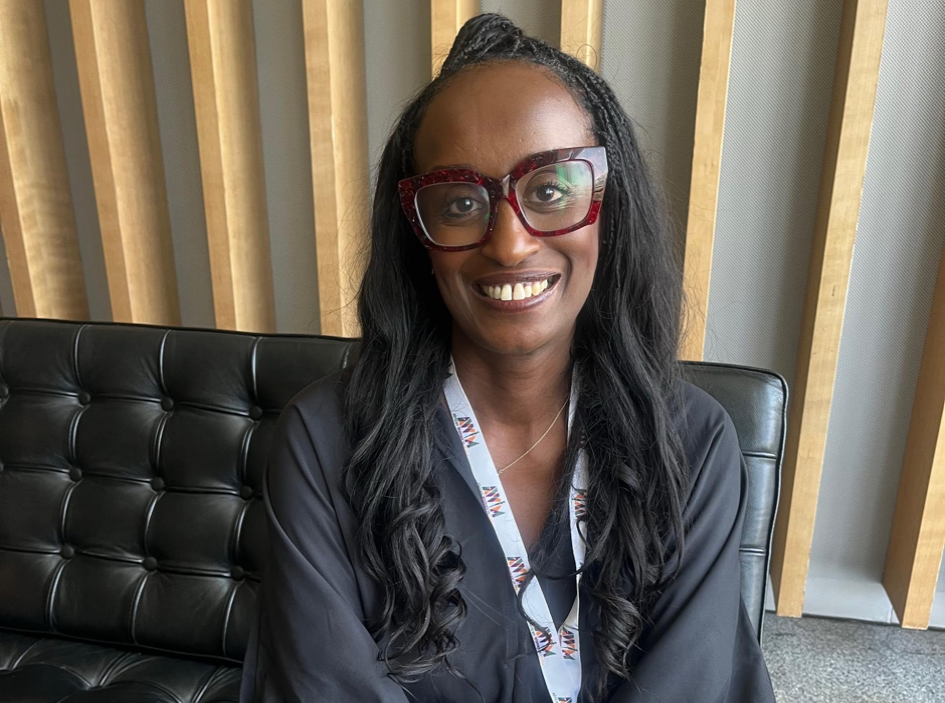
Gambiaj.com – (BANJUL, The Gambia) – Global anti-FGM campaigner and psychotherapist Leyla Hussein has called for a fundamental shift in how The Gambia frames and prosecutes Female Genital Mutilation (FGM), arguing that it should fall squarely under child protection and child abuse laws rather than be treated primarily as a women’s issue.
Hussein, who serves as Global Advocacy Director for The Girl Generation, said the current legal framing distorts the reality of the practice, as FGM is overwhelmingly carried out on minors who cannot consent.
“I encourage Gambian lawmakers, lawyers, activists, and advocates to really relook at Gambian laws and actually see: do we have laws that protect children? Do we have laws that protect women? Because then you realize you don’t need all these other acts,” she said in an interview.
She noted that many African countries already possess strong child protection frameworks, yet harmful traditional practices are often detached from those laws, weakening existing protections. “Africa has many countries that have great laws around children. You just need to go and look,” she said.
Hussein cited France as an example, explaining that authorities there prosecute FGM under general child protection and child abuse statutes without the need for a dedicated FGM law. “France doesn’t have an FGM Act. They prosecute under the Child Protection Act and Child Abuse Act. The list goes on,” she added.
Arguing that FGM should not be isolated as a unique or standalone category, Hussein stressed that defining it as a women’s issue overlooks those most affected. “FGM doesn’t happen to women. It happens to children. The woman comes later—she is the one dealing with the after-effects,” she said.
She expressed particular concern over recent infant deaths linked to FGM in The Gambia, questioning how such cases could be adequately addressed if the practice remains categorized under women’s laws. “How the hell are those two babies now going to be—what—are they going to be treated as women?” she asked.
Hussein said the national debate should move beyond whether to repeal or retain a standalone FGM law and instead focus on where the issue belongs within the country’s wider legal framework. “This is child abuse. This is gender-based violence. We already know how to deal with those things,” she insisted.
She urged policymakers to anchor FGM within child protection systems to ensure survivors—and those at risk—receive the full protection of the law.