







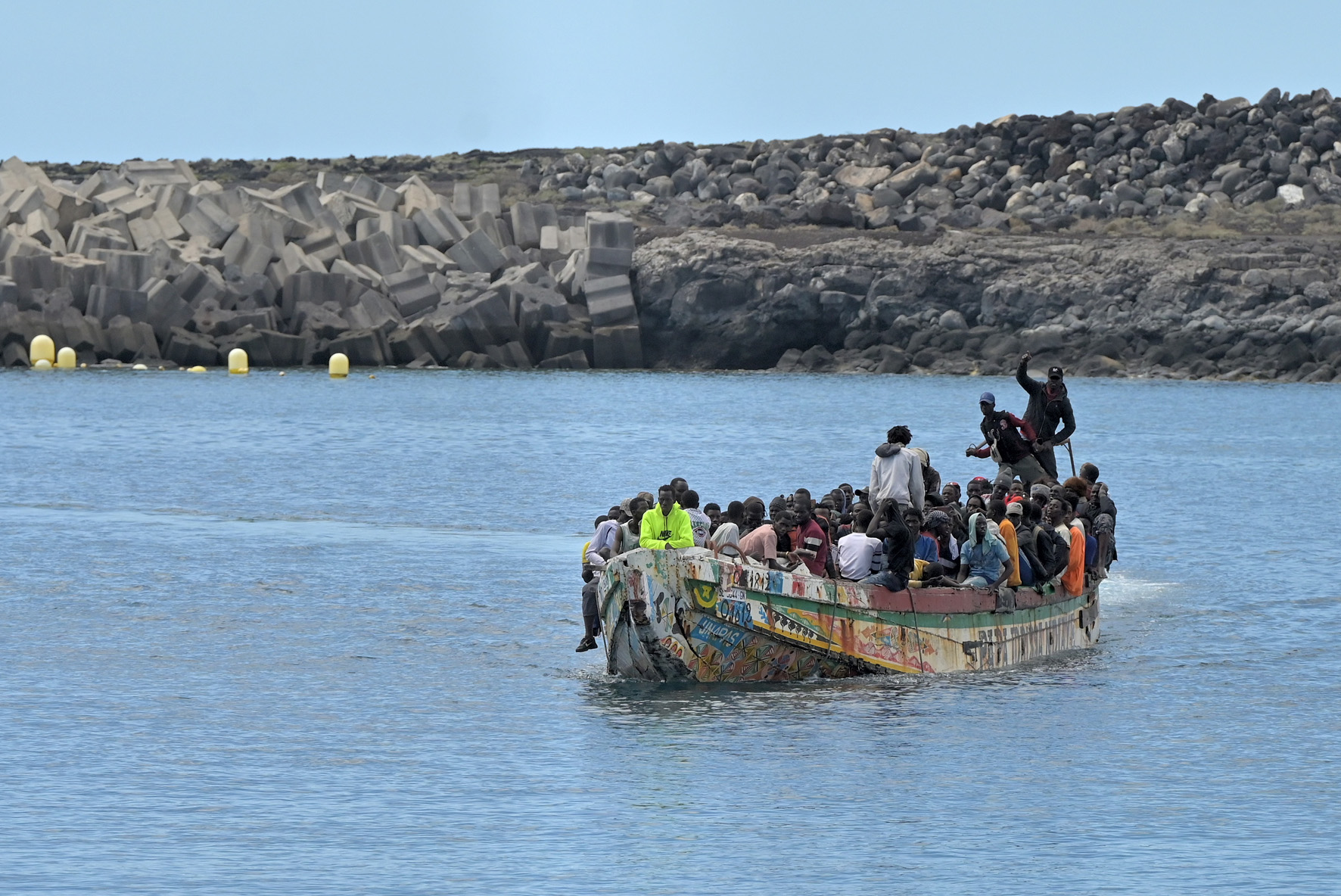
Gambiaj.com – (Banjul, The Gambia) – Irregular migration attempts from The Gambia to the Canary Islands fell significantly between September and October 2025, but the journeys that did occur involved overcrowded, poor-quality boats that exposed migrants to severe risks at sea, a new report by the International Organization for Migration (IOM) has revealed.
The findings, published in the fourth round of IOM’s Departure Areas Monitoring Tool (DAMT), show that community monitors along the Gambian coastline recorded 16 migration-related events, including seven boat departures, seven recruitment campaigns, and two boat construction activities.
Steep Decline in Departures but Continued Vulnerability
According to the report, 1,191 migrants left Gambian shores during the period, a 60% decline compared to July–August and a 74% drop in the number of boats departing.
Despite the decrease, IOM warns that conditions surrounding these departures remain dangerous. Community focal points reported that most of the vessels used were overcrowded and poorly constructed, raising the likelihood of shipwrecks and disappearances.
“These departure points are often remote and isolated, increasing migrants’ exposure to exploitation, extortion, and other abuses,” the agency noted.
Majority of Migrants Are Young Men; Gambians Lead Departures
The demographic breakdown shows that 87% of the migrants were men, with women accounting for 9% and children 4%.
Gambians made up the majority at 58%, followed by Senegalese (30%) and nationals of other West African countries (12%).
Notably, the proportion of migrants of “other nationalities” increased by 82% compared to previous reporting, suggesting broader regional use of Gambian departure points.
Recruitment Campaigns Continue Across Coastal Communities
Seven recruitment efforts were documented in the same period, indicating persistent demand for irregular travel despite dangers and seasonal declines.
CFPs monitoring coastal communities, including Barra, Albreda, Bakau, Brufut, Tanji, Kartong, and Gunjur, also reported two new boat construction sites intended for future departures.
All seven boats that left Gambian waters during this period were reportedly headed directly to the Canary Islands, bypassing Mauritania and Morocco.
Data Limitations and Call for Caution
IOM cautioned that the data reflects only events reported by its network of community informants and may not capture the full scale of departures.
The agency emphasized that it does not collaborate with smuggling networks and relies strictly on independent monitoring to understand migration patterns along the West African Atlantic Route.
A Continued Humanitarian Challenge
The West African route remains one of the most perilous migration paths. Between September and October alone, 1,973 migrants arrived irregularly in the Canary Islands from various West African countries.
The Gambia has re-emerged as a key point of departure, even as authorities and international partners intensify awareness efforts highlighting the dangers of irregular sea journeys.
IOM’s latest findings underline that while fewer Gambians may be embarking on the journey, those who do face rising risks and vulnerabilities, a reminder that the root causes driving irregular migration remain unaddressed.