




Gambiaj.com – (BANJUL, The Gambia) – A Gambian economist has called for a radical rethink of the country’s agricultural model, urging authorities to legalize and regulate medicinal cannabis farming as a replacement for the increasingly unviable groundnut sector.
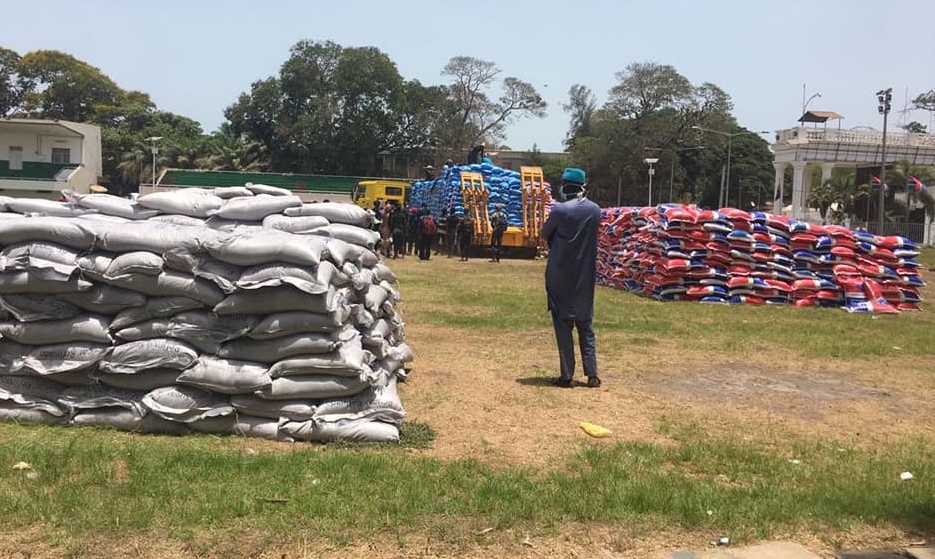
Nyang Njie’s proposal comes as farmers across the country, particularly in the Central River Region, grapple with falling yields linked to climate change. For decades, groundnuts have been the backbone of rural livelihoods, but erratic rainfall and rising temperatures have taken a heavy toll.
“I have little to show for my labor,” said Hamadi Jallow, a groundnut farmer from the Central River Region, echoing the frustration of many smallholders.
Studies indicate that climate change has slashed groundnut yields by more than 50 percent in some areas, with revenues projected to decline by a further 11 percent by 2040.
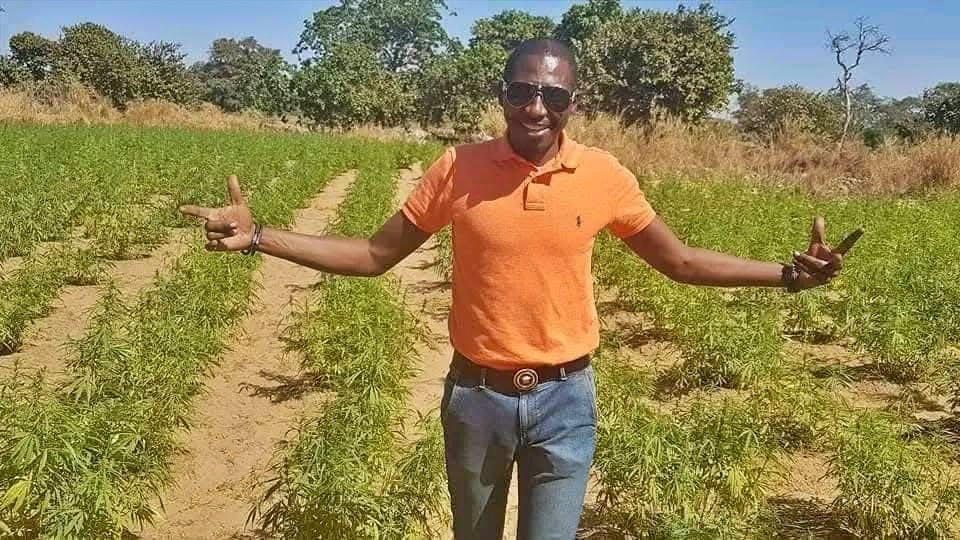
Against this backdrop, Njie is advocating what he describes as a shift to “green gold”: the controlled cultivation of medicinal cannabis for export. He argues that the global pharmaceutical market offers far greater returns than traditional cash crops.
According to Njie, one kilogram of high-quality medicinal cannabis can fetch up to $3,500 internationally—an amount that would require several tonnes of groundnuts to match.
“With greenhouse production and strict regulation, farmers could grow year-round, independent of unreliable rains,” Njie said. “Under proper control, a farmer can send his child to university.”
Njie points to experiences in countries such as Lesotho and South Africa, where regulated medicinal cannabis industries have created rural jobs and generated government revenue.
He also highlights The Gambia’s proximity to Europe, a major pharmaceutical market, as a logistical advantage that could allow for faster exports and quicker returns for farmers.
Cannabis, however, remains illegal in The Gambia under laws inherited from the colonial era, where no distinction is made between medicinal use and recreational consumption, commonly referred to locally as “jamba.” Njie argues that this legal framework is outdated and fails to reflect evolving global norms.
At least eleven African countries now permit the cultivation of medical cannabis under strict regulatory regimes, combining traditional knowledge with modern oversight to prevent abuse.
Njie contends that farmers focused on high-value export markets would have little incentive to divert products into the local illicit trade.
He believes revenues from a regulated medicinal cannabis industry could be channeled into schools, health facilities, and climate-resilient farming systems, helping rural communities adapt to worsening environmental conditions.
Njie has framed February 18 as a symbolic moment of choice for the country: continue relying on what he describes as a “dying colonial crop,” or embrace a high-value alternative that could restore dignity and economic security to farmers.
As groundnut yields continue to decline, his call is gaining attention, placing renewed pressure on policymakers to reconsider long-standing agricultural and drug control policies.