





Gambiaj.com – (Banjul, The Gambia) – As 2025 draws to a close, many Gambians are reflecting on a year defined by rising living costs, limited employment opportunities, and the daily struggle to make ends meet. For many, New Year’s Eve is less a moment of celebration than one of sober reflection.
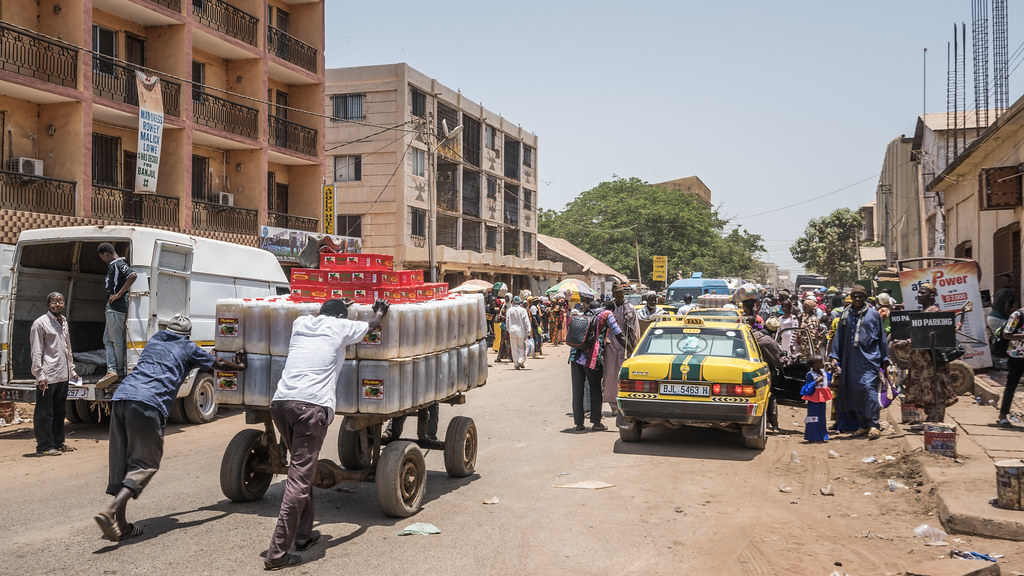
At Serrekunda Market, trader Awa Touray described a year of uncertainty and declining purchasing power.
“Some days we sell, some days we don’t,” she said. “Prices keep going up, but customers’ money doesn’t. Many people now buy less or ask to buy on credit.”
In Brikama, 24-year-old university graduate Lamin Jatta said securing employment remained elusive throughout the year, despite repeated applications.
“I have applied to many places,” he said. “When nothing happens, you start thinking about leaving the country, even though it is risky.”
For families, the pressure of rising costs has been constant. Fatou Sanyang, a mother of three in Bundung, said basic necessities have become increasingly unaffordable.
“Food, fuel, and transport are always going up,” she said. “We try to manage, but it is not easy.”
Unemployment and irregular migration remained central concerns, particularly among young people. Many youths say the lack of viable job opportunities continues to push them toward considering migration, despite ongoing awareness campaigns highlighting the dangers of irregular routes.
Governance and accountability also featured prominently in public conversations throughout the year. Community activist Momodou Bah said citizens are increasingly questioning decision-making and its impact on their lives.
“People talk about these issues every day,” he said. “They want to understand what the government is doing and how it affects them.”
Environmental challenges compounded economic pressures in 2025. Flooding damaged homes in several low-lying communities, while farmers reported shifting rainfall patterns that disrupted planting cycles and reduced harvests.
Environmental groups warned that climate-related impacts are becoming more frequent and increasingly difficult to manage.
Despite the hardships, community life endured. Local football matches, cultural activities, and neighborhood events provided moments of relief, while grassroots sports programs helped keep young people engaged and offered alternatives to idleness.
Government officials, meanwhile, pointed to ongoing infrastructure projects, energy investments, and institutional reforms as part of broader efforts to address long-standing challenges. Authorities have maintained that meaningful change takes time, stressing that structural problems cannot be resolved overnight.
As Gambians look ahead to 2026, many say their hopes are modest but urgent: affordable food, stable employment, reliable public services, and the chance to live without constant fear of falling behind.
“We just want things to improve little by little,” Fatou Sanyang said. “Even small changes will make a difference.”
Across markets, neighborhoods, and households, the voices of ordinary Gambians reflect a year marked by endurance, quiet resilience, and cautious hope as the country steps into the new year.