


Gambiaj.com – (BISSAU – Guinea-Bissau) – Three months after a military intervention halted the electoral process in Guinea-Bissau, the country is facing what observers describe as a sharp deterioration in civil liberties, institutional independence, and political pluralism.
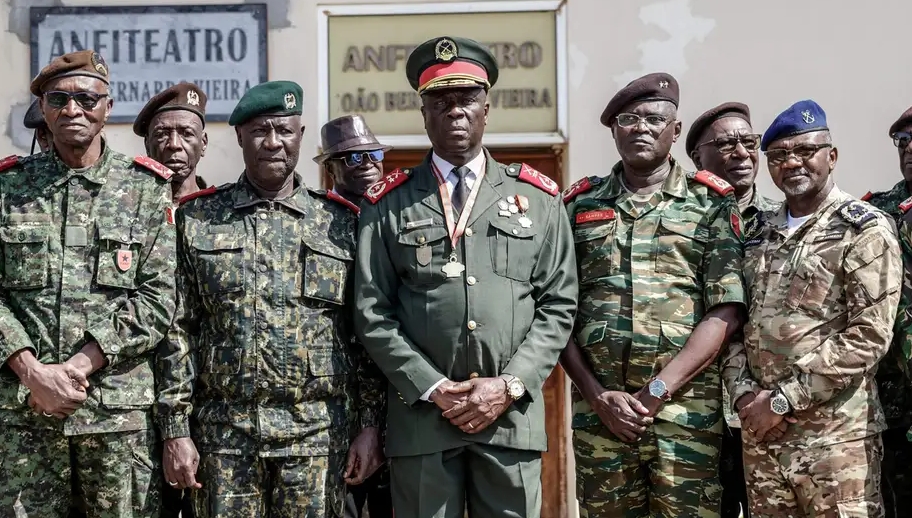
The intervention, which came just hours before the announcement of general election results, has ushered in a period marked by detentions without formal charges, restrictions on political activity, and the expanded presence of the military across state institutions.
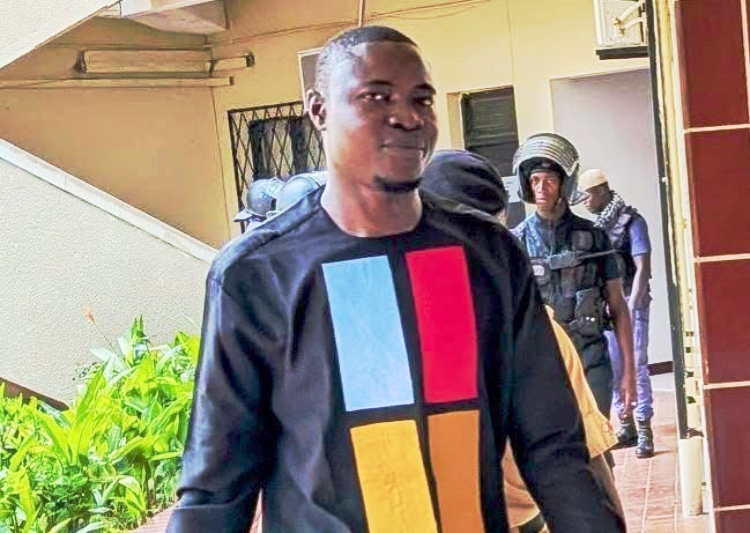
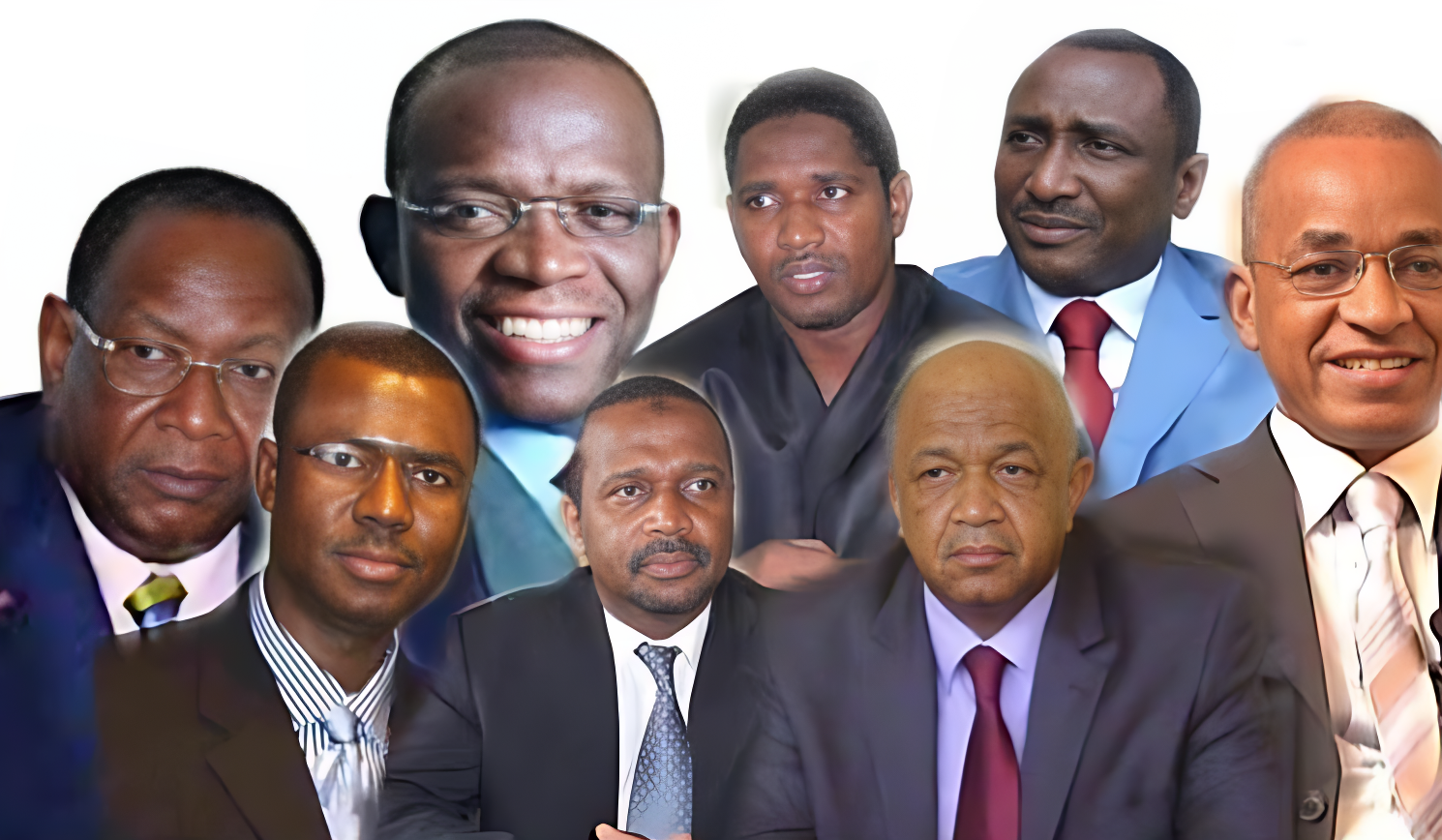
Opposition leader Domingos Simões Pereira has remained in detention since November, with no publicly disclosed charges. Fernando Dias, a key rival of former President Umaro Sissoco Embaló in the disrupted elections, is under house arrest and barred from leaving his residence or contacting his party structures.
Public press conferences have been effectively suspended nationwide unless explicitly authorized by the military authorities.
Meanwhile, the whereabouts of Embaló remain unclear.
Constitutional Changes and Institutional Militarization
The Military Command and Transitional Council have introduced sweeping changes to the suspended Constitution, replaced the president of the National Electoral Commission, altered the legal framework governing political parties, and prohibited demonstrations.
These measures have directly impacted the African Party for the Independence of Guinea and Cape Verde (PAIGC), one of the country’s main political forces.
Activists have reportedly been attacked, and many citizens are reluctant to speak publicly, citing fear of reprisals.
Despite this climate, the military authorities have scheduled general elections for December while resisting calls from parts of the international community to restore constitutional order.
Transitional Prime Minister Ilídio Vieira Té, marking his government’s first 100 days, defended the administration’s record. He emphasized institutional stability, fiscal discipline, and continuity of the state in what he described as an “exceptional” national context.
However, Guinean researcher Fernando da Fonseca argues that the official narrative diverges sharply from realities on the ground.
“Authoritarian Consolidation Under a Fragile Normality”
In an interview with DW Africa, Fonseca said the country has undergone “significant institutional and legal-political changes,” noting that Guinea-Bissau has effectively been under direct military command for three months, an arrangement he described as incompatible with republican and democratic norms.
He pointed to the deepening militarization of public institutions, including parliament, as evidence of what he termed an “authoritarian consolidation based on a fragile appearance of normality.”
While Guinea-Bissau has a long history of coups, Fonseca stressed that the current scenario represents an unprecedented direct seizure and retention of power by the armed forces.
According to him, the cumulative effect of suspending political activity, restricting civil society, and altering key legislation has led to the collapse of democratic checks and balances. “Separation of powers, the role of civil society, the functioning of parliament—at this moment, all of that is in ruins,” he said.
Climate of Fear and Political Paralysis
Fonseca attributed the absence of large-scale protests to a combination of civic exhaustion and escalating repression.
He said years of recurring crises have narrowed civic space and worn down public mobilization. More recently, he added, the level of violence and intimidation has “brutalized” political movements, with attempts at mobilization reportedly suppressed by force.
“The struggle is not over,” he noted, suggesting that opposition forces may be recalibrating strategies rather than abandoning resistance altogether.
Questioning the Coup’s Justification
The military intervention was initially framed as a measure to prevent civil war. However, Fonseca questioned the coherence of that justification, particularly as the only prominent detainee remains Domingos Simões Pereira, who did not ultimately contest the elections.
He said no material evidence has been publicly presented to substantiate allegations that opposition figures were involved in a coup attempt. In his view, the charges appear constructed to legitimize the constitutional rupture that followed the November vote.
To illustrate the importance of institutional resilience, Fonseca cited cases in larger democracies. In Brazil, former President Jair Bolsonaro was prosecuted after allegedly attempting to subvert democratic order. In the United States, President Donald Trump sought to challenge election results, but institutions resisted.
The critical difference, Fonseca argued, lies in the strength and independence of democratic institutions, qualities he believes Guinea-Bissau lacks.
International Response Under Scrutiny
The role of the Economic Community of West African States (ECOWAS) has also drawn criticism. Fonseca described the regional bloc’s response as disappointing, arguing that its own protocols on democracy and good governance clearly prohibit unconstitutional seizures of power.
He contrasted ECOWAS’ stance with that of the European Union, which more forcefully condemned the coup and called for respect for election results and human rights.
Geostrategic considerations and regional political calculations, he suggested, may have influenced the comparatively muted response from some actors.
According to Fonseca, resolving the crisis will require sustained international pressure, particularly from the European Union, the World Bank, and ideally ECOWAS, combined with stronger internal coordination between opposition parties and civil society.
Only a convergence of external leverage and domestic unity, he argued, could compel the Military Command to reconsider its position and allow a genuine civilian-led transition toward credible elections.
For now, three months after the coup, Guinea-Bissau remains in a state of suspended democracy, with opposition voices silenced and institutions operating under the shadow of military authority.