



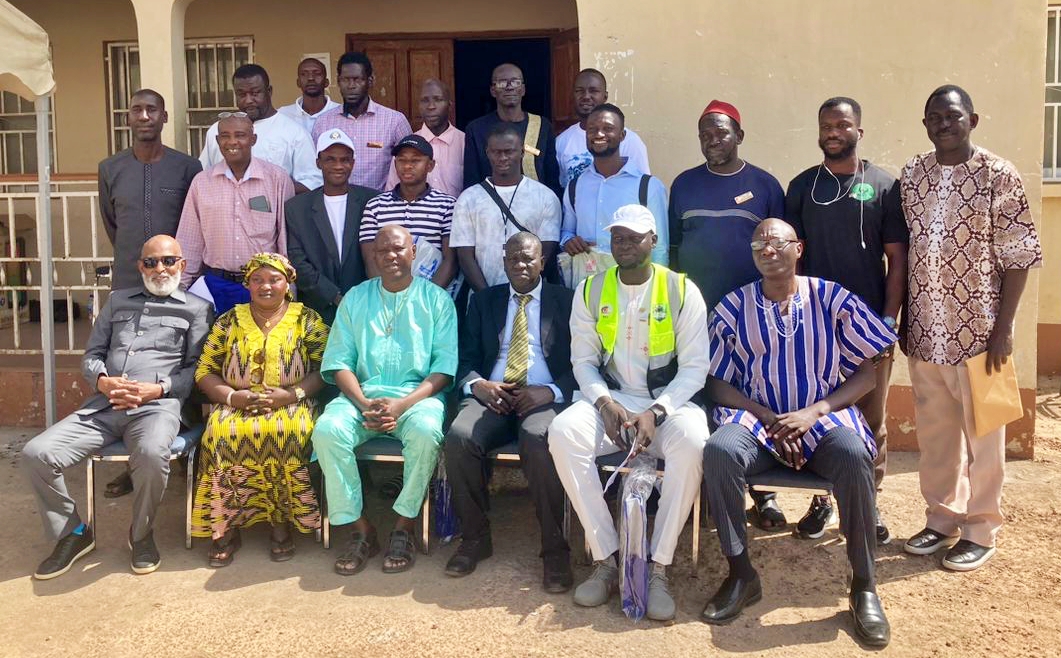
Gambiaj.com – (BANJUL, The Gambia) – The Independent Electoral Commission (IEC) has concluded a nationwide consultation tour aimed at preparing stakeholders for the 2026/27 electoral cycle, engaging regional and local authorities on key milestones in the coming electoral calendar.
The tour, which ran from 1 to 11 December 2025, took IEC officials to Kerewan, Wassu, Janjanbureh, Basse, Mansakonko, Sibanor, Yarambamba, Brikama, and Kanifing and ended in Banjul.
Led by the Chairman of the Commission, Joseph Colley, the delegation included the Vice Chairman, Cherno Jallow, the Chief Electoral Officer, and other senior officials. Across all regions, discussions were described as highly interactive and at times passionate, highlighting concerns and expectations surrounding the upcoming electoral processes.
Key Electoral Issues Dominate Regional Discussions
Stakeholders raised several pressing issues, including the contentious question of attestations for voter registration cards, which has long fuelled disputes over eligibility and documentation.
Calls were also made to revisit the current electoral boundary demarcations to split large constituencies, a move many believe would enhance representation and ease electoral administration.
Participants further advocated for additional registration and polling centers to mitigate voter apathy, particularly in densely populated or hard-to-reach communities.
Technical aspects of the upcoming supplementary voter registration also came under scrutiny, including sanitization of the voters’ register, voting procedures, result computation, and the role of local actors in ensuring transparent and credible processes.
One recurring proposal across regions was the consolidation of local government elections, including councillor, chairperson, and mayoral polls. Stakeholders suggested moving away from the token ballot system toward uniform paper ballots to streamline voting.
Vice Chairman Jallow Calls for Integrity, Responsibility, and Peace
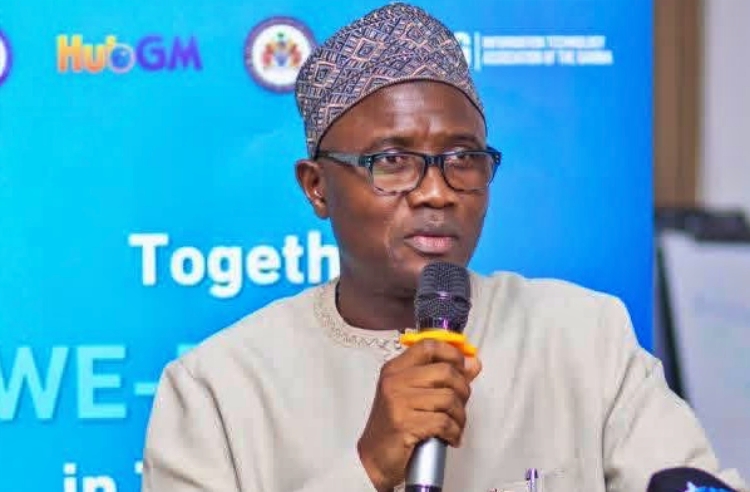
The tour concluded in Banjul on Thursday, 11 December, where IEC Vice Chairman Cherno Jallow delivered an impassioned address emphasizing integrity, civic responsibility, and the collective safeguarding of peace and democracy.
Describing the local authorities present as “owners of the process,” Jallow underscored their role in influencing communities to participate meaningfully in the upcoming elections. He stressed that their actions and utterances must remain anchored in the Constitution, the Elections Act, the Local Government Act, and IEC regulations.
“We are trying to build trust around this process. You are important stakeholders because you will be our ambassadors on the ground,” he said.
Jallow, who traced his deep personal ties to Banjul and referenced decades of work in conflict zones across Africa, warned against complacency.
“I know what it means to allow your country to sink into conflict. We should act responsibly and wisely so that peace, stability, and democracy are consolidated at all costs.”
He urged stakeholders to combine legal compliance with moral conscience, noting that integrity would shape their legacy long after the electoral cycle ends.
With the consultations concluded, the IEC is expected to proceed with technical planning and public sensitisation ahead of the supplementary voter registration and the presidential, National Assembly, and local government elections scheduled under the 2026/27 electoral cycle.