







Gambiaj.com – (BANJUL, The Gambia) – The International Monetary Fund (IMF) has cautioned that The Gambia’s growing debt service obligations are placing significant strain on public finances, absorbing about 20 percent of government revenue, despite the country’s continued strong economic performance.
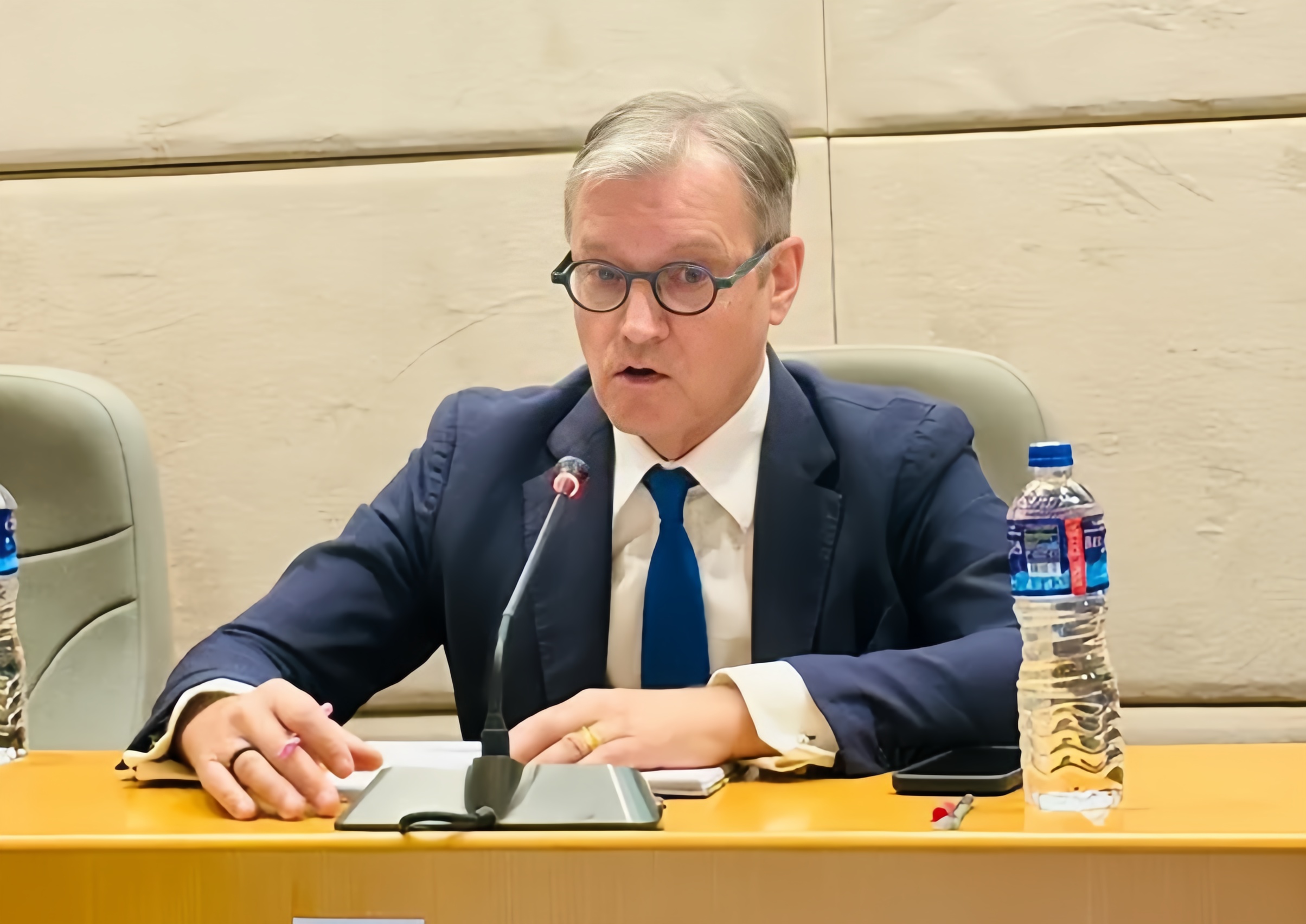
Presenting the outlook on Thursday of the IMF’s Fall 2025 Regional Economic Outlook for Sub-Saharan Africa, the IMF Resident Representative to The Gambia, Patrick Gitton, said the country’s economy is projected to expand by 6 percent in 2025, a revision upward from earlier forecasts and well above the regional average growth rate of 4.1 percent.
He attributed the positive outlook to sustained growth in construction, tourism, and agriculture, supported by strong tourist arrivals and steady remittance inflows.
Gitton noted that The Gambia has demonstrated notable resilience in the face of recent global shocks, including the COVID-19 pandemic and ongoing geopolitical tensions, which have disrupted global supply chains and financial markets.
He also highlighted a significant easing of inflationary pressures. Headline inflation has fallen sharply from over 18 percent in September 2023 to 6.9 percent by the end of November 2025, driven largely by lower global food prices and tighter domestic monetary policy. However, he cautioned that inflation remains above pre-pandemic levels and could persist over the medium term.
Despite these macroeconomic gains, the IMF expressed concern over the country’s debt dynamics. Public debt currently stands at about 75 percent of Gross Domestic Product, and while it is assessed as sustainable, the cost of servicing the debt is weighing heavily on the budget.
“Debt service is absorbing roughly one-fifth of government revenue,” Gitton said, warning that this reduces the government’s capacity to adequately finance priority sectors such as health, education, and infrastructure.
He further explained that constrained access to international financial markets has compelled The Gambia, like many low-income countries, to rely more heavily on domestic borrowing. About one-third of the country’s public debt is domestic, a shift that the IMF said introduces additional risks.
According to Gitton, increased domestic financing could crowd out private sector credit and heighten macro-financial vulnerabilities.
Banks in The Gambia hold a significant portion of government debt, with exposure to the public sector accounting for around 35 percent of total bank assets, well above the regional average.
The IMF also pointed to declining foreign aid as an emerging challenge. Official development assistance to The Gambia is expected to fall in 2025, further tightening fiscal space and increasing pressure on domestic revenue mobilisation.
Looking ahead, the Fund projects that economic growth will moderate gradually to around 5 percent by 2027, as construction activity slows and uncertainties linked to election cycles begin to weigh on economic activity.