





Gambiaj.com – (BANJUL, The Gambia) – Lawmakers representing communities along the Kotu Stream have called for concrete, measurable improvements from the World Bank–funded Water and Climate Adaptation (WACA) project, stressing that residents expect real progress after decades of flooding, environmental degradation, and public health risks.
The project, which targets key urban waterways across The Gambia, aims to rehabilitate natural water flows, strengthen flood control, restore vegetation, and enhance community resilience. For the legislators, success must translate into safer homes, revived livelihoods, and cleaner environments along one of the country’s most flood-prone urban corridors.
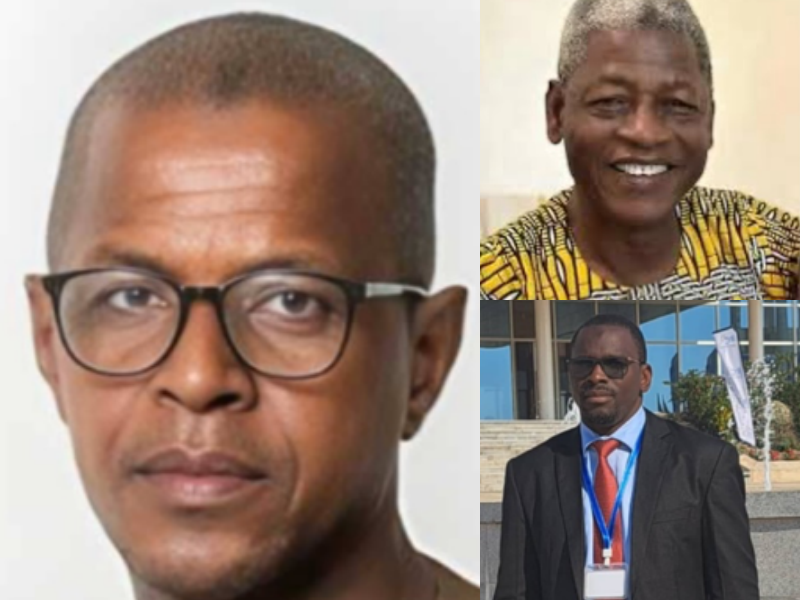
Serrekunda lawmaker Hon. Musa Cham said his office has repeatedly stressed the need for effective drainage and flood management, especially during the rainy season when homes and businesses face the greatest risk. He noted that earlier interventions dealt with symptoms rather than root causes.
“People have endured the consequences of blocked waterways for many years. The project needs to bring lasting protection and improvements,” Cham said. “The daily life of residents is disrupted when environmental hazards persist. The project’s success will be measured by how much it reduces these risks.”
Cham added that beyond clearing debris, the project must prioritize cleaner water, proper sanitation, and the restoration of local vegetation and biodiversity. He said lawmakers have a duty to monitor progress to ensure residents benefit fully from the investment.
Hon. Madi Ceesay of Serrekunda West said expectations extend beyond drainage, sanitation, and environmental safety. Historically, he noted, the Kotu Stream supported small-scale economic activities such as tie-and-dye production and vegetable gardening, particularly led by Serahule women from Dippa Kunda in the 1970s and 1980s.
“The stream was vital to livelihoods back then. Restoring its natural flow can allow such informal industries to re-emerge and support families,” he said.
Ceesay also underscored mobility and safety concerns, pointing out that many schoolchildren and market vendors cross the stream daily. Rehabilitation works, he said, must ensure these crossings become safe and reliable.
Old Yundum lawmaker Hon. Abdoulie Ceesay emphasized the need for transparent, fair, and humane relocation procedures for households occupying the stream’s natural course. Residents, he said, must understand why relocation is necessary and be included in decisions that affect their homes and livelihoods.
“Improvements must transform daily life, environmental restoration, public health gains, community resilience, and economic opportunities, but participation is key to ensuring dignity and safety,” he said. Relocation, he added, should never appear punitive toward people who unknowingly settled on waterway land.
The lawmakers said WACA has held consultations with local authorities, MPs, and community leaders to clarify project plans, including demolition and relocation processes. These discussions, they noted, are intended to ensure residents remain informed and engaged throughout the project’s implementation.
The Kotu Stream, which flows through densely populated neighborhoods, has long been known for severe flooding during the rainy season, damaging homes, displacing families, and disrupting economic activity.
Residents say the unmanaged waterway has also contributed to rising health risks, including waterborne diseases and mosquito-borne infections.
As work progresses, the lawmakers insist the project must be judged by the improvements it brings to daily life: safer mobility, cleaner water, restored livelihoods, and communities that understand and support the changes. Sustained monitoring, strong collaboration, and open communication with residents, they said, will be essential to ensuring long-term success.