


Gambiaj.com – (BANJUL, The Gambia) – The Public Utilities Regulation Authority (PURA) has disclosed that The Gambia continues to rely on neighboring Senegal for the testing of petroleum products—a practice lawmakers say must end, with clear timelines set for establishing a national fuel testing laboratory.
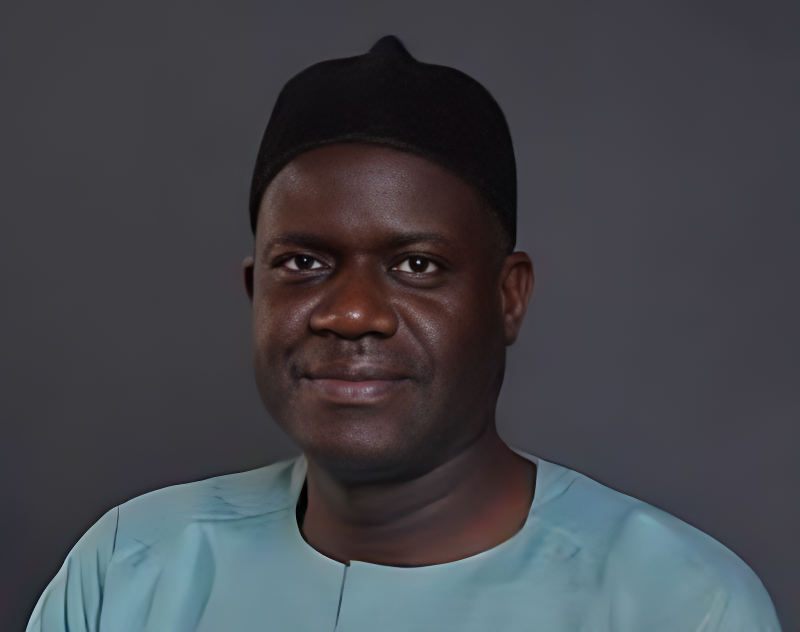
Appearing before the National Assembly committee to present PURA’s 2023–2024 Annual Reports and Financial Statements, Managing Director Njogou L Bah confirmed that fuel samples are sent to Senegal under an existing contract with SJS Senegal because The Gambia lacks an accredited laboratory as required by the Petroleum Products Act.
He acknowledged that although the arrangement is costly, it remains preferable to not conducting any testing at all.
Bah explained that private investors, including a group from Nigeria, had previously explored establishing an accredited fuel testing facility in The Gambia but withdrew after determining that the market size was too small to justify the investment.
Efforts to collaborate with the Gambia Standards Bureau also stalled due to the bureau’s limited technical capacity and lack of equipment.
Lawmakers pressed PURA to provide concrete timelines rather than broad assurances, insisting that progress on establishing the laboratory must be reflected in the authority’s next report before 2026.
Bah noted that a structure for a national laboratory has already been identified under the SIGPRO project, but critical equipment was not included in the project’s initial design.
He added that although PURA is not the direct beneficiary of the project, it remains committed to advocating for progress through the relevant government committees.
Committee members also scrutinized per diem payments associated with transporting fuel samples to Senegal. Bah clarified that these payments were funded from PURA’s own budget and were tied to official duties related to sample collection and overseas testing.
Addressing licensing issues, Bah confirmed that some telecom operators previously charged fixed fees had failed to roll out services or had suspended operations.
Lawmakers warned that inconsistencies in applying percentage-based charges must be addressed before the next audit cycle.
The committee further reviewed unresolved audit findings, including gaps in IT risk management and delays in PURA’s head office construction project, where 40 percent of the contract value had already been paid despite minimal progress due to site changes and additional soil testing requirements.
Lawmakers cautioned that recurring audit queries would no longer be tolerated, signaling heightened parliamentary oversight of the regulator in the years ahead.