





Gambiaj.com – (BAMAKO, Mali) – Mali has reached an agreement with Guinea to develop an alternative corridor for the transit of its goods, marking a strategic move to reduce dependence on its traditional trade routes through Senegal’s port of Dakar and Côte d’Ivoire’s port of Abidjan. The decision was announced at the end of Mali’s Council of Ministers meeting held on Wednesday, January 28.
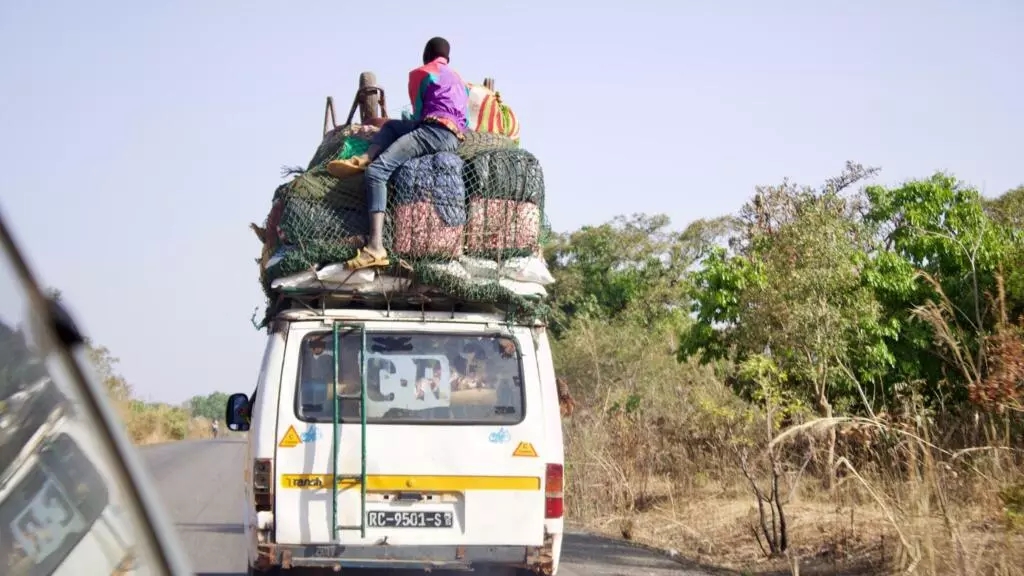
As part of the new cooperation framework, Mali and Guinea have signed road, maritime transport, and transit agreements designed to facilitate the movement of Malian goods through Guinean territory.
Under the deal, Bamako will secure port space and dedicated facilities for the handling and processing of its cargo at the port of Conakry.
In a reciprocal gesture, Mali has agreed to cede 10 hectares of land near the Kouremalé–Bamako road to Guinea for the construction of logistics infrastructure and storage facilities.
The agreement builds on a steady increase in Malian exports transiting through Guinea in recent years. Volumes rose sharply from 299 tonnes in 2022 to 7,624 tonnes in 2023, with official figures from the first half of 2024 confirming the continuation of this upward trend.
Despite this growth, Guinea remains a marginal route compared to Mali’s dominant corridors: nearly 2.5 million tonnes of Malian goods were unloaded in Dakar in 2025, while Abidjan handled 835,216 tonnes, representing an increase of more than 24.3 percent.
The push to develop an alternative corridor gained urgency following ECOWAS sanctions imposed on Mali in 2022, which severely disrupted supply chains and exposed the country’s vulnerability to external shocks.
In Bamako, the political will to diversify transit routes is now firmly established as part of a broader strategy to enhance economic resilience and logistical autonomy.
However, significant challenges remain before the Conakry route can rival Dakar or Abidjan. The competitiveness of port costs, the condition of the road network linking Guinea and Mali, and security along the corridor will be decisive factors in determining whether the new route can become a viable and sustainable alternative for Malian trade.