







Gambiaj.com – (BANJUL, The Gambia) – A new study by the MRC Unit The Gambia at the London School of Hygiene & Tropical Medicine (MRCG at LSHTM) has revealed a significant gap between the high acceptance of human papillomavirus (HPV) vaccination among Gambian caregivers and their limited understanding of HPV, the vaccine, and cervical cancer.
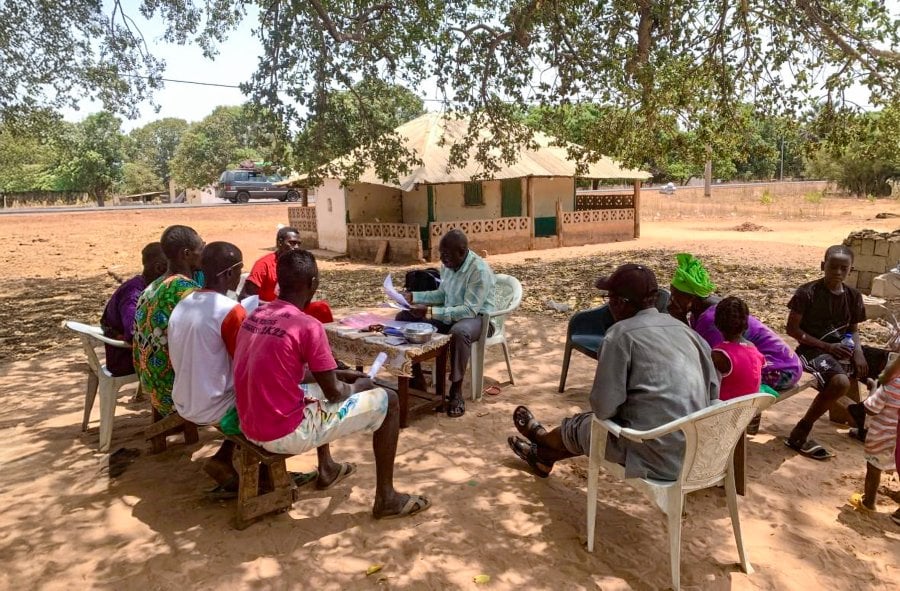
The qualitative research, which included 23 in-depth interviews and 10 focus group discussions with 83 primary caregivers across all five regions of the country, found that while most caregivers were willing to vaccinate their daughters, this acceptance was not rooted in adequate knowledge.
Researchers warn that this leaves families vulnerable to misinformation and uncertainty, particularly harmful at a time when cervical cancer remains one of the deadliest diseases affecting Gambian women.
Dr. Penda Johm, co-author and postdoctoral researcher at MRCG at LSHTM, stressed that willingness alone is not enough.
“We found that acceptance of HPV vaccination does not actually stem from well-informed primary caregivers,” she said. “Primary caregivers in The Gambia need accurate and accessible information to make well-informed decisions about HPV vaccinations for their daughters.”
The study identified strong trust in health workers and community leaders as a major driver of vaccine acceptance.
But it also found that misinformation, especially rumors linking HPV vaccination to infertility or population control, circulating largely through social media poses serious risks for families trying to navigate health decisions.
Gender norms also play a significant role. While mothers are typically responsible for child healthcare, they often depend on the approval of fathers or older relatives before giving consent for vaccination.
Communication challenges persist as well, with many caregivers reporting unclear school consent procedures, limited interaction with healthcare workers, and confusion about HPV symptoms and their link to cervical cancer.
These issues are particularly concerning given that more than 770,000 women in The Gambia are at risk of cervical cancer. The country records an estimated 286 new cases annually. Despite the introduction of the HPV vaccine in 2019, uptake remains low: only 34% of eligible girls received the first dose, and just 30% completed the final dose in 2021.
Professor Ed Clarke, co-author and vaccines and immunity lead at MRCG at LSHTM, emphasized the urgency of addressing these gaps.
“These findings show that acceptance alone is not enough. To improve HPV vaccine uptake, we must bridge the knowledge gaps, tackle misinformation, and ensure that families, especially mothers, have the support and accurate information they need to confidently protect their daughters from cervical cancer,” he said.
With sub-Saharan Africa accounting for 20% of global cervical cancer cases and 25% of related deaths, the implications of the Gambian study extend well beyond national borders.
The researchers urge stronger community engagement, clearer informed consent procedures, more inclusive approaches to family decision-making, and expanded collaboration with trusted local figures to build lasting confidence in HPV vaccination.