

Gambiaj.com – (BANJUL, The Gambia) – The appeal trial of Ousman Sonko, The Gambia’s former interior minister convicted of crimes against humanity, is scheduled to begin on March 30, 2026, before the Higher Appeals Chamber of the Swiss Federal Criminal Court.
The proceedings, which will run over several weeks in southern Switzerland, are expected to mark a critical phase in international efforts to secure accountability for atrocities committed during the 22-year rule of former Gambian leader Yahya Jammeh.
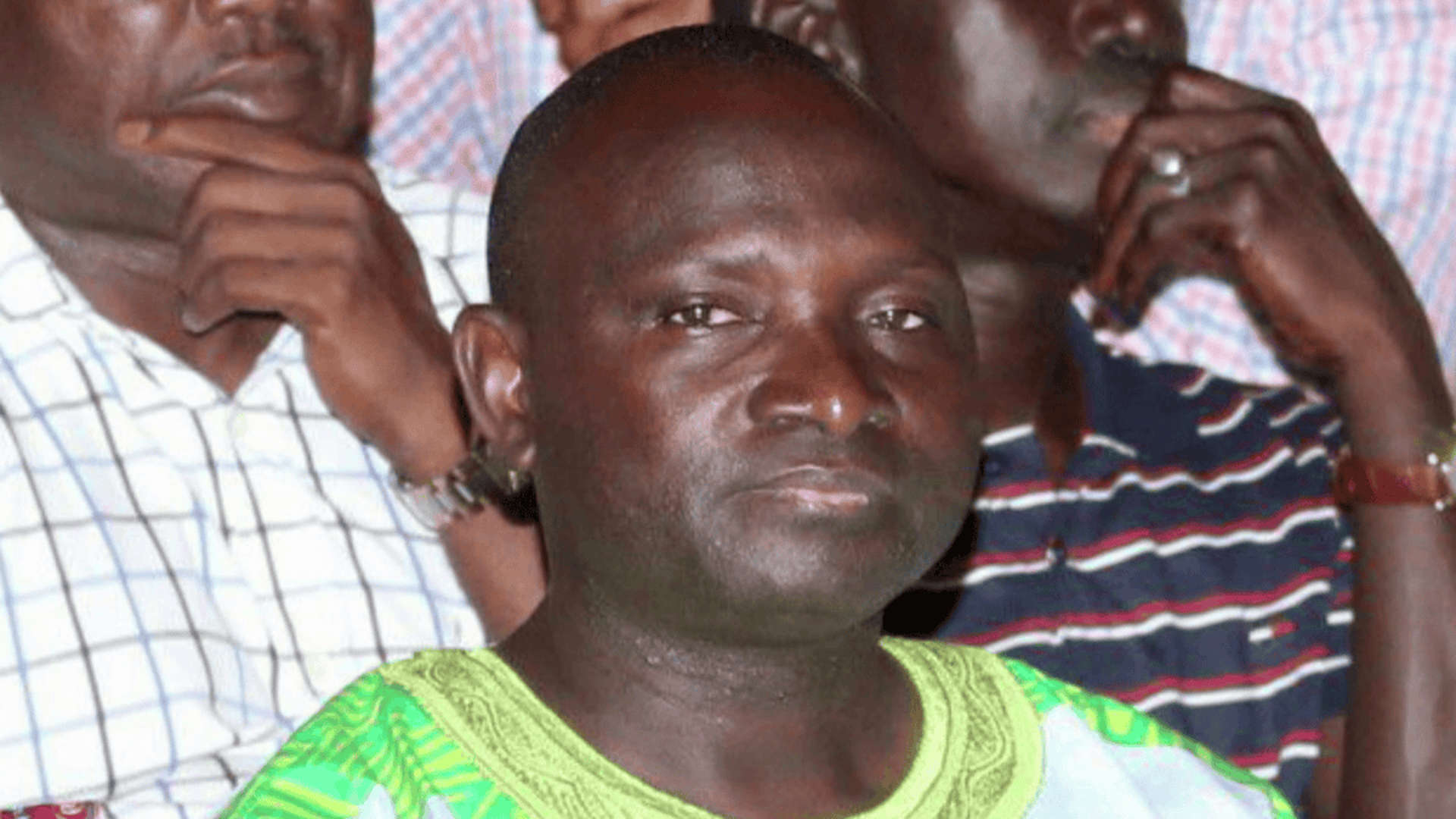
Sonko, 56, was convicted on May 15, 2024, by the lower chamber of the Federal Criminal Court on multiple counts of intentional homicide, torture, and false imprisonment, all classified as crimes against humanity.
He was sentenced to 20 years in prison, with nearly seven years already credited for time spent in pretrial detention since his arrest in Switzerland in January 2017. The conviction covered abuses committed between 2000 and 2016, a period during which Sonko rose through Jammeh’s security apparatus and served as interior minister from 2006.
Appeals have been filed by several parties, including Sonko himself, who has consistently denied wrongdoing, the Swiss Office of the Attorney General, and 10 private plaintiffs.
Some of the plaintiffs are challenging the trial court’s decision to drop charges related to rape and sexual violence. The Higher Appeals Chamber will review both the findings of guilt and sentencing, with the possibility of adjusting the scope of Sonko’s criminal responsibility or the length of his sentence.
Hearings are scheduled for March 30, March 31 to April 2, April 7 to 10, and April 14 to 17, with reserve dates extending into late April. The case is expected to attract sustained attention from international human rights observers, legal experts, and Gambian victims’ groups.
Sonko’s prosecution is rooted in his senior role under Jammeh, who seized power in a 1994 coup and ruled The Gambia until his ouster in 2017. Born in 1969, Sonko joined the Gambian military in the late 1980s and took part in the coup that brought Jammeh to power.
He later commanded the military police and the State Guard before becoming interior minister, overseeing internal security forces accused of widespread repression.
The charges detailed Sonko’s alleged involvement in several notorious incidents, including the violent suppression of student protests in April 2000 that left at least 14 people dead, the 2005 killing of around 50 West African migrants wrongly suspected of plotting a coup, and the torture of political opponents and journalists.
The court also linked Sonko to abuses at the National Intelligence Agency headquarters in Banjul, the 2006 killing of newspaper editor Deyda Hydara, and the 2016 torture and death in custody of activist Ebrima Solo Sandeng following protests over the arrest of opposition leader Ousainou Darboe.
A contentious aspect of the 2024 verdict was the court’s decision not to pursue rape and sexual violence charges, despite allegations from victims.
Prosecutors argued the acts formed part of a systematic pattern of repression, but judges ruled that they were not sufficiently proven as crimes against humanity. Rights groups, including TRIAL International—which filed the initial complaint against Sonko in 2016—have criticized the ruling as a missed opportunity to address gender-based crimes under authoritarian rule.
The case is Switzerland’s second civilian trial for crimes against humanity, following the 2022 conviction of Liberian warlord Alieu Kosiah. It is also regarded as a landmark application of universal jurisdiction, allowing national courts to prosecute grave international crimes regardless of where they were committed. Sonko is the highest-ranking former Gambian official to face such charges in Europe.
In The Gambia, the Truth, Reconciliation, and Reparations Commission (TRRC), established after Jammeh’s fall, recommended the prosecution of Sonko and other former officials. However, domestic judicial proceedings have moved slowly, prompting many victims to seek justice abroad.
Reactions to Sonko’s 2024 conviction were largely positive. Human Rights Watch described it as a landmark victory for Gambian victims, while UN High Commissioner for Human Rights Volker Türk welcomed it as a significant advance in the fight against torture and arbitrary killings.
The Gambia Press Union also praised the ruling for addressing abuses against journalists. Survivors, including Fatou “Toumba” Jawara, who testified during the trial, said the verdict represented an important step toward healing.
Sonko, who sought asylum in Switzerland after Jammeh’s ouster, remains detained in a Bern-area prison. If his appeal is unsuccessful, he is expected to be expelled from Switzerland after completing his sentence.