

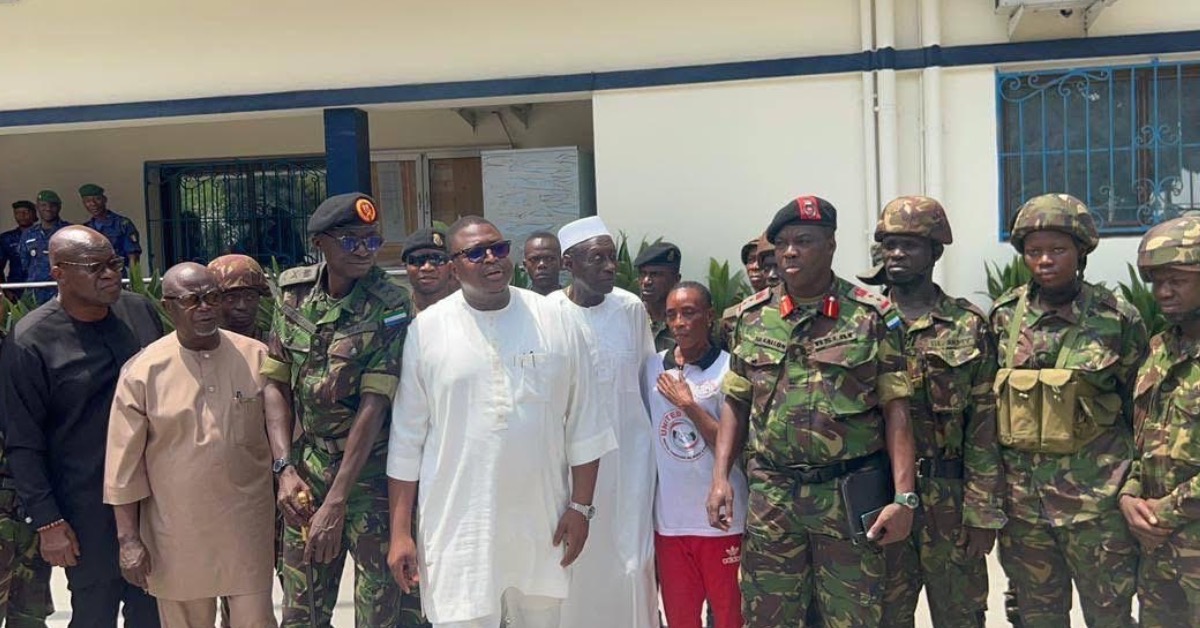

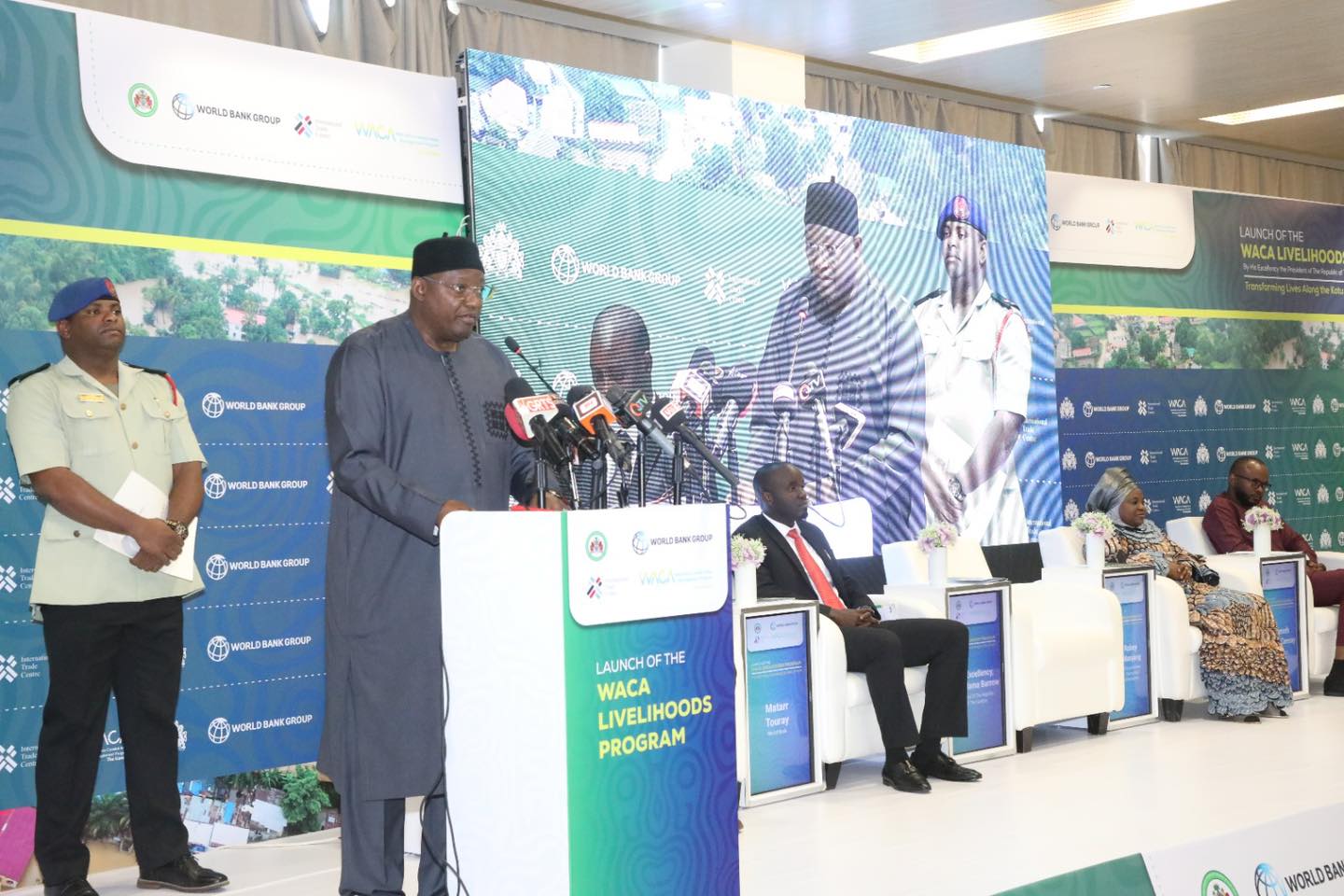
Gambiaj.com – (BANJUL, The Gambia) – In a major step toward climate resilience, President Adama Barrow on Tuesday officially launched the Gambian component of the West Africa Coastal Areas Resilience Investment Project (WACA). The initiative is designed to protect coastal communities and transform the environmental health of the Greater Banjul Area as part of a broader regional effort to strengthen coastal defenses across West Africa.
The Gambian chapter of this project specifically targets the Kotu Stream, an area increasingly plagued by severe flooding and pollution. During his keynote address, President Barrow revealed that the project carries a total cost of $45 million and aims to provide a sustainable solution for one of the country’s most vulnerable ecological zones.
Focus on Livelihoods and Vulnerable Groups
A central pillar of the launch is the Livelihoods Improvement Programme, which is set to support approximately 4,000 beneficiaries over the next two years. The President disclosed that the fourth wave of this program alone is disbursing $1.6 million to 1,500 individuals.
This initiative focuses heavily on entrepreneurs, livelihood groups, and farmer-based organizations operating along the Kotu Stream. To ensure inclusive growth, the government is prioritizing women, youth, and persons with disabilities to protect their livelihoods, strengthen food security, and support long-term climate adaptation.
President Barrow emphasized that resilience is built through empowerment and dignity rather than financial support alone, urging the beneficiaries to take full ownership of the programme and use the opportunities responsibly.
Strategic Policy and Environmental Protection
The President also noted that the WACA project aligns with national development plans and has already supported the creation of key policy instruments, including the country’s first Climate Change Bill, the National Land Policy, the Rainwater Harvesting Policy, and the National Disaster Risk Management Policy. Masanneh Landing Ceesay, the WACA Project Coordinator, highlighted the critical importance of the Kotu Stream, noting that it serves as a natural drainage system for 11 communities and supports more than 200,000 people.
The stream is vital for sustaining farming, fishing, tourism, and various small-scale businesses. However, Ceesay warned that the area faces mounting pressures from environmental degradation and climate change that threaten both the ecosystem and local livelihoods.
The World Bank’s Matarr Touray added that the livelihoods component complements planned large-scale infrastructure works. These include the restoration and reprofiling of the 11.2-kilometer Kotu Stream, with technical studies and designs expected to be completed by the end of 2026.
President Barrow concluded the event by expressing his appreciation to the World Bank and the International Trade Centre, reaffirming his administration’s goal of moving The Gambia toward middle-income status through a resilient and inclusive economy.