

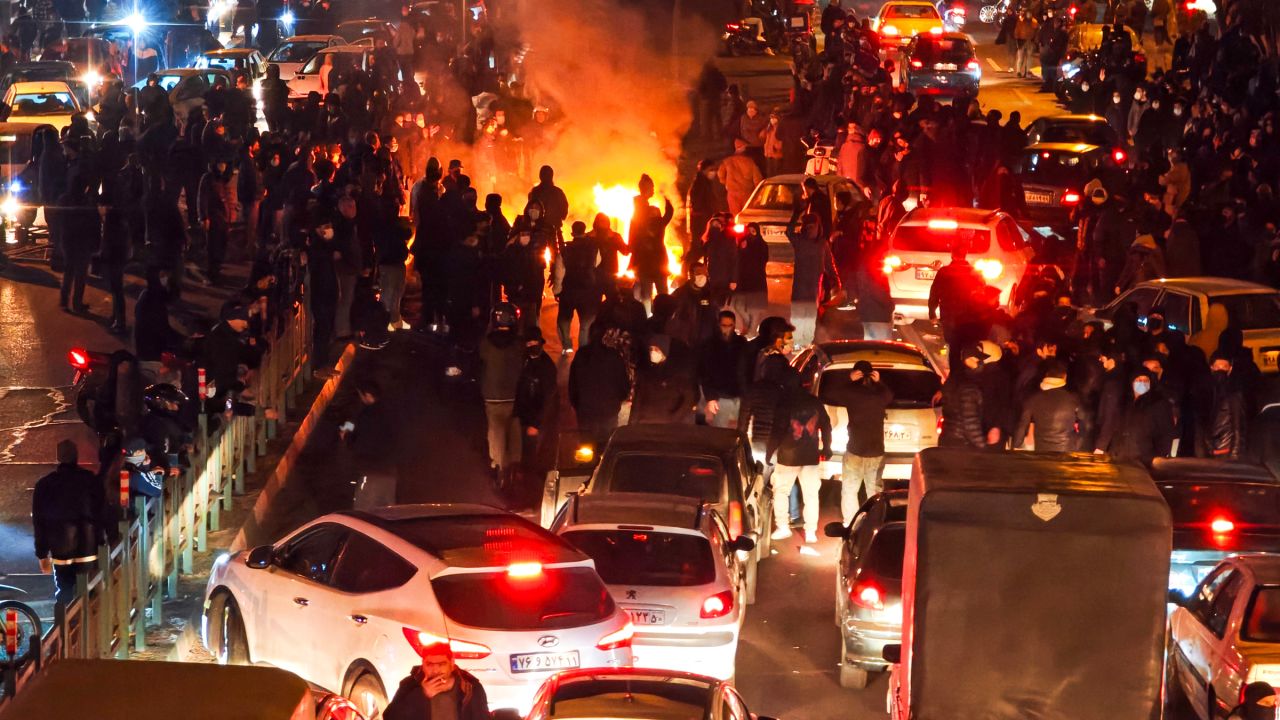
Gambiaj.com – (WASHINGTON, D.C, United States) – President Donald Trump has urged US citizens to leave Iran amid escalating anti-government protests that have entered their third week, as reports indicate a mounting death toll and a deepening international response to Tehran’s crackdown.
Speaking to reporters on the floor of a Ford factory in Michigan, President Trump said it would be “not a bad idea to get out” for Americans and citizens of US allies who remain in Iran. He said the US administration has not yet been able to confirm an accurate number of those killed in the unrest, noting wide discrepancies in reported figures.
“Nobody’s been able to give me an accurate number,” Trump said. “I’ve heard numbers much lower, and I’ve heard numbers much higher. We’ll be knowing. We’re probably going to find out over the next 24 hours.”
A US-based rights group reports that at least 1,850 protesters have been killed in more than two weeks of demonstrations across Iran, though the figure cannot be independently verified.
The White House said President Trump has canceled planned meetings with Iranian officials and has publicly encouraged protesters to continue demonstrating, stating earlier that “help is on its way.” However, he declined to elaborate on what that assistance might entail.
The administration has also announced a 25 percent tariff on countries that continue to do business with Iran, further tightening economic pressure on Tehran. In a notable development, Trump did not attend a scheduled meeting of national security officials focused on Iran, according to the White House.
Tehran Residents Describe Fear, Defiance, and Daily Life Under Crackdown
Inside Iran, communications restrictions imposed by the government show limited signs of easing. Some landline and mobile phone users have been able to place international calls for the first time in more than four days, though internet access remains cut off for a fifth consecutive day.
In Tehran, residents describe a city divided by fear and defiance. A local resident, speaking anonymously due to security concerns, told CNN that the capital is quiet during the day before protests resume at night.
“People finish work, go home, change, and take to the streets,” the resident said, adding that while protests have been less intense since the weekend, the situation remains dire. Hospitals are reportedly at capacity, and cemeteries have begun turning people away because of overcrowding.
The resident described the early days of the protests as massive and inclusive, drawing people of all ages and backgrounds, before violence escalated sharply. Some demonstrators are now protesting alone to reduce the risk to friends and family, while others suspect the violence may be exacerbated by regime forces or foreign actors.
“But most people are just fed up,” the resident said. “The situation is really, really dire; people are hungry and angry. Life is unaffordable for the rich, let alone for poor and lower-class people.”
International condemnation of Iran’s actions continues to grow. German Chancellor Friedrich Merz said he believes the Iranian regime could be facing its “last days and weeks,” while several European countries have summoned Iranian ambassadors to protest Tehran’s handling of the unrest.
As demonstrations persist and diplomatic pressure intensifies, uncertainty remains over the true scale of the violence and the direction Iran’s political crisis may take in the days ahead.