




Gambiaj.com – (BANJUL, The Gambia) – Regional officials, development partners, and technical experts have converged in Banjul for a high-level meeting aimed at strengthening food and nutrition security across the Sahel, amid mounting climate shocks and global economic pressures.
The three-day Regional Technical Coordination Committee meeting brings together representatives from nine Sahelian countries, the African Development Bank, the Permanent Interstate Committee for Drought Control in the Sahel (CILSS), and other regional institutions to assess progress and align strategies under the Sahel Food and Nutrition Security Programme.
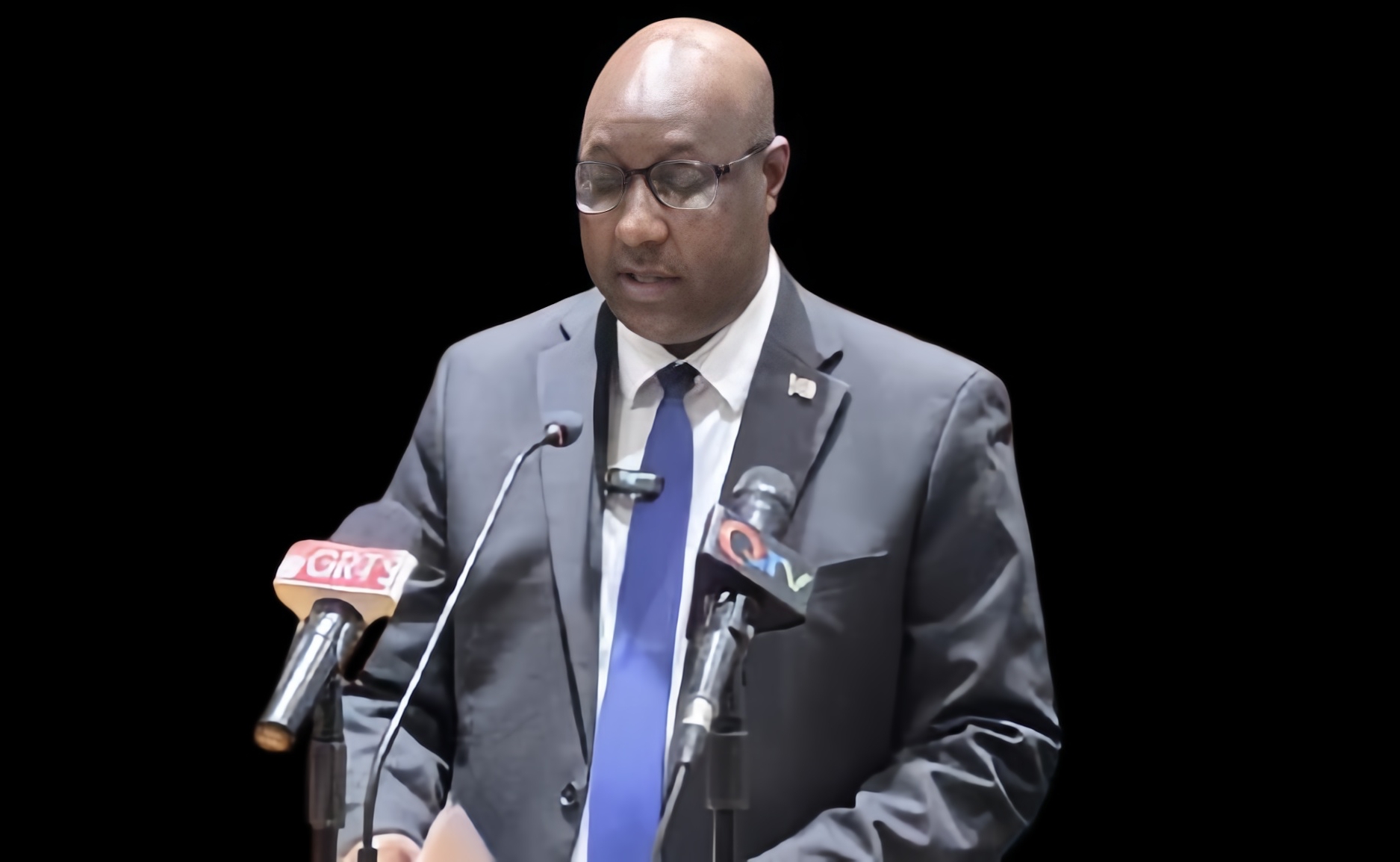
Opening the meeting, The Gambia’s Minister of Agriculture, Livestock, and Food Security, Dr. Demba Sabali, said the gathering comes at a decisive moment for the region as countries grapple with climate change, food price volatility, and growing vulnerability of rural communities.
“I wish to recognize that your individual and collective presence is a symbol of our shared commitment and determination to confront one of the most pressing challenges of our time, which is to ensure that every household has secure access to nutritious food despite climate shocks and global economic pressures,” Dr. Sabali said.
He conveyed the warm greetings of President Adama Barrow and the Government of The Gambia, expressing appreciation for the confidence shown in the country to host the meeting.
Dr. Sabali said The Gambia values the trust placed in it and hopes that participants will find the country’s hospitality conducive to “thoughtful and impactful dialogue” in advancing regional food security goals.
The Executive Secretary of CILSS, Abdoulaye Mohamed, praised The Gambia for hosting the meeting and highlighted the achievements of the program’s second phase. He noted that more than 8,300 subprojects have been financed across member states, with about 50 percent directly benefiting women.
Mohamed explained that the Programme for the Development of Resilience in the Sahel (PDRS) is designed as a long-term regional initiative spanning 20 years, implemented through successive five-year phases.
The approach, he said, is intended to meet commitments by Sahelian states and regional institutions to strengthen the resilience of populations in the Sahel and West Africa.
According to CILSS, the first phase of the P2-PDRS has delivered tangible benefits to rural communities through investments in agricultural production, processing, and commercialization, offering renewed hope to vulnerable populations.
In The Gambia, program interventions have included the distribution of more than 90 tonnes of seeds and 100 tonnes of fertilizer, capacity-building for farmers, and support for young agripreneurs. Officials say these efforts have contributed to job creation, improved productivity, and increased rural incomes.
Over the next three days, participants will review the implementation of 2025 work plans, identify operational challenges, and develop a consolidated work plan and budget for 2026. The meeting will also include field visits to project sites, allowing delegates to engage directly with beneficiary communities.
Officials say outcomes of the Banjul meeting are expected to strengthen regional coordination, improve project delivery, and consolidate gains made in building resilience and food security across the Sahel.