

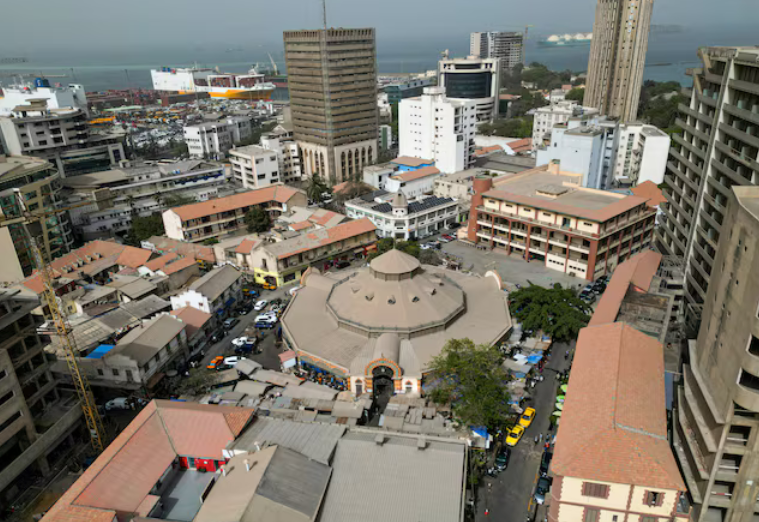
Gambiaj.com – (DAKAR, Senegal) – The financial stability of Senegal is facing an acute crisis, with Bank of America (BofA) Global Research estimating that a restructuring of the nation’s external debt is becoming “increasingly likely” in the second half of 2026.
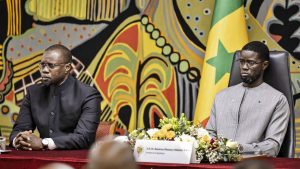
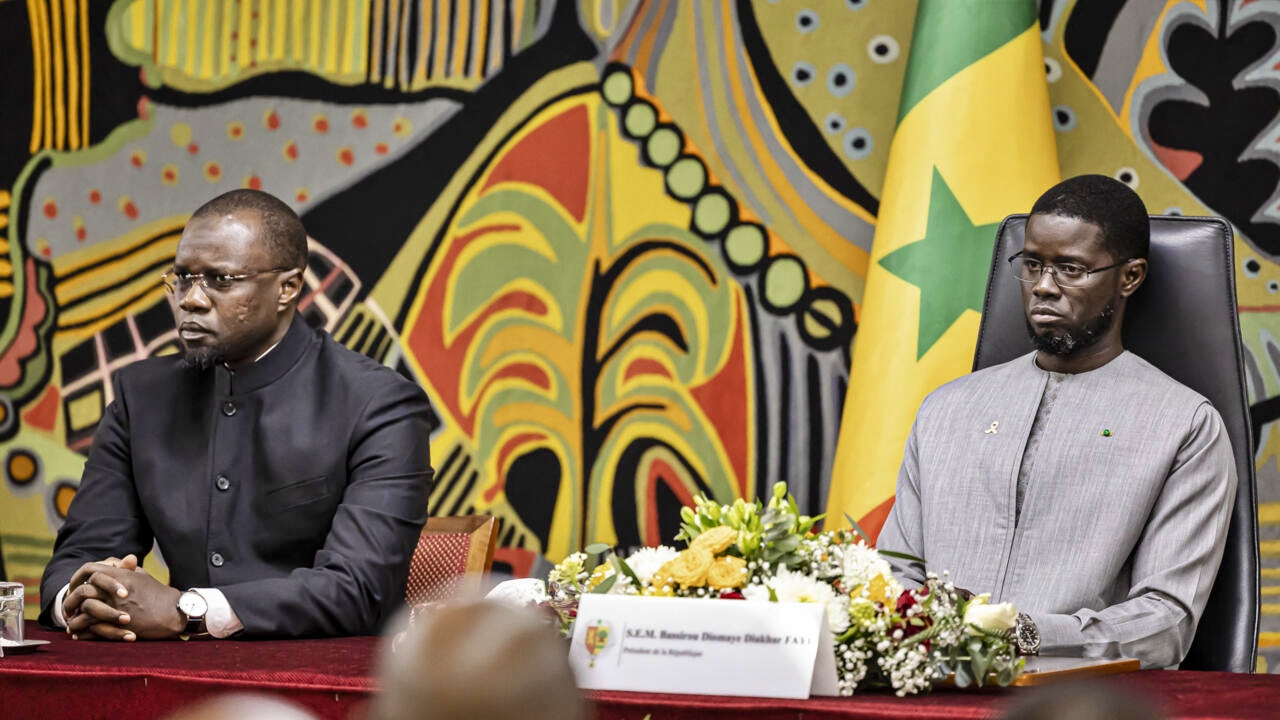
This stark forecast puts significant pressure on the new administration in Dakar, which has categorically rejected the possibility of a debt restructuring, calling it a “disgrace.”
The report, published this Thursday, comes as Senegal grapples with billions of dollars in “hidden debt” left undeclared by the previous government, which has dramatically worsened its financial profile.
BofA: ‘Not Credible’ to Avoid Restructuring
Bank of America’s analysis is blunt: the current financial path is unsustainable.
“We expect a moratorium on external debt and restructuring negotiations to become increasingly likely toward the second half of 2026,” the bank stated in its note.
The core of the issue, according to BofA, is the country’s financing strategy. To cover its 2026 needs, Senegal would have to raise 40% more than it did in 2025, a goal the bank dismisses as “not credible.”
This prediction immediately shook the market, with prices for Senegalese dollar bonds maturing in 2031 falling by 2.25 cents to a historic low of 62.67 cents.
Deepening Dependency: The Structure of Senegal’s $47.2 Billion Debt
The World Bank’s latest data underscores the country’s profound financial dependency. According to its annual overview, Senegal’s total debt stock has reached $47.2 billion, a staggering ratio of 151% of its Gross National Income (GNI). This position has pushed Senegal to second place among the most indebted countries in Africa.
The breakdown of this debt reveals a strong reliance on international partners, leaving Dakar vulnerable to external conditions and negotiations. This is because multilateral development banks (World Bank, IMF, AfDB, BOAD) hold the largest share at 41% of the debt.
Private creditors hold a nearly equal stake at 40%, while China (8%) and France (5%) complete the list of major bilateral lenders.
This structure means that any attempt to consolidate or restructure the debt will require complex, simultaneous negotiations with a diverse group of powerful international institutions and private financial markets.
Systemic Risk: The Danger of ‘Hidden Swaps’
Beyond the main debt figures, the bank highlighted a critical systemic risk: Total Return Swaps (TRS).
BofA estimates that Senegal has contracted between $750 million and $1 billion in these instruments this year.
Crucially, these swaps often include “trigger clauses” that could force immediate repayment if, for example, the country’s credit rating is downgraded. The bank warned that a triggering of these swaps “would exert severe stress and could potentially accelerate a restructuring scenario.”
IMF and World Bank Detail Alarm
On the same Thursday, the IMF announced it had made “significant progress” in negotiations for a new loan program but confirmed it is conducting an internal review to understand how billions of dollars of undeclared debt could have escaped its scrutiny. The Fund admitted it is seeking to “reinforce safeguards in our own processes.“
Despite the escalating financial alarm, Prime Minister Ousmane Sonko and the Dakar government have stood firm on their commitment to repaying all debts and continuing discussions with the IMF without resorting to restructuring. Local authorities insist that they will determine “whether any debt needs restructuring,” leaving the final decision on the “disgrace” scenario in the hands of the new administration.