



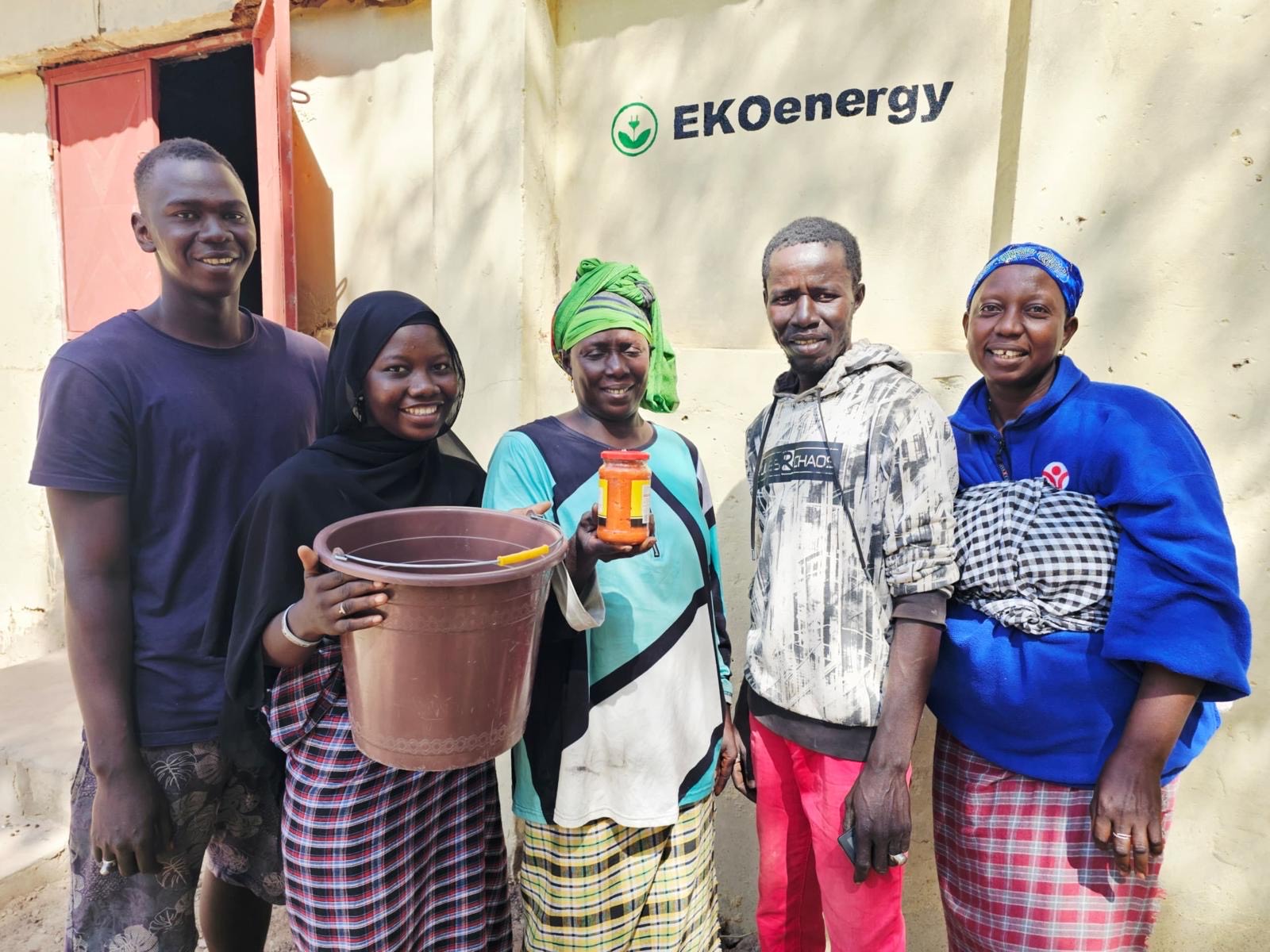
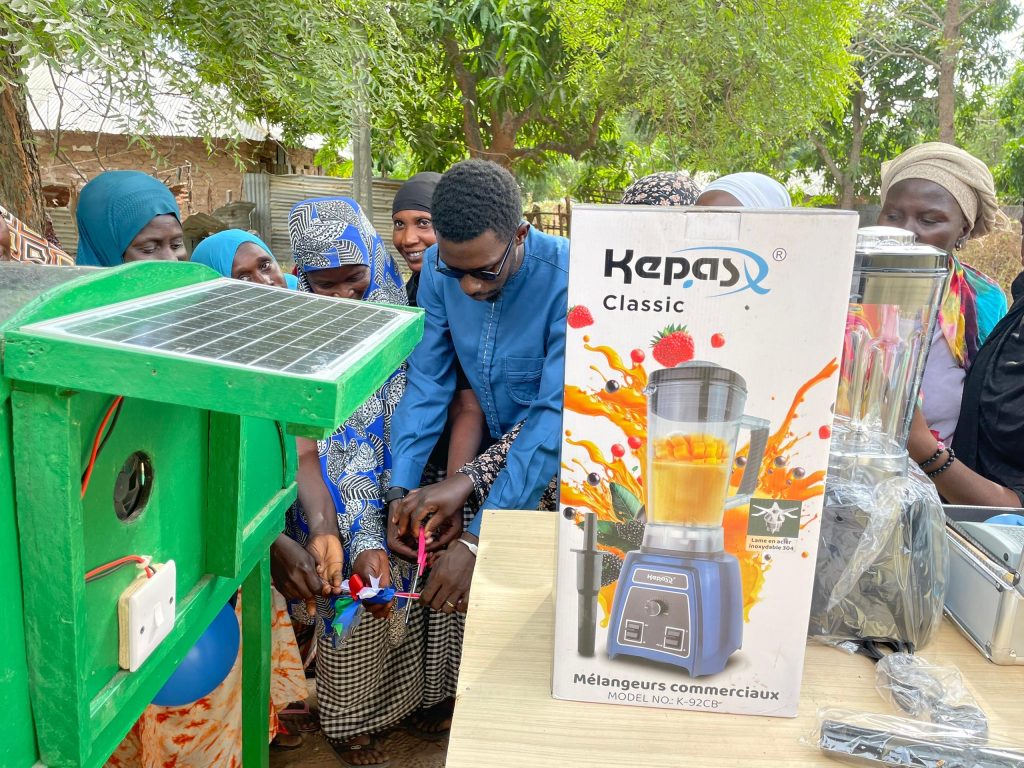
Gambiaj.com – (JIFFARONG, Lower River Region) – The community of Jiffarong has taken a significant leap toward agricultural self-sufficiency following the inauguration of a solar-powered food processing and cold storage facility. The initiative is set to transform the local economy by reducing post-harvest losses and empowering women farmers.
A Community-Driven Milestone
The official opening brought together 90 women farmers from the Jiffarong community garden, members of the Village Development Committee (VDC), and representatives from the Freedom from Hunger Campaign (FFHC), the project’s local implementing partner.
Distinguished attendees included FFHC Director Mr. Alpha P. Khan, Project Manager Mr. Abdou Karim Badjie, and Agriculture Extension Worker Mr. Lamin Nyabally. Speakers at the event emphasized that the facility is not just a building but a testament to community resilience and the vital role women play in the nation’s food systems.
Addressing the Storage Crisis
For years, Jiffarong’s remote location and limited transport links have stifled agricultural growth. While the community garden has been productive, farmers were largely restricted to growing onions because more perishable and profitable crops like tomatoes, peppers, and okra would often rot before reaching regional markets.
“Monitoring showed that production was limited by shelf life,” a project representative noted. The new facility, located adjacent to the garden, solves this bottleneck by providing a reliable, 100% solar-powered cold chain.
Technical Capacity and Sustainability
The hub is part of the Tesito Project, a long-term initiative funded by the Ministry for Foreign Affairs of Finland and implemented by the Finnish NGO Dodo in partnership with FFHC. Specific funding for the solar infrastructure was provided by EKOenergy, an international renewable energy ecolabel.
The facility is fully equipped to handle high-volume processing, featuring nine solar panels and four batteries for 24/7 power, but also cold storage units, including air conditioning and refrigeration.
It also comprises processing tools such as blenders and storage containers, as well as a specialized solar dryer for fruits, vegetables, and seed preservation.
To ensure long-term viability, farmers can rent shelf space for a modest fee, which will be pooled into a maintenance fund for the equipment.
From Harvest to Value-Addition
Beyond simple storage, the facility enables women to move up the value chain. Having already received training in canning and preservation earlier this year, the farmers can now produce tomato paste, jams, and dried fruits.
These value-added products can be sold year-round, providing a steady income even during the “lean season.”
The solar dryer also offers a strategic advantage for seed security, allowing the community to preserve high-quality seeds for future planting cycles or for sale to neighboring villages.
A Broader Green Impact
The partnership with EKOenergy extends beyond Jiffarong. The organization has previously funded a solar drip irrigation system for the village and has supported solar installations at four regional forest stations: Manduar, Dumbutu, Soma, and Bureng.
These sites now utilize renewable energy for boreholes and tree nurseries, marking a broader shift toward green energy in The Gambia’s rural sectors.
As the ceremony concluded, the women of Jiffarong expressed a renewed sense of optimism. With the burden of spoilage lifted, the community is now positioned to become a regional hub for sustainable, value-added agriculture.