


Gambiaj.com – (BANJUL, The Gambia) – The United Democratic Party (UDP) has been challenged to clearly articulate how it would address The Gambia’s mounting socio-economic and governance challenges if elected in the 2026 presidential election.
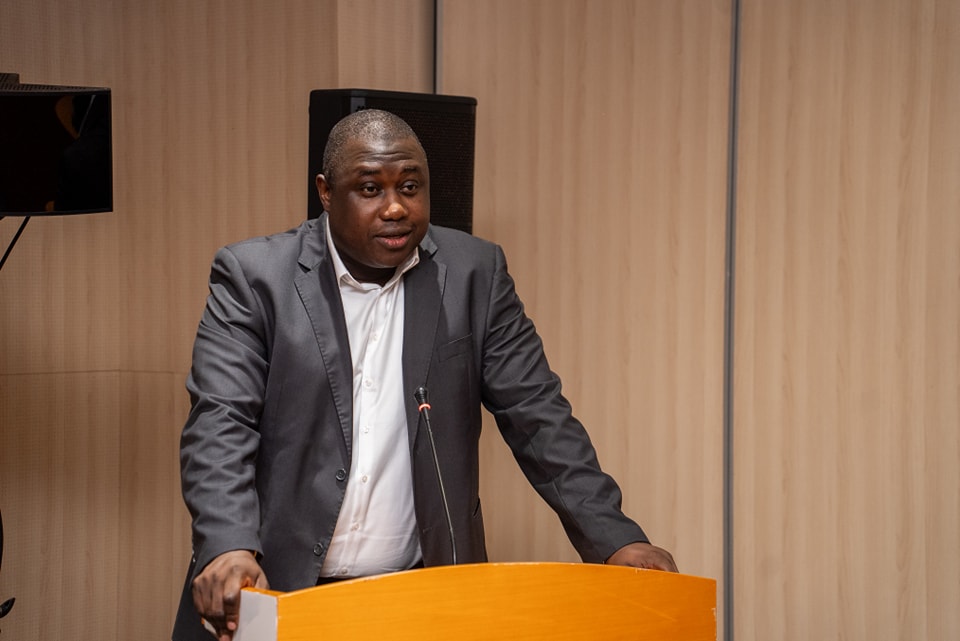
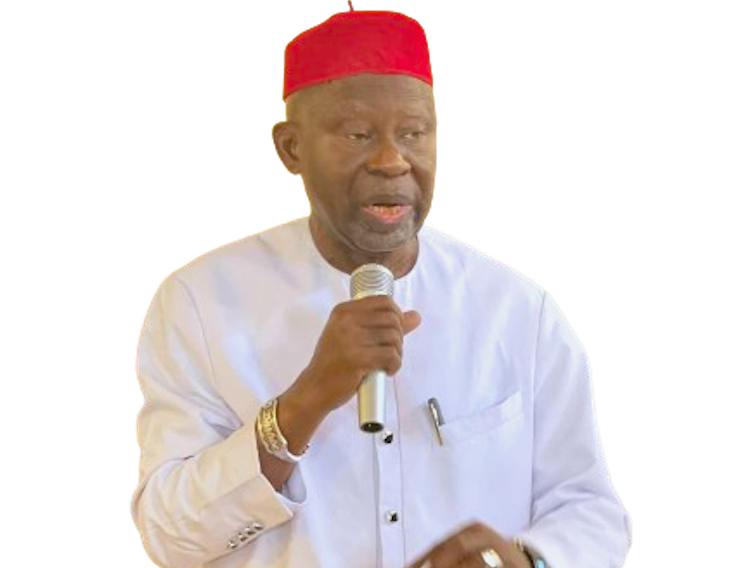
The question was raised during a press conference led by UDP Party Leader, Ousainou Darboe, following the party’s assessment of the country’s current situation under President Adama Barrow’s administration.
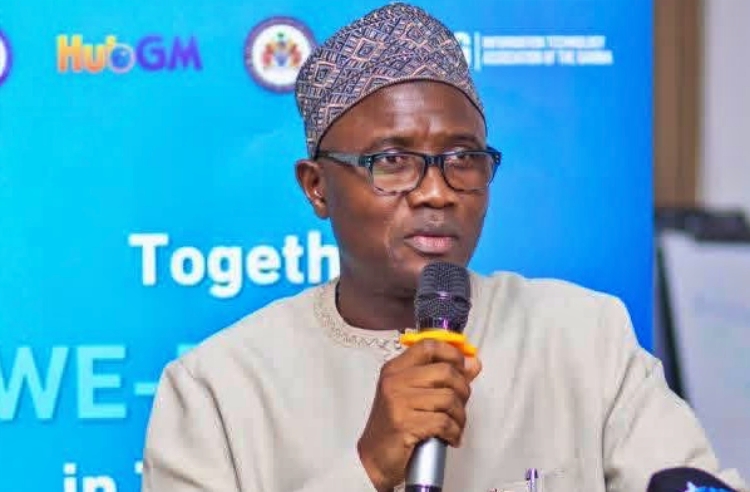
The Gambia Journal, posing a pointed question to the main Gambian opposition leader, referenced a range of issues highlighted by the UDP, including deteriorating health services, security concerns, irregular migration, agricultural decline, and what it described as a rapidly rising national debt.
“You have made mention of almost all the unfortunate happenings in the country, ranging from poor health conditions, security, irregular migration, agriculture, and to crown it all, the skyrocketing debt under President Barrow’s administration,” The Gambia Journal mentioned. “How will a UDP government remedy this menace if elected come 2026?”
In response, Ousainou Darboe attributed many of the country’s challenges to governance failures, weak institutions, and poor prioritisation of national resources. He argued that addressing these problems would require strong political will, fiscal discipline, and far-reaching institutional reforms aimed at restoring accountability and improving efficiency in public service delivery.
On irregular migration, Darboe said any sustainable solution must focus on its root causes, particularly unemployment, poverty, and limited opportunities for young people.
He warned that without tangible improvements in living conditions at home, migration pressures would continue unabated.
Turning to agriculture and food security, the UDP leader stressed the need for deliberate and sustained investment in the sector. He maintained that agriculture should be treated as the backbone of the economy rather than a peripheral concern, noting that consistent support for farmers is critical to achieving national prosperity.
Darboe also cautioned against unchecked public borrowing, warning that rising debt without corresponding development outcomes poses serious risks to economic stability and places an unfair burden on future generations.
The exchange highlighted growing public expectations ahead of the 2026 elections, with increasing calls for opposition parties to go beyond criticism of the incumbent government and present clear, practical, and people-centred policy alternatives.
As the election cycle approaches, observers say similar questions are likely to intensify scrutiny of political leaders, compelling them to explain how they intend to confront The Gambia’s most pressing socio-economic and governance challenges.