

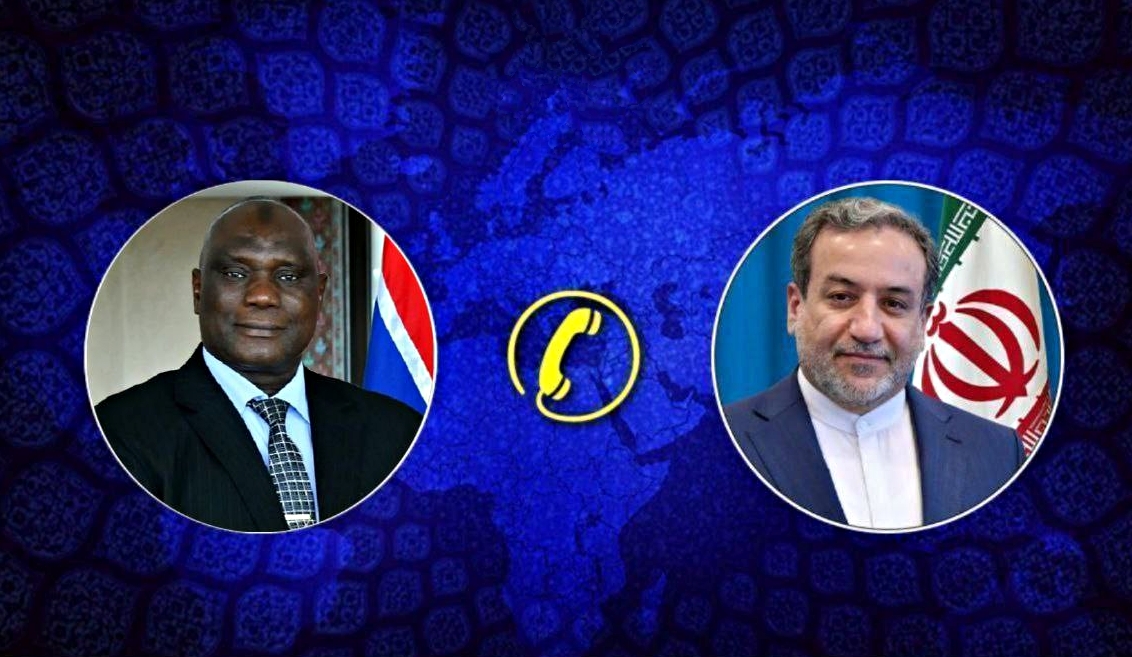

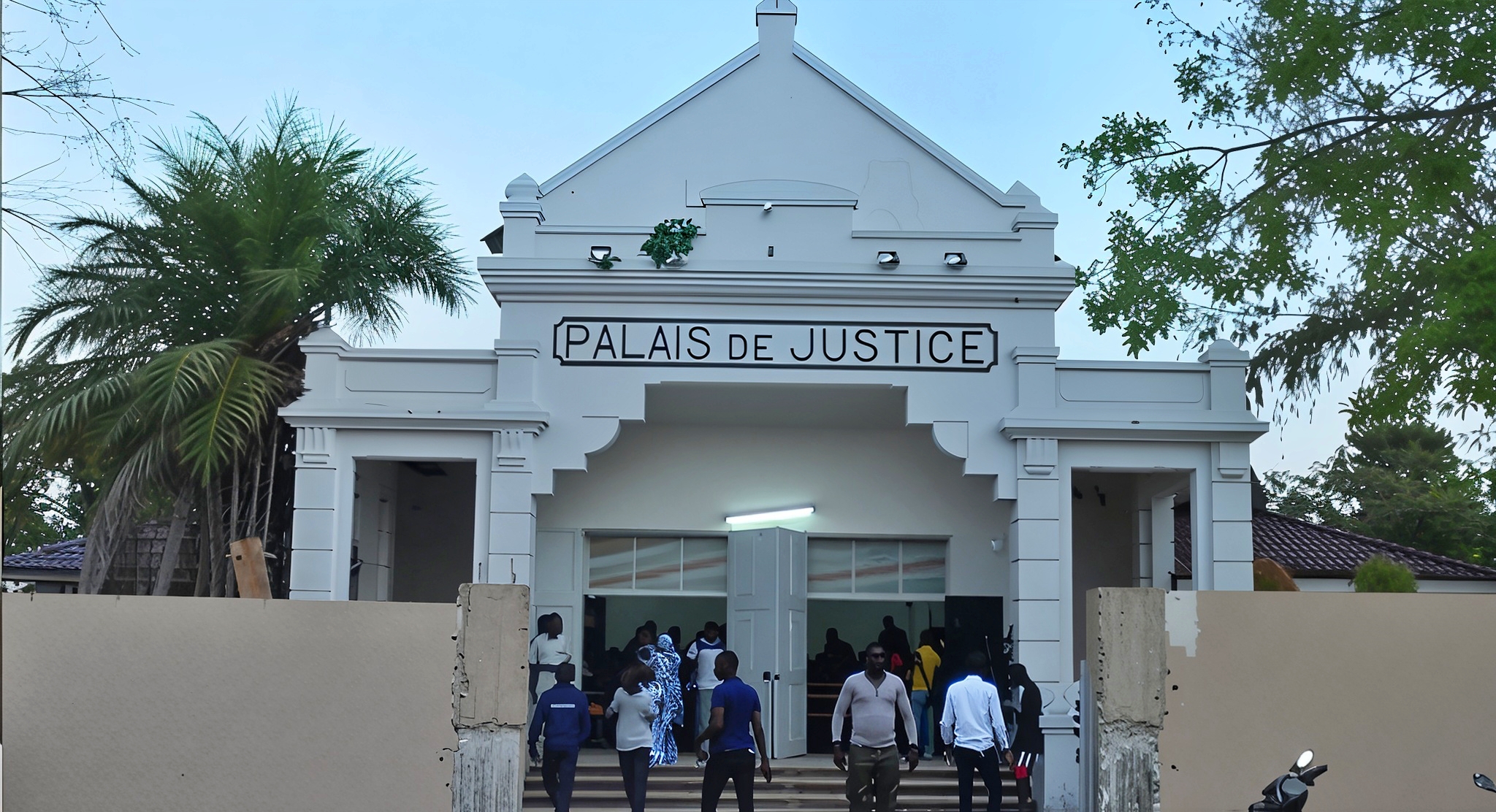
Gambiaj.com – (BANJUL, The Gambia) – The Supreme Court of The Gambia on Wednesday heard final arguments in a constitutional case filed by former Auditor General Modou Ceesay against the State, the Attorney General, and the Inspector General of Police, challenging the legality of his removal from office.
Appearing for the plaintiff, Counsel Lamin J. Darboe, alongside Jarra Jeng and F. Bandi, told the court they had filed their final brief and urged the judges to declare Ceesay’s removal unlawful.
Counsel Darboe argued that Ceesay, who held a constitutionally protected office, was removed through the actions of police officers under the Office of the President, acting through the Ministry of Justice and the Inspector General of Police.
He submitted that the office of the Auditor General is protected under Sections 158, 159, 160, and 169 of the 1997 Constitution, as well as Section 164 of the National Audit Act.
He told the court that the Constitution provides only two grounds for removing an Auditor General: inability to perform functions due to mental or physical incapacity or incompetence. In such cases, he said, the President must establish a tribunal chaired by a High Court judge to investigate the matter.
“The plaintiff was not removed for mental or physical illness, nor for incompetence,” Darboe said, adding that these constitutional safeguards exist to protect key public offices from arbitrary executive action.
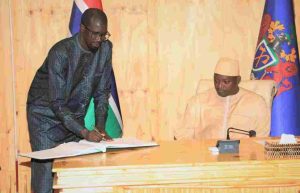
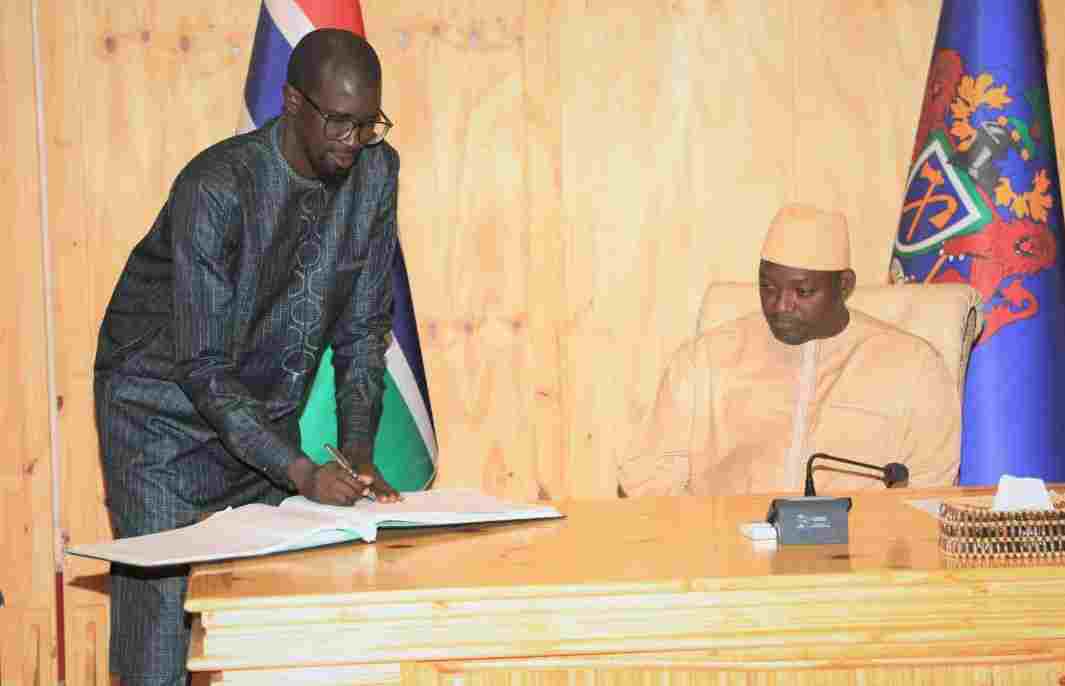
He further argued that the State, in its statement of defence, acknowledged that Ceesay was escorted out by police officers after he refused to vacate his office during the swearing-in of a new Auditor General.
Counsel Darboe described the removal as unlawful and unconstitutional, saying it violated the National Audit Act.
The plaintiff’s legal team also relied on the Supreme Court’s decision in the case of Ya Kumba Jaiteh v. Attorney General, arguing that the court had previously stressed the importance of strictly following constitutional procedures when removing holders of protected public offices.
State Counsel Ida Drammeh, representing the respondents alongside the Solicitor General and other state lawyers, countered that Ceesay was not forcefully removed. She told the court that in his own testimony, Ceesay admitted he was asked to leave and complied.
Drammeh further argued that once Ceesay accepted appointment as a minister, he automatically ceased to be Auditor General. Citing Section 229(2) of the Constitution, she said there was no evidence before the court of any forceful removal and that the plaintiff’s claims were unsupported.
She added that the ministerial appointment letter, bearing the national seal, was received by Ceesay and was never returned to the President.
Also addressing the court, Counsel Fatty for the plaintiff emphasized Sections 3 and 14 of the National Audit Act, which guarantee security of tenure for the Auditor General.
He argued that even if Ceesay had accepted the ministerial appointment or resigned, the law requires at least 30 days’ notice before a vacancy can arise.
“You cannot have a new Auditor General within two or three days,” he submitted, stressing that the statutory notice period must elapse before any replacement is made.
In response, Drammeh maintained that Section 16(3) of the National Audit Act requires 30 days’ notice only in cases of resignation and does not prevent the appointment of a successor before the expiry of that period.
The Supreme Court is expected to deliver its judgment at a later date.