



Gambiaj.com – (BANJUL, The Gambia) – As global food prices continue to shape household costs around the world, new projections suggest that The Gambia will face notable inflationary pressures in 2026, particularly in food costs that matter most to everyday consumers.
The findings come from a recent analysis by Visual Capitalist, drawing on forecasts from the Food and Agriculture Organization (FAO) that rank 160 countries by projected year-over-year food-price changes in 2026.
Projected Food Inflation in 2026
According to the FAO data compiled in the Visual Capitalist report, The Gambia’s food inflation is expected to rise by about 6.6% in 2026. This places the country in the mid-range of projected increases globally and among the notable rises in Sub-Saharan Africa.
While far below the highest projected rates in countries like Iran (55.9%) and Nigeria (17.1%), The Gambia’s projected rise still exceeds the global average food inflation of about 3.2% in 2026.
Within the region, The Gambia’s projected food inflation is higher than many advanced economies but moderate compared with several large emerging markets.
Context: Recent Inflation Trends Locally
Recent data from the Gambia Bureau of Statistics shows that food costs have already been elevated, with food inflation rising around 6.7% in December 2025 compared with the year before. Historical data also reflects volatility: food inflation in The Gambia has averaged over 8.2% from 2005 to 2025, with peaks above 20% in recent years.
The International Monetary Fund (IMF) has underscored that food remains a key driver of overall price levels in the country, largely because of import dependence and exposure to global price fluctuations.
While headline inflation has trended downward from earlier highs, persistent food price pressures mean that the cost of groceries and staples continues to strain household budgets.
A Burden for Households and Policy
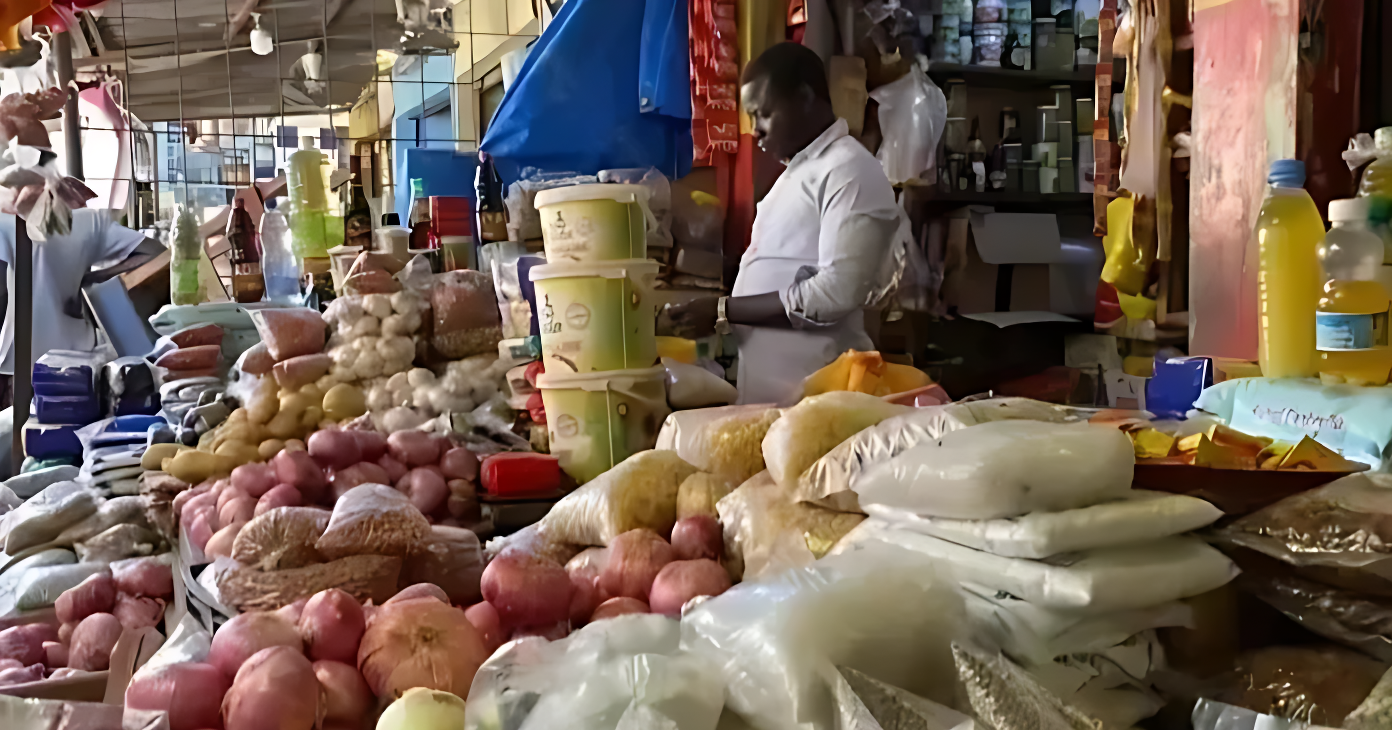
The projected 6.6% rise in food prices suggests that average households in The Gambia will face higher grocery bills in 2026, even if core general inflation trends moderate. Because a large share of consumer expenditure in The Gambia goes toward food, such price increases can meaningfully erode purchasing power, particularly for low-income families.
Economists typically factor in a range of influences on food prices, including global commodity price trends, currency fluctuations, import costs, and domestic supply conditions such as agricultural output and weather variability.
Countries that rely heavily on imported foodstuffs, like The Gambia, tend to be more exposed to international price shocks.
Policy-wise, this means that monetary and fiscal authorities may need to balance inflation management with measures that support food availability and buffer vulnerable consumers from volatile price swings.
The Central Bank of The Gambia’s Projection
While not among the worst-hit economies, the forecasted increase underlines the ongoing challenge food prices pose in the country’s broader inflation landscape.
At the bank’s first monetary policy committee meeting of the year 2026 in Banjul, the governor of the Central Bank of The Gambia, Buah Saidy, said food inflation has fallen to 6.2 percent in January from 6.4 percent in December 2025.
“In January 2026, core inflation, which excludes energy and volatile food items, fell to 3.4 percent from 3.7 percent in December 2025. The disinflation path is expected to progress, with headline inflation projected to decline closer to the central bank’s medium-term target by the end of 2026,” Governor Saidy stated.