




Gambiaj.com – (BANJUL, The Gambia) – In a recent reflection, One Day, the Reminder Will Be You, I wrote about mortality as mercy and about how funerals, accidents, and loss serve as reminders meant to steady our lives and return us to what truly matters. Yet behind every such reminder lies something equally important and often less spoken of: the strength of family and community that carries us through these moments.
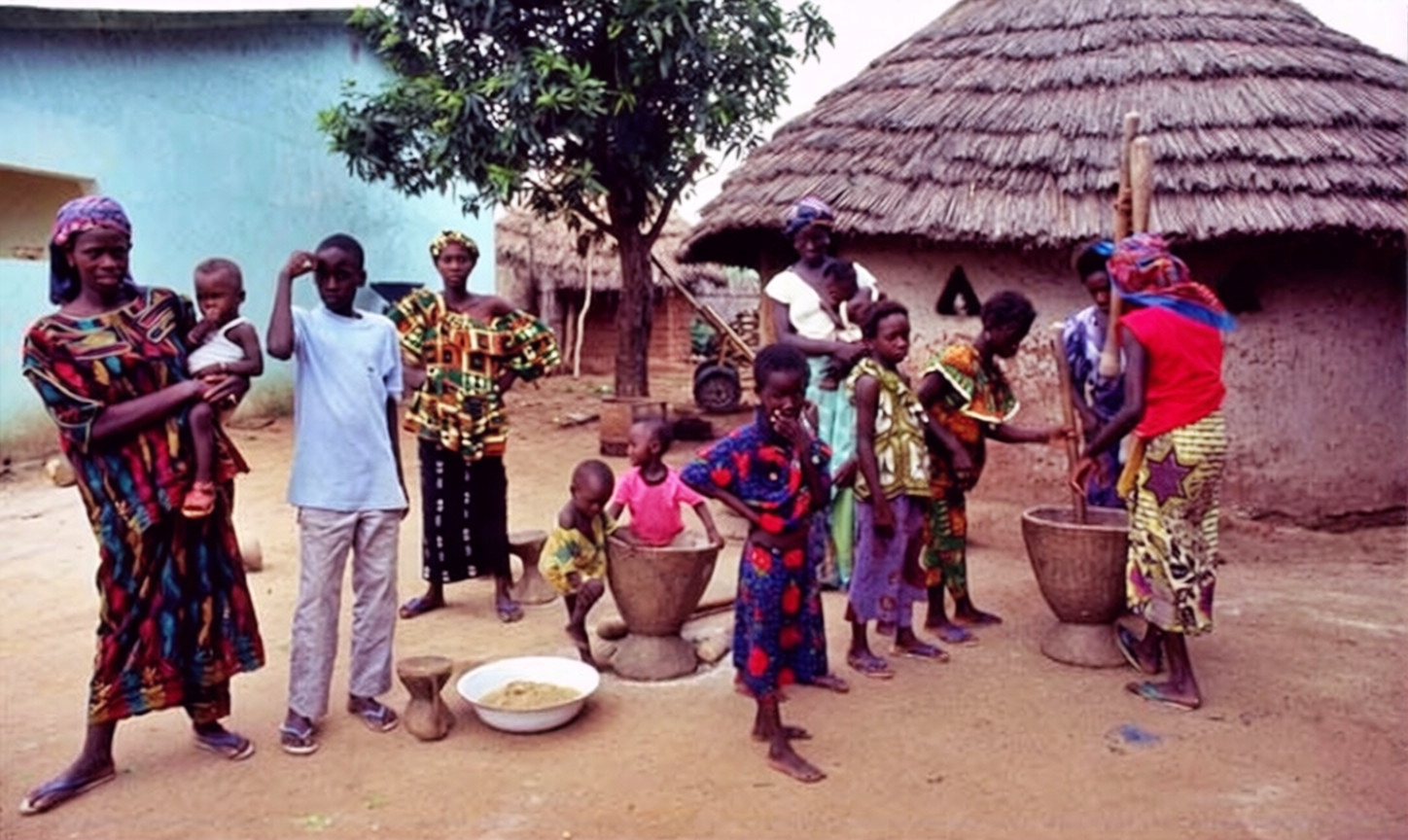
In The Gambia, long before formal institutions, welfare systems, or modern social protections took shape, family was the first and most reliable safety net.
It was within the family that values were nurtured, responsibilities shared, and resilience built over time. This tradition, deeply embedded in our social fabric, sustained generations and formed the moral foundation upon which communities endured hardship, loss, and uncertainty.
Nowhere was this more evident than in Banjul, where extended families lived not merely as relatives but as interdependent units bound by obligation, respect, and mutual care.
Support was not announced or negotiated; it was assumed. A child’s education became a collective concern. Illness was shared. Bereavement was never carried alone.
This truth revealed itself again recently with the passing of my aunt-in-law, Mary Emelia Fye—Mam Kuchu to many. Her life was one of dignity, public service, and personal grace. It was in her passing that the deeper strength of our traditions became visible.
As is customary in our society, family members, neighbors, colleagues, and friends gathered instinctively, not for display, but out of duty. Presence replaced words.
Practical help flowed naturally. Grief, though deeply personal, was softened by collective care. May her soul rest in peace, and may her memory remain a blessing to all who knew her.
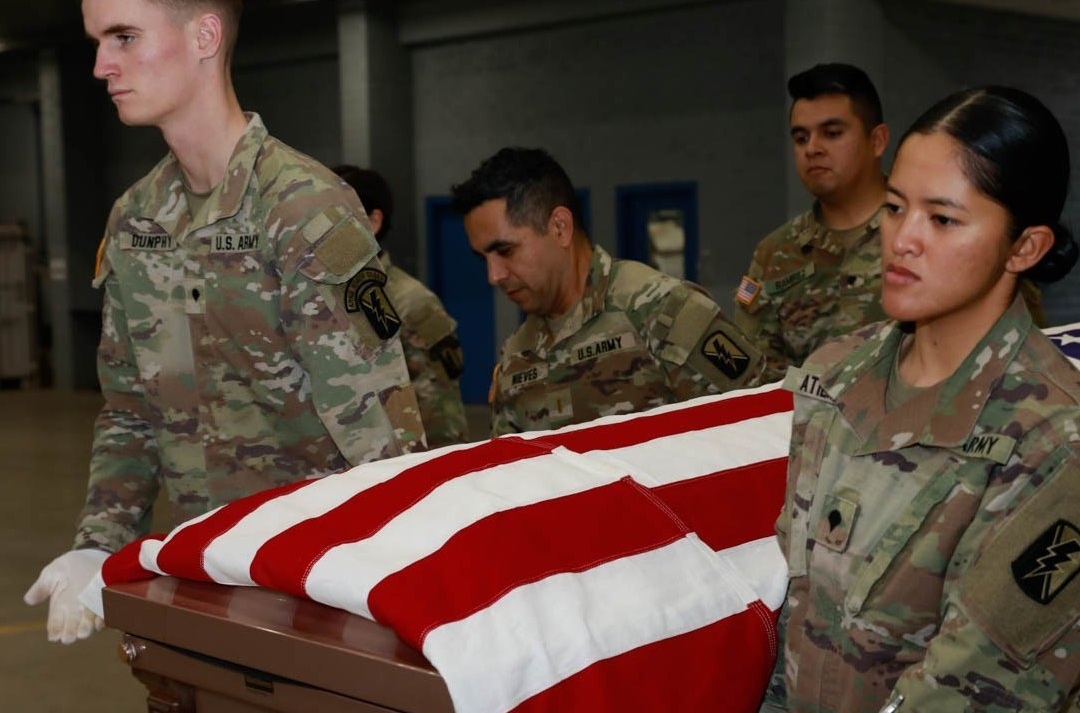
Moments such as these remind us that while death humbles the individual, it also summons the community. Loss does not isolate us; it gathers us. It calls forth the bonds that sustain families and steady lives long after formal systems fall silent.
In Banjul especially, this ethic was once a defining feature of daily life. The closeness of its communities, shared histories, and sense of collective responsibility created an environment where people looked out for one another as a matter of principle.
Elders guided the young. Siblings supported one another. Family bonds extended beyond convenience or circumstance. These values were not romantic ideals but daily practices that shaped character and reinforced social responsibility.
It is within this broader cultural context that I reflect on the enduring value of family support in my own life. I have been reminded of this through the steady presence of a sibling, Dr. Codu Mbassy Njie, whose support reflects the very values that once defined family life in Banjul.
Her assistance, offered without display or expectation, embodies the principle that family support is not about recognition but responsibility.
Acknowledging one individual does not diminish the role of others. I owe words of gratitude to my entire family, young and old, for the support they have provided over the years in ways both visible and unseen.
Families give differently and at different times—some through material help, others through emotional strength, wise counsel, prayer, or simply presence. All are valuable. What matters is not the form support takes, but the constancy of care and the shared understanding that no one walks alone.
What distinguishes such support is not visibility but reliability. It does not announce itself; it shows up consistently and faithfully—through a visit, a phone call, shared responsibility, or silent reassurance. In moments of professional pressure, personal loss, or quiet doubt, it is often this constancy that sustains balance and resolve.
As society continues to evolve, there is a risk that such values may gradually erode under economic pressure, migration, and changing lifestyles.
Yet they remain as relevant today as ever. In an era marked by uncertainty and frequent reminders of life’s fragility, the strength of family support remains one of the most powerful stabilizing forces we possess.
This reflection, like the one before it, is therefore not merely personal. It is a reminder of a national ethos worth preserving. Behind every life of service, every moment of endurance, and every dignified farewell stand families and communities who support faithfully, without display or expectation.
One day, the reminder will indeed be us. When that day comes, it will not be titles or achievements that matter most, but the bonds we honored, the burdens we shared, and the strength we offered to others.