





Gambiaj.com – (KAMPALA, Uganda) – Ugandans went to the polls on Thursday, January 15, to elect a president and members of parliament in a highly anticipated and tense vote marked by an ongoing internet blackout, technical failures at polling stations, and warnings from the United Nations over the repression of dissenting voices.
The election pits incumbent President Yoweri Museveni, who has been in power for nearly four decades, against his main challenger, opposition leader Bobi Wine, in what has been widely described as one of the most closely watched contests in the country’s recent history.
Voting was disrupted in several areas, particularly in the capital Kampala, due to malfunctions in biometric voter verification machines.
The failures caused significant delays at polling stations and forced election officials to revert to manual voting using paper registers. The opposition has warned that the technical problems could form the basis for challenging the credibility of the process.
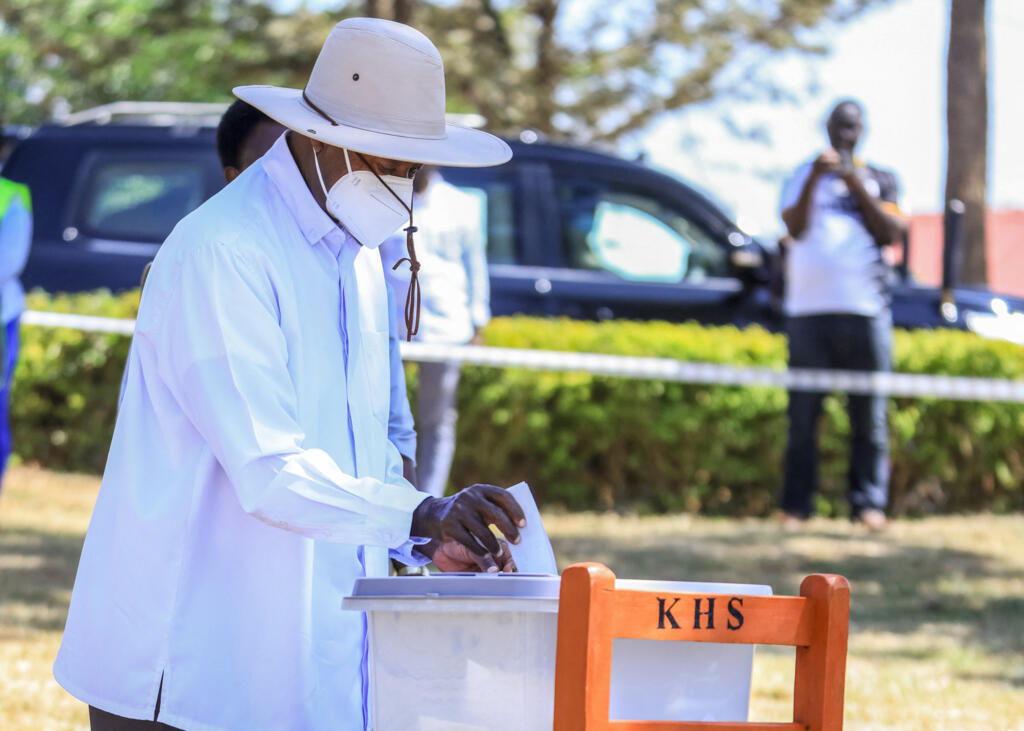
President Museveni himself encountered difficulties when he voted in his home village of Rwakitura. According to his account, the biometric machine initially failed to recognize his fingerprints before eventually identifying him through facial recognition.
“Was it deliberate? We are going to verify,” Museveni said. “The Electoral Commission proposed—and I supported that decision—that people should vote manually, because it was not normal for voters to return home without voting.”
Polling officials confirmed that the problem was widespread. Lovinza Nabada, an election officer at a polling station in Kampala, said voting could not start on time because the machines were not functioning.
“We cannot begin voting; the machines are not operational. And it is not only here—this is happening everywhere,” she explained.
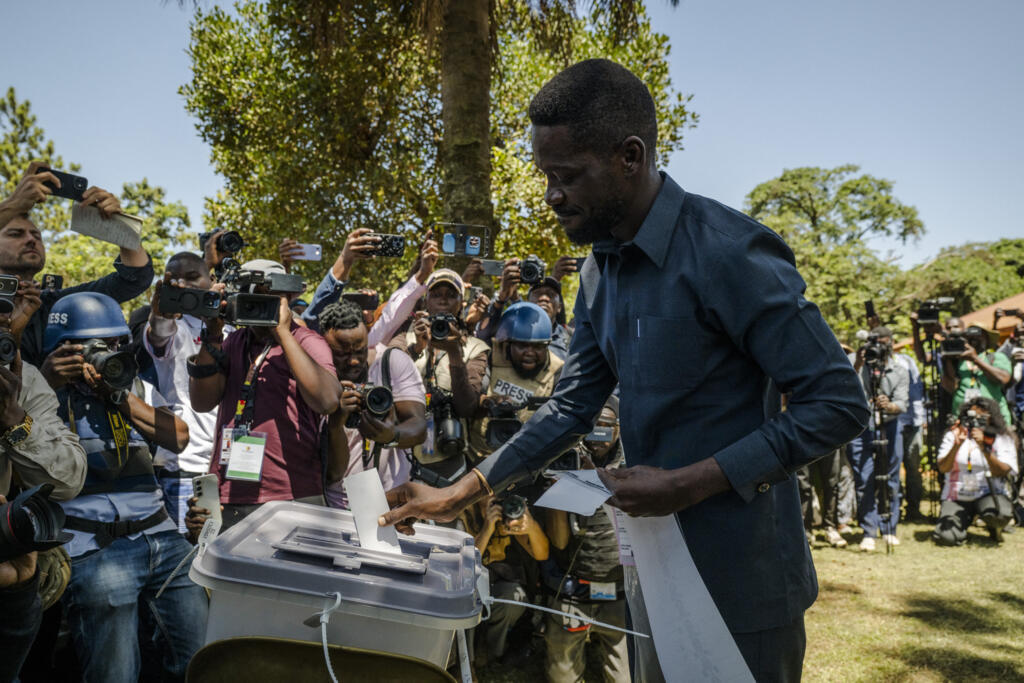
Opposition leader Bobi Wine, whose real name is Robert Kyagulanyi Ssentamu, voted in Kyadondo in Wakiso District and sharply criticized the failures, arguing that vast sums of public money had been spent on the biometric system under the pretext of preventing fraud.
“These biometric machines, for which billions were spent—supposedly to stop rigging—have largely stopped working,” he said. Despite the disruptions, Bobi Wine urged citizens to remain near polling stations, observe the process, and document events where possible.
Bobi Wine accused the authorities of exploiting the technical breakdowns to influence the outcome of the election and claimed that several of his polling agents had been arrested or blocked from monitoring the vote.
With the country still cut off from the internet and tensions high, the opposition has already raised the possibility of seeking legal redress if the final results, in its view, do not reflect “the will of the people.”