






Gambiaj.com – (BANJUL, The Gambia) – Two faculty members from the University of Maryland School of Medicine (UMSOM) are being credited with helping The Gambia strengthen protections for frontline health workers through the country’s first National Occupational Health and Safety Policy for Healthcare Workers.
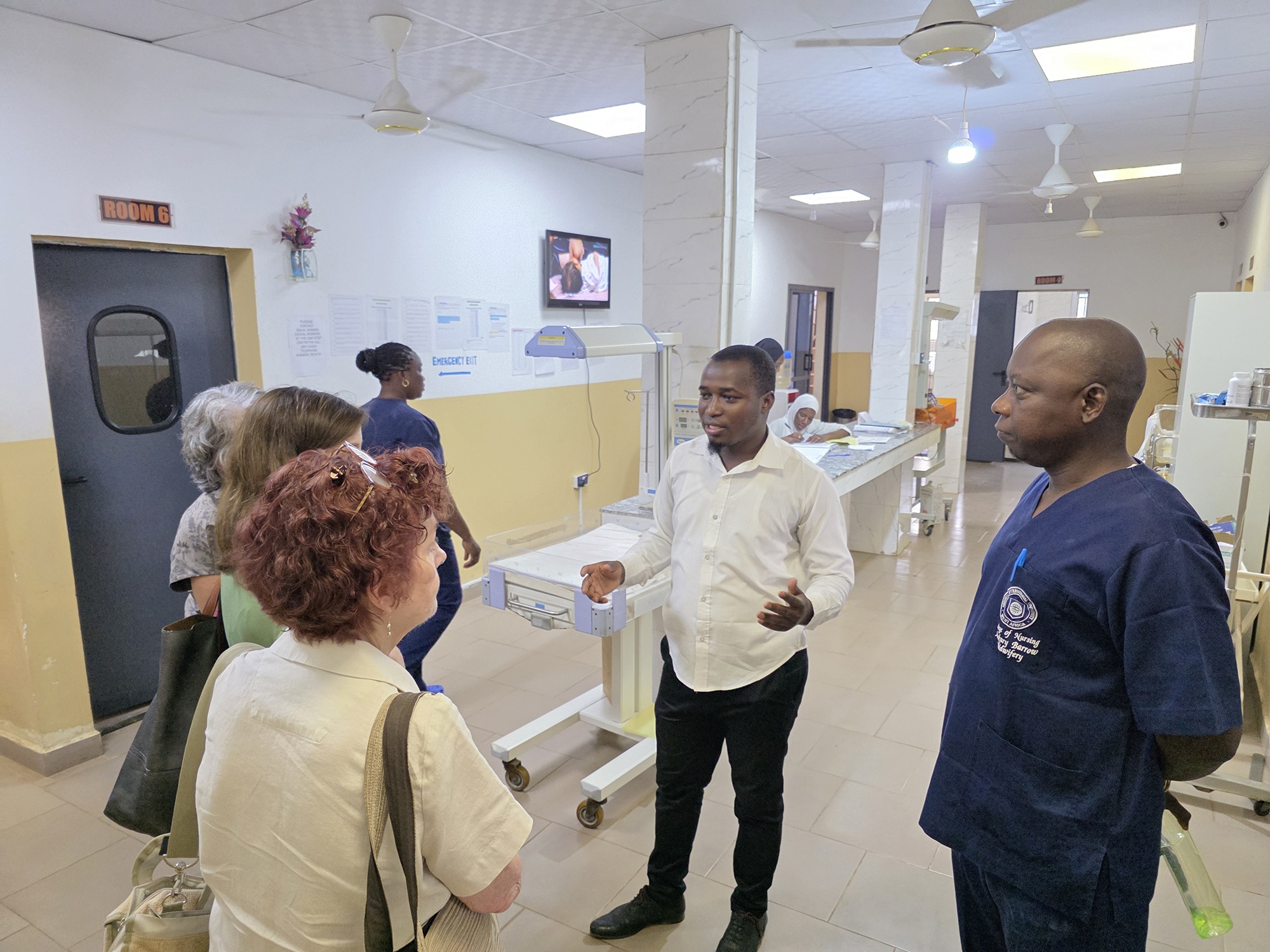
Melissa McDiarmid, MD, MPH, DABT, and Joanna Gaitens, PhD, MSN, MPH, RN, experts in occupational and environmental medicine, partnered with The Gambia’s Ministry of Health and the University of The Gambia to address longstanding risks facing health workers, including bloodborne hazards, airborne infections, and unsafe medical waste management.
Their collaboration, supported by the University of Maryland, Baltimore (UMB) President’s Global Impact Fund, culminated in the validation of the national policy in 2020.
McDiarmid said the effort succeeded because it was driven by local priorities. “We worked side by side with Gambian colleagues to build strategies rooted in their laws and health system realities,” she noted.
The two scholars lead UMSOM’s WHO/PAHO Collaborating Center in Occupational Health, bringing global expertise informed by past projects involving infectious disease response and workforce safety.
Their work in The Gambia also provides learning opportunities for Maryland students, who participate in fieldwork and return with deeper insight into global health systems.The Gambian project is expected to yield long-term benefits not only for The Gambia but also for Maryland.
Students engaged through UMB’s global health programs gain exposure to international policy development, health workforce protection strategies, and the dynamics of working in resource-constrained settings. These experiences, McDiarmid says, strengthen the competencies they bring back to Maryland’s health institutions.
UMB officials say the project reflects the university’s commitment to long-term, respectful global partnerships. McDiarmid emphasized that its most important outcome is the protection now available to Gambian health workers. “When health workers are safe, patients are safe,” she said.