

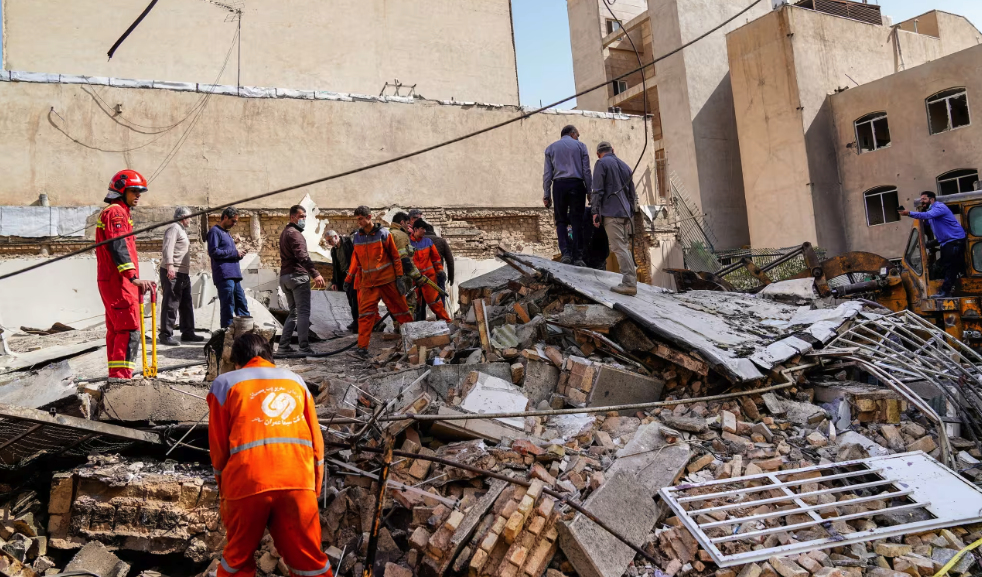

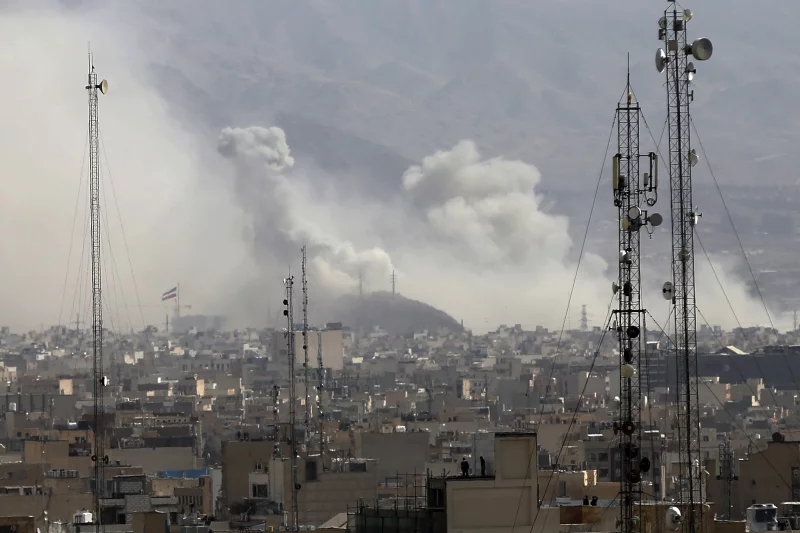
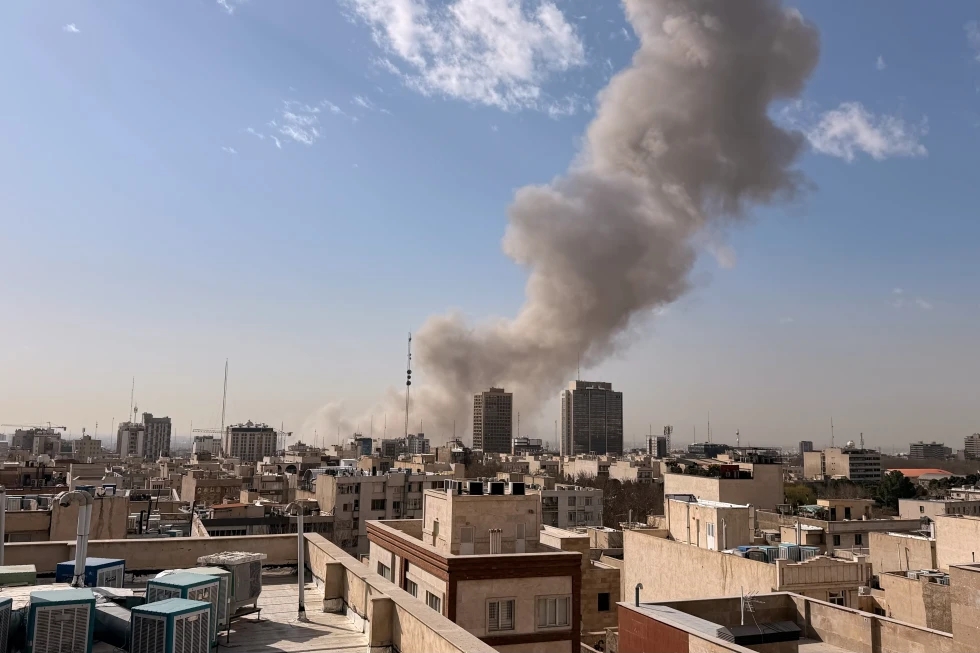
Gambiaj.com – (BRUSSELS, Belgium) – World leaders reacted cautiously on Saturday after the United States and Israel launched coordinated strikes on Iran, triggering fears of a wider regional conflict and deepening global divisions over the use of force.
While Washington’s traditional allies stopped short of endorsing the military action, they called for restraint and a return to diplomacy. In contrast, Russia and China issued sharp condemnations, accusing the United States and Israel of violating international norms and escalating tensions.
European Allies Walk a Diplomatic Tightrope
Leaders of Britain, France, and Germany convened emergency meetings and emphasized the need for a negotiated settlement over Iran’s nuclear program.
In a joint statement, British Prime Minister Keir Starmer, French President Emmanuel Macron, and German Chancellor Friedrich Merz made clear their countries did not participate in the strikes, though they remain in close contact with Washington, Tel Aviv, and regional partners.
The three leaders condemned Iranian attacks in the region and urged Tehran to refrain from indiscriminate military action. However, they notably avoided directly endorsing the U.S.-Israeli strikes. Instead, they called for a resumption of U.S.-Iran nuclear negotiations, reiterating that a diplomatic pathway remains the preferred solution.
The strikes place European capitals in a difficult position. While firmly opposed to Iran’s nuclear ambitions and critical of its hard-line theocratic leadership, they have long expressed discomfort with unilateral military action by President Donald Trump that could breach international law and ignite a broader war.
Earlier precedents, including U.S. strikes on Iran last June and Washington’s role in the arrest of Venezuela’s Nicolas Maduro, similarly tested transatlantic unity.
Limited Backing from Australia and Canada
Outside Europe, support for the strikes was more explicit.
Australian Prime Minister Anthony Albanese said Australia backs U.S. efforts to prevent Iran from obtaining a nuclear weapon. He described Iran’s leadership as a destabilizing force and referenced two attacks on Australian soil that Canberra attributed to Tehran. Diplomatic ties between Australia and Iran were severed in August after those incidents.
In Canada, Prime Minister Mark Carney expressed support despite recent strains in U.S.-Canada relations. He characterized the Islamic Republic as a principal source of instability and terror across the Middle East.
Russia and China Denounce ‘Armed Aggression’
The most forceful reactions came from Moscow and Beijing.
Russia’s Foreign Ministry described the strikes as “a pre-planned and unprovoked act of armed aggression against a sovereign and independent U.N. member state.” It accused Washington and Tel Aviv of using concerns over Iran’s nuclear program as a pretext for regime change.
China said it was “highly concerned” and called for an immediate halt to military operations. Beijing stressed that Iran’s sovereignty, security, and territorial integrity must be respected and urged all sides to return to negotiations.
The contrasting responses underscore widening geopolitical fault lines, with Russia and China positioning themselves as defenders of state sovereignty against what they portray as Western interventionism.
Fear of a ‘New, Extensive’ War
Uncertainty over whether allies received advance warning of the attacks further complicated the diplomatic landscape. Germany said it was informed only Saturday morning, while France indicated it had prior knowledge that action was imminent but lacked specifics.
President Macron called for an emergency meeting of the U.N. Security Council, warning that open conflict among the United States, Israel, and Iran would have grave consequences for global peace and security.
Prime Minister Starmer chaired an emergency session of Britain’s crisis committee, stressing that London does not want further escalation into a wider regional war. Germany’s crisis management team was also scheduled to meet.
NATO said it is closely monitoring developments.
European Union leaders, including Commission President Ursula von der Leyen and European Council President António Costa, called the situation “perilous” and urged maximum restraint, protection of civilians, and full respect for international law.
Norwegian Foreign Minister Espen Barth Eide warned that the collapse of U.S.-Iran negotiations could trigger a “new, extensive war in the Middle East.”
Global Condemnations Mount
Beyond the major powers, criticism continued to mount.
The Nobel Peace Prize-winning International Campaign to Abolish Nuclear Weapons condemned the strikes as “totally irresponsible,” warning they risk accelerating nuclear proliferation and increasing the danger of nuclear weapons use.
Malaysian Prime Minister Anwar Ibrahim described the escalating conflict as pushing the Middle East to the “edge of catastrophe,” while Pakistan’s Foreign Minister Ishaq Dar denounced what he termed “unwarranted attacks” in a call with his Iranian counterpart.
As diplomatic channels scramble to contain the fallout, the strikes have exposed a fractured international response: cautious and conflicted among U.S. allies, openly condemnatory from Russia and China, and universally anxious about the specter of a broader Middle Eastern war.